##How to Lower Cholesterol: A Comprehensive Guide
Cholesterol is a waxy, fat-like substance found in every cell of the body. It is essential for the production of hormones, vitamin D, and bile acids that help digest fats. However, when cholesterol levels become too high—particularly low-density lipoprotein (LDL), commonly known as “bad cholesterol”—it can build up in the walls of arteries and increase the risk of heart disease, stroke, and other cardiovascular problems.
How to Lower Cholesterol: A Comprehensive Guide
High cholesterol is a global health concern, affecting millions of people each year. The good news is that it is largely preventable and reversible through lifestyle changes, diet, and, if necessary, medication. This essay explores the causes of high cholesterol, its effects on the body, and practical strategies for lowering it naturally and medically.
How to Lower Cholesterol: A Comprehensive Guide to a Healthier Heart…
1.Understanding Cholesterol
Before learning how to lower cholesterol, it’s important to understand the two main types of cholesterol:
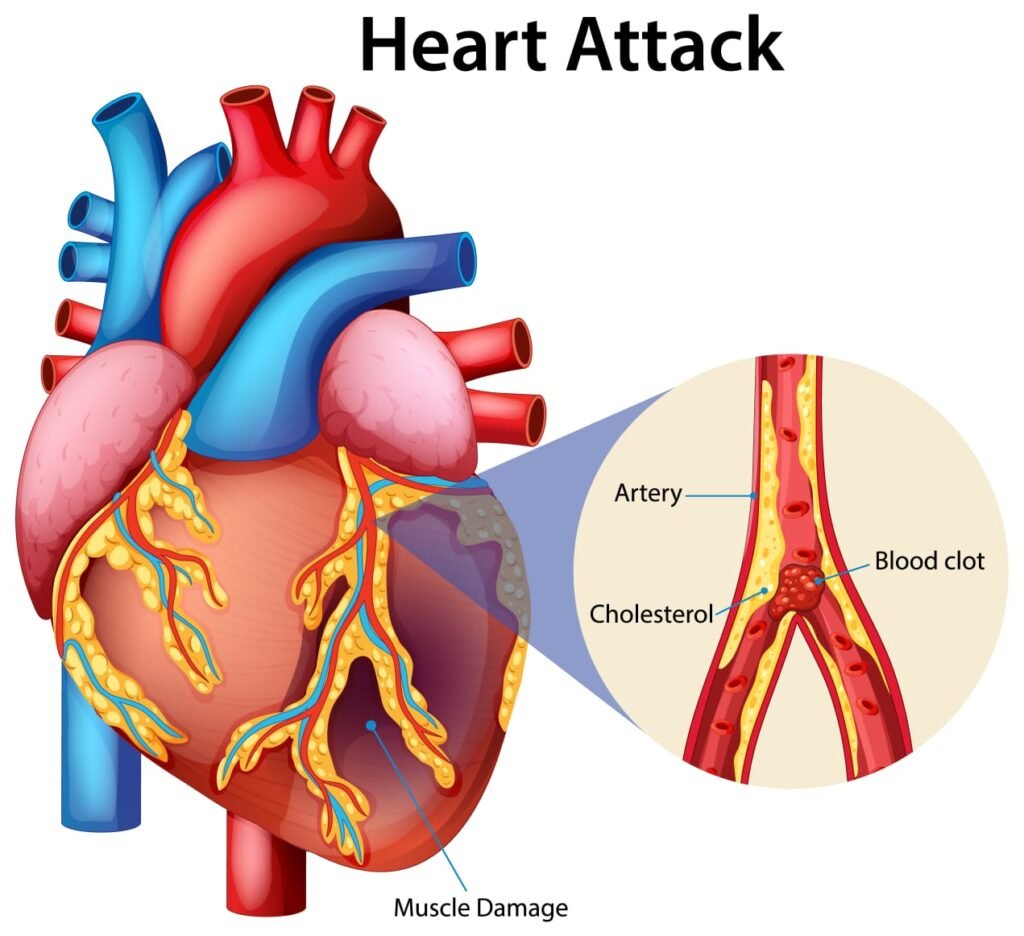
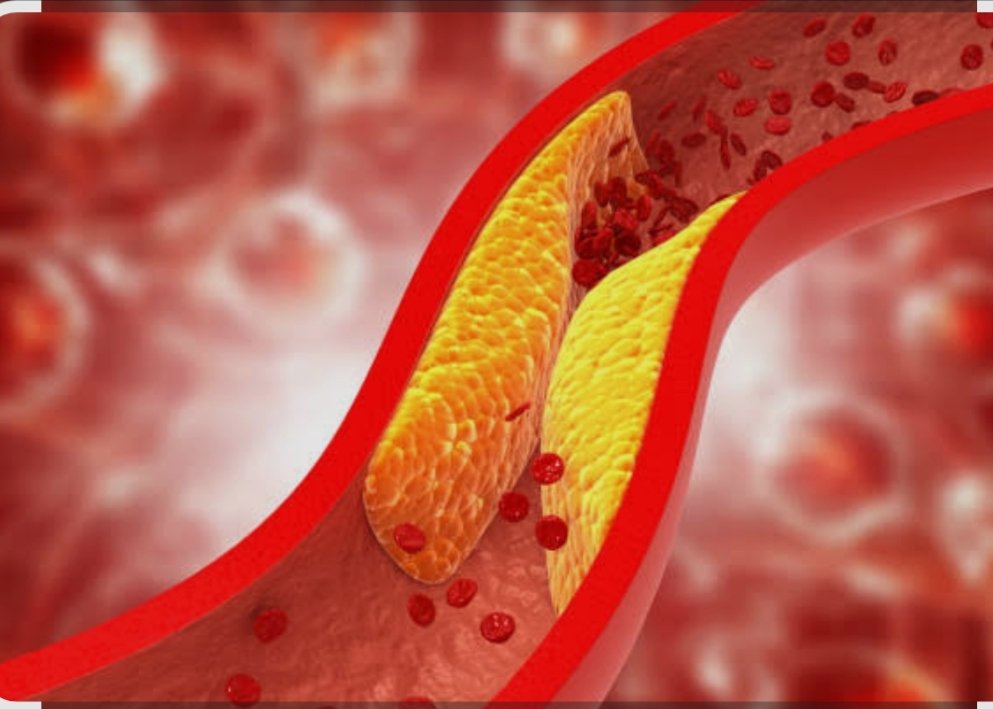
- Low-Density Lipoprotein (LDL) – Known as “bad” cholesterol, LDL carries cholesterol to the arteries, where it can accumulate and form plaques. These plaques narrow the arteries and make them less flexible—a condition known as atherosclerosis—which increases the risk of heart attack and stroke.
- High-Density Lipoprotein (HDL) – Often called “good” cholesterol, HDL helps transport excess cholesterol back to the liver for removal from the body. Higher HDL levels are associated with a lower risk of heart disease.
Triglycerides, another type of fat found in the blood, also contribute to cardiovascular health. High triglycerides combined with low HDL or high LDL raise the risk of plaque buildup in the arteries.
How to Lower Cholesterol: A Comprehensive Guide to a Healthier Heart….
2.Causes of High Cholesterol
Several factors can lead to elevated cholesterol levels:
How to Lower Cholesterol: A Comprehensive Guide
- Poor Diet: Consuming foods high in saturated fats, trans fats, and cholesterol—such as red meat, full-fat dairy products, and processed snacks—raises LDL levels.
- Lack of Physical Activity: A sedentary lifestyle can lead to weight gain and higher LDL while lowering HDL.
- Obesity: Excess body fat, especially around the abdomen, increases cholesterol and triglycerides.
- Smoking: Cigarette smoking damages blood vessels and lowers HDL levels.
- Alcohol Consumption: Excessive drinking raises triglycerides and can contribute to fatty liver disease.
- Genetics: Some people inherit a condition called familial hypercholesterolemia, which causes extremely high cholesterol levels regardless of lifestyle.
- Age and Gender: Cholesterol levels tend to rise with age, and men are more likely than women to develop high cholesterol early in life.
The Dangers of High Cholesterol
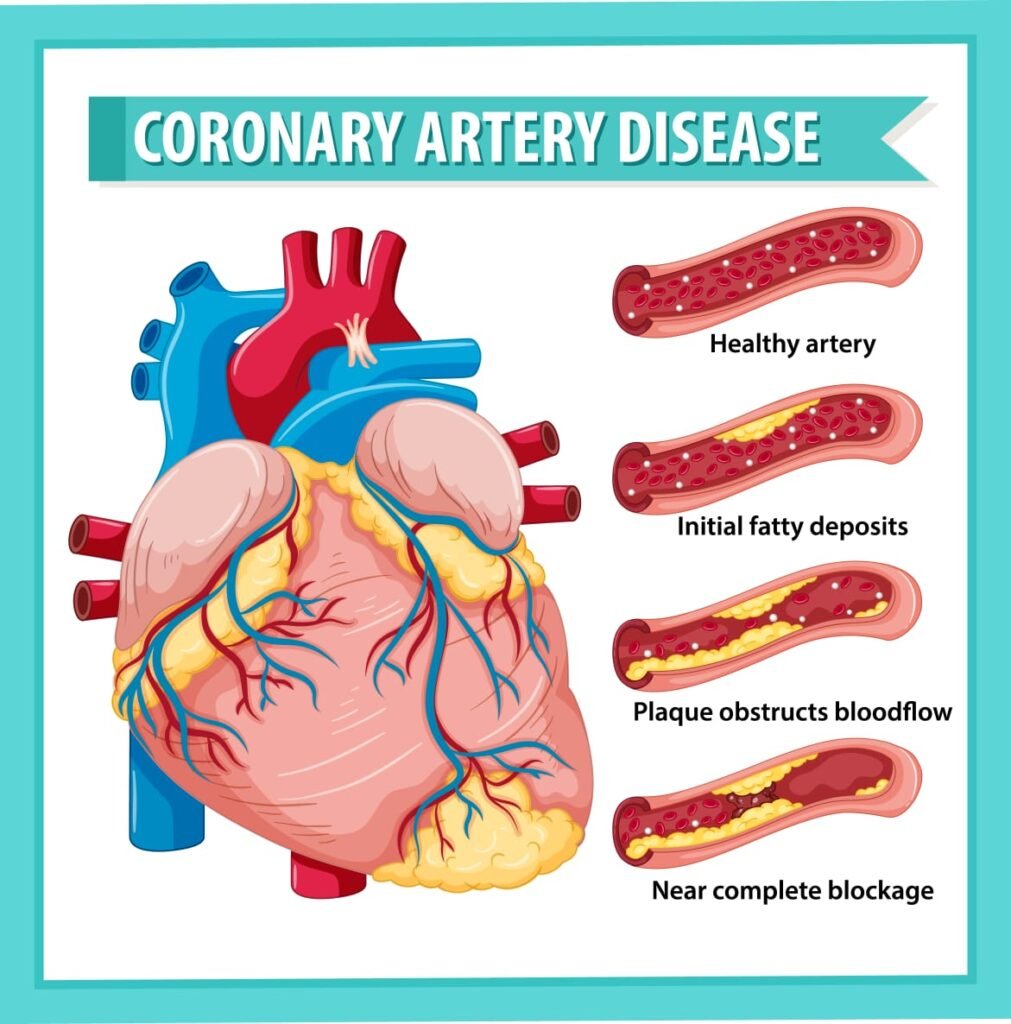
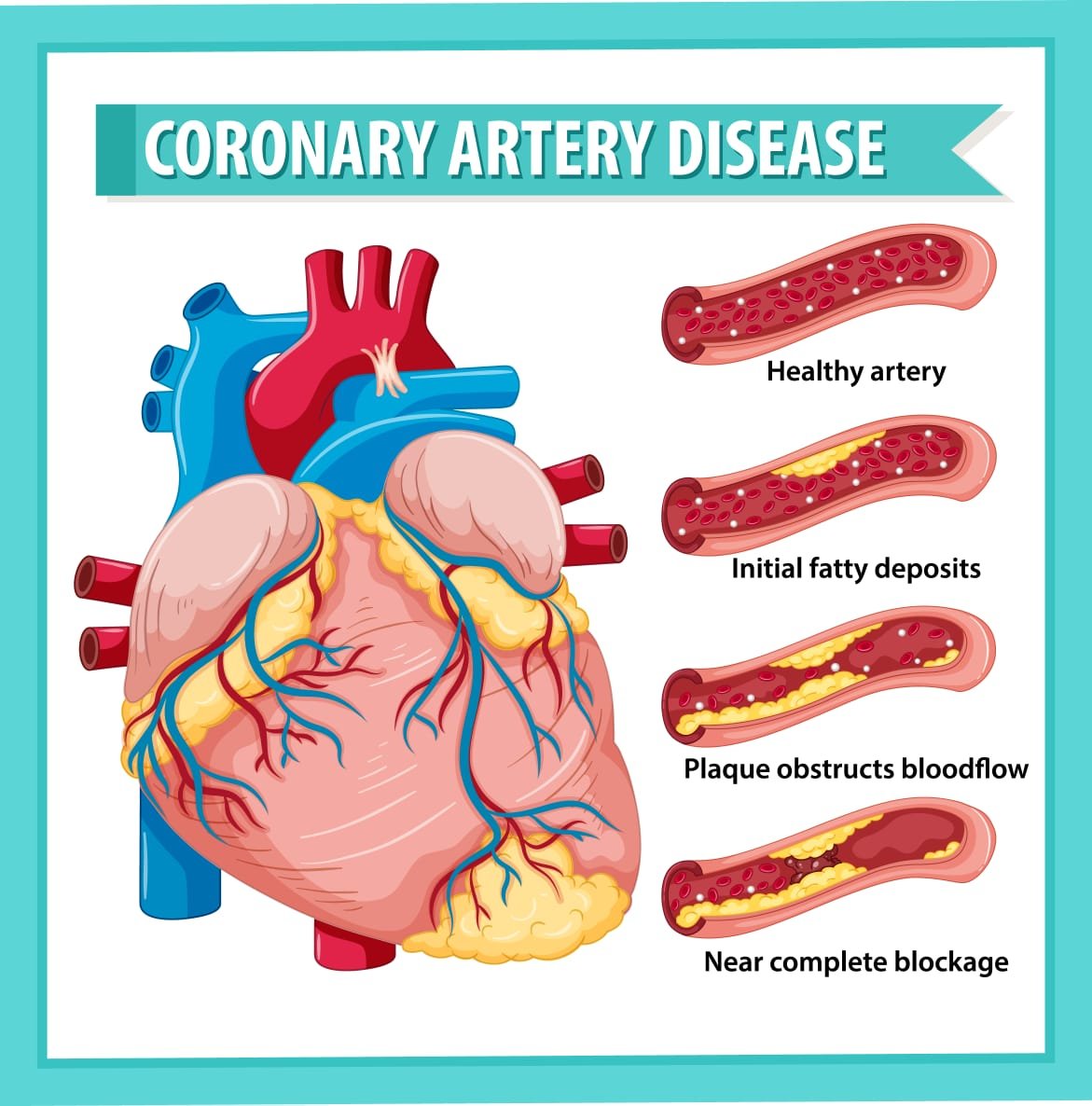
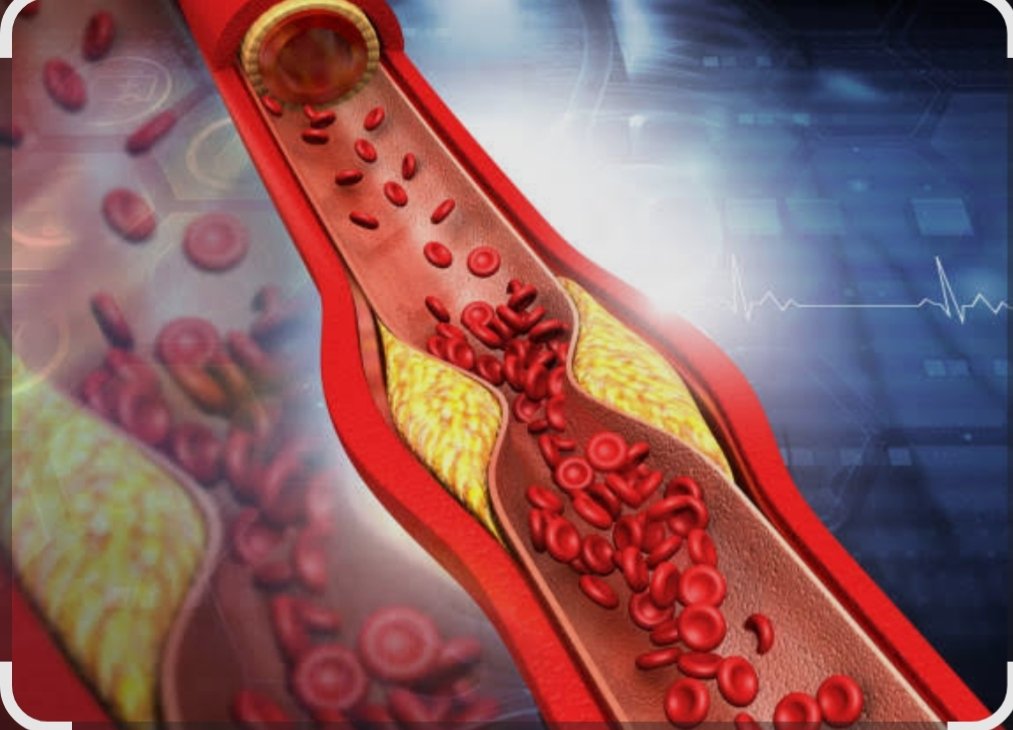
High cholesterol is often referred to as a “silent killer” because it doesn’t usually cause symptoms until serious complications arise. Over time, cholesterol deposits can form plaques inside arteries, narrowing them and restricting blood flow. This process, called atherosclerosis, can lead to:
How to Lower Cholesterol: A Comprehensive Guide
- Coronary artery disease (CAD): Narrowing of the arteries that supply blood to the heart.
- Heart attack: Occurs when a plaque ruptures and blocks blood flow to part of the heart.
- Stroke: Caused by blocked blood flow to the brain.
- Peripheral artery disease (PAD): Reduced circulation in the limbs.
- High blood pressure: Resulting from stiffened and narrowed arteries.
Managing cholesterol levels is, therefore, a crucial step toward preventing life-threatening cardiovascular conditions.
How to Lower Cholesterol: A Comprehensive Guide to a Healthier Heart….
Natural Ways to Lower Cholesterol
1. Adopt a Heart-Healthy Diet
Diet plays the most significant role in managing cholesterol. Several dietary changes can dramatically reduce LDL and increase HDL.
How to Lower Cholesterol: A Comprehensive Guide
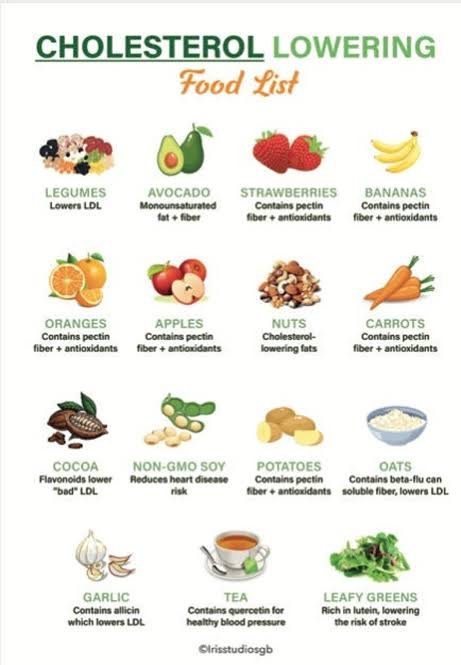
- Increase Soluble Fiber Intake: Foods like oats, beans, lentils, apples, and citrus fruits contain soluble fiber, which binds to cholesterol in the digestive tract and helps eliminate it from the body.
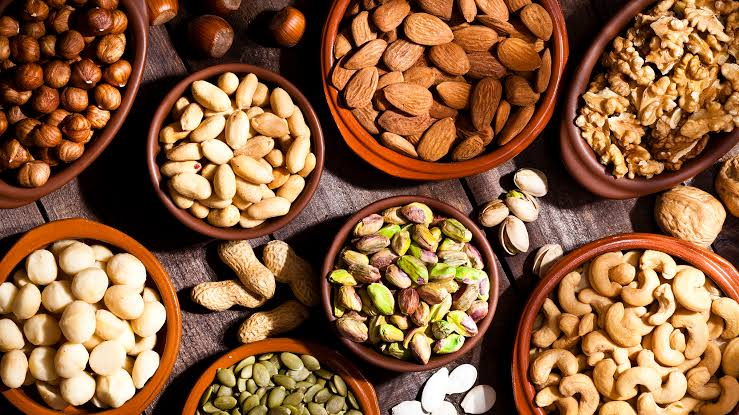
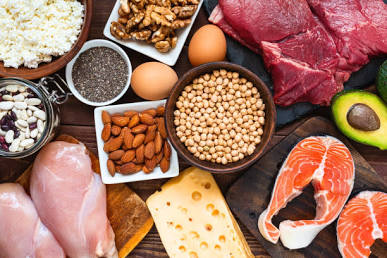
Example: Eating one bowl of oatmeal daily can lower LDL by up to 5%. - Choose Healthy Fats: Replace saturated fats (found in butter, fatty meats, and cheese) with unsaturated fats from olive oil, avocados, nuts, and fatty fish like salmon or mackerel.
- Avoid Trans Fats: These are found in processed and fried foods. Trans fats not only raise LDL but also lower HDL.
- Eat More Plant Sterols and Stanols: These naturally occurring compounds found in nuts, seeds, and fortified foods help block cholesterol absorption.
- Include Omega-3 Fatty Acids: Found in fish, chia seeds, and flaxseeds, omega-3s don’t directly lower LDL but help lower triglycerides and improve heart health.
- Limit Added Sugars and Refined Carbohydrates: Excess sugar can raise triglycerides and reduce HDL levels.
2. Maintain a Healthy Weight
Even modest weight loss—5% to 10% of body weight—can significantly lower LDL and triglyceride levels. Weight loss improves how the body processes cholesterol and fats, helping to maintain healthy arteries.
3. Exercise Regularly
Physical activity raises HDL cholesterol and helps control LDL and triglycerides. The American Heart Association recommends:
- 150 minutes of moderate exercise per week, such as brisk walking, swimming, or cycling, or
- 75 minutes of vigorous exercise, like running or aerobics.
Regular exercise also helps control blood pressure and maintain a healthy weight.
4. Quit Smoking
How to Lower Cholesterol: A Comprehensive Guide
Smoking lowers HDL cholesterol and damages the walls of blood vessels, making it easier for cholesterol to build up. Quitting smoking improves HDL levels and rapidly reduces the risk of heart disease.
5. Limit Alcohol Consumption
While moderate alcohol use can raise HDL, excessive drinking raises triglycerides and contributes to high blood pressure. The general recommendation is up to one drink per day for women and two for men.
6. Manage Stress
Chronic stress can indirectly affect cholesterol by encouraging poor eating habits and increasing blood pressure. Techniques such as meditation, yoga, deep breathing, or regular relaxation can improve overall cardiovascular health.
Medical Treatment for High Cholesterol
When lifestyle changes aren’t enough, doctors may prescribe medication to help lower cholesterol. Common options include:
How to Lower Cholesterol: A Comprehensive Guide
- Statins: These are the most widely used drugs for lowering LDL cholesterol. They work by blocking an enzyme the liver uses to make cholesterol.
- Examples: Atorvastatin, Simvastatin, Rosuvastatin.
- Benefits: Proven to reduce the risk of heart attack and stroke.
- Ezetimibe: Lowers cholesterol by preventing its absorption from the digestive tract.
- PCSK9 Inhibitors: Injectable drugs that dramatically lower LDL levels for people with genetic cholesterol disorders or who cannot tolerate statins.
- Bile Acid Sequestrants: Bind bile acids in the intestine, forcing the body to use cholesterol to produce more bile.
- Fibrates and Niacin: Used to lower triglycerides and sometimes increase HDL, although they are less common today due to side effects.
Medication should always be combined with lifestyle changes for the best long-term results.
4.Monitoring Cholesterol Levels
Routine cholesterol testing is essential for prevention and management. A lipid panel measures total cholesterol, LDL, HDL, and triglycerides. General guidelines are:
- Total cholesterol: Less than 200 mg/dL
- LDL cholesterol: Less than 100 mg/dL (optimal)
- HDL cholesterol: 60 mg/dL or higher (protective)
- Triglycerides: Less than 150 mg/dL
Adults over 20 should check their cholesterol every 4–6 years, though those with risk factors may need testing more often.
5.The Role of Genetics and Family History
Even with a healthy lifestyle, some individuals may still have high cholesterol due to familial hypercholesterolemia (FH), a hereditary condition caused by genetic mutations affecting cholesterol processing. People with FH often develop dangerously high LDL levels from a young age and are at greater risk of early heart disease.
How to Lower Cholesterol: A Comprehensive Guide
Early screening, medication, and lifestyle adjustments can help manage FH effectively. Family members should also be tested since the condition runs in families.
6.Integrative and Alternative Approaches
While medical treatments and diet are the foundation, some natural supplements and alternative therapies may support cholesterol management—though they should be used cautiously and under medical advice.
- Red Yeast Rice: Contains natural statin-like compounds that lower LDL, though purity and dosage vary by product.
- Garlic: May have mild cholesterol-lowering effects.
- Psyllium Husk: A fiber supplement that helps reduce cholesterol absorption.
- Green Tea Extract: Rich in antioxidants that can improve lipid metabolism.
Always consult a healthcare provider before using supplements, as they may interact with medications.
7.Long-Term Lifestyle Commitment
Lowering cholesterol isn’t about short-term fixes—it’s a lifelong commitment to healthier habits. Sustainable improvements come from consistency: eating whole foods, staying active, maintaining a healthy weight, and managing stress.
People who adopt heart-healthy lifestyles often experience not just lower cholesterol, but also improved energy, better blood sugar control, and reduced risk of other chronic diseases like diabetes and hypertension.
8.Conclusion
How to Lower Cholesterol: A Comprehensive Guide
High cholesterol is a major, yet controllable, risk factor for heart disease—the world’s leading cause of death. Understanding cholesterol, identifying personal risk factors, and making proactive lifestyle changes are key to prevention.
Through balanc
How to Lower Cholesterol: A Comprehensive Guide
ed nutrition, regular exercise, maintaining a healthy weight, quitting smoking, and, when needed, using medication, anyone can take control of their cholesterol levels. Lowering cholesterol isn’t just about numbers—it’s about protecting your heart, extending your lifespan, and enhancing your overall quality of life.