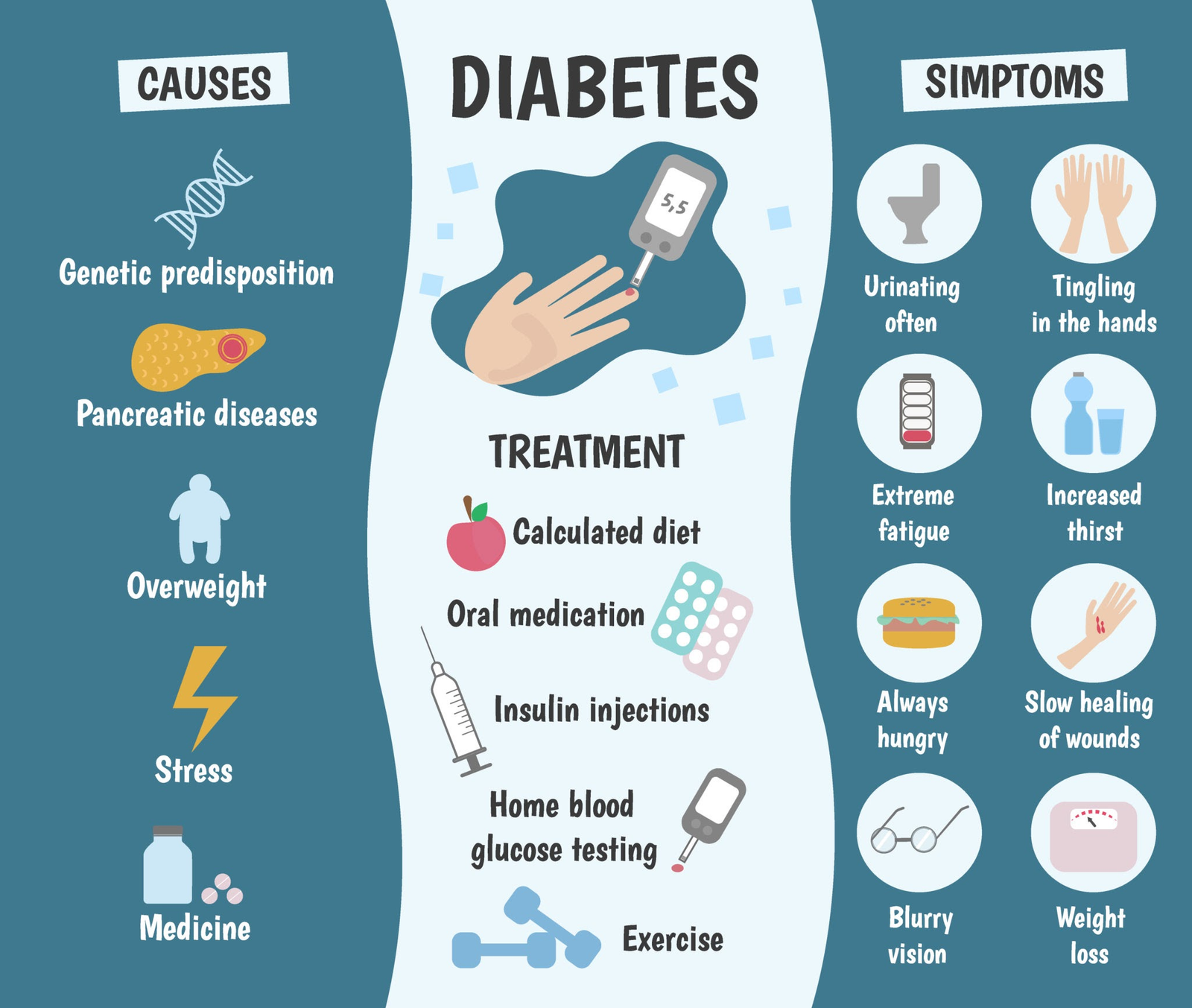
Diabetes is one of the most common chronic diseases in the world today, affecting hundreds of millions of people across all age groups. Despite being so prevalent, it often goes unnoticed until significant health complications arise. The early symptoms of diabetes can be subtle—so subtle that many individuals live with the condition for years without realizing it.
Understanding Diabetes: Recognizing the Symptoms
This article dives deep into the symptoms of diabetes, helping you understand how to recognize them, what they mean, and why early detection is crucial for maintaining a healthy, balanced life.
Understanding Diabetes: Recognizing the Symptoms Before It’s Too Late…..
What Is Diabetes?
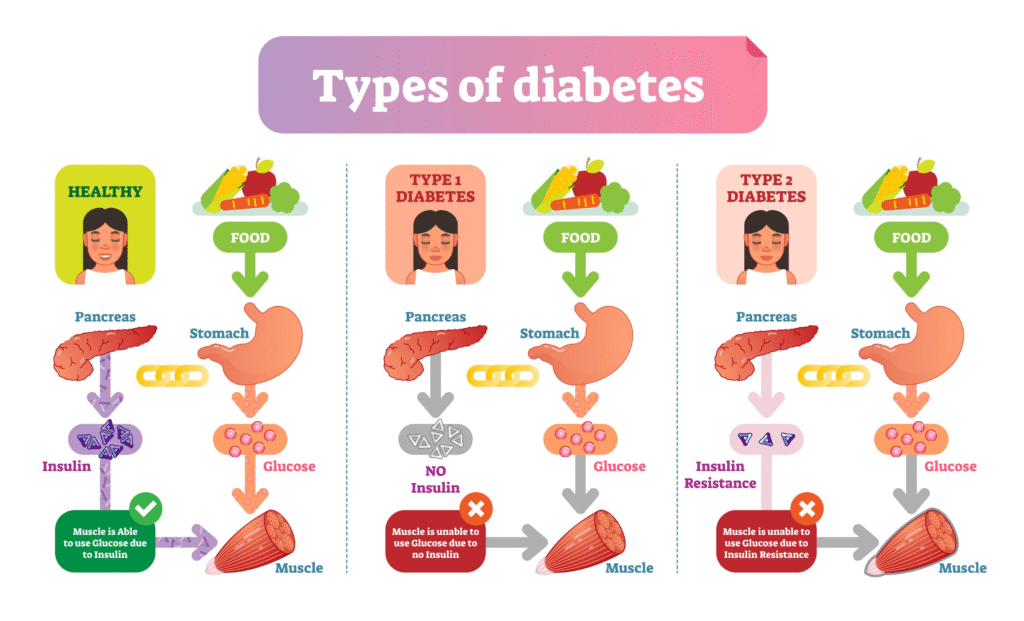
Diabetes mellitus is a metabolic disorder characterized by high levels of glucose (sugar) in the blood. Glucose is the body’s primary source of energy, and insulin—a hormone produced by the pancreas—helps cells absorb and use this glucose efficiently.
Understanding Diabetes: Recognizing the Symptoms
When the body either doesn’t produce enough insulin or cannot use it effectively, glucose builds up in the bloodstream instead of entering the cells. This sustained high blood sugar leads to the various complications associated with diabetes.
There are three main types of diabetes:
- Type 1 Diabetes: An autoimmune condition where the immune system attacks insulin-producing cells in the pancreas. It usually develops in childhood or adolescence, though adults can also be diagnosed.
- Type 2 Diabetes: The most common type, typically linked to insulin resistance. The body still produces insulin, but the cells do not respond properly to it. Lifestyle factors such as diet, physical inactivity, and obesity play major roles.
- Gestational Diabetes: A temporary form of diabetes that develops during pregnancy, which can increase the risk of developing type 2 diabetes later in life.
- Understanding Diabetes: Recognizing the Symptoms
Understanding the symptoms of diabetes is essential, regardless of the type, because early detection allows for prompt treatment and management—preventing serious complications like heart disease, kidney failure, and nerve damage.
Understanding Diabetes: Recognizing the Symptoms Before It’s Too Late….
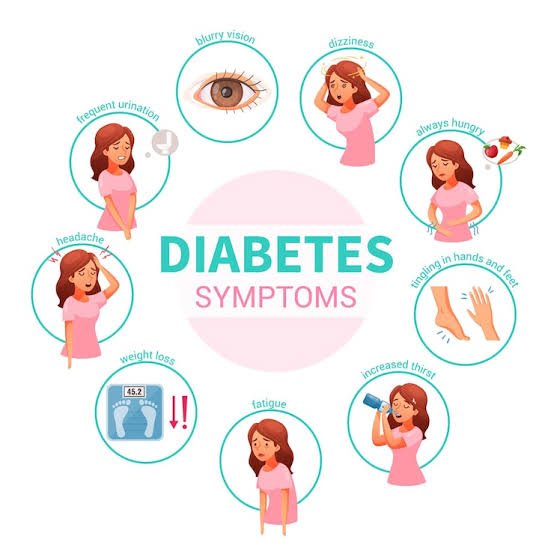
Common Symptoms of Diabetes
1. Frequent Urination (Polyuria)
One of the earliest signs of diabetes is the need to urinate more frequently, especially at night. When blood sugar levels are high, the kidneys work harder to filter and remove the excess glucose. This process pulls water from the body, leading to increased urination.
If you find yourself waking up multiple times during the night to use the bathroom, it may be worth checking your blood sugar levels.
Understanding Diabetes: Recognizing the Symptoms
2. Excessive Thirst (Polydipsia)
Frequent urination leads to dehydration, which triggers intense thirst. People with diabetes often experience constant dry mouth and drink more water than usual but still feel thirsty. This thirst is the body’s way of trying to replace the lost fluids due to increased urination.
Understanding Diabetes: Recognizing the Symptoms Before It’s Too Late….
3. Extreme Hunger (Polyphagia)
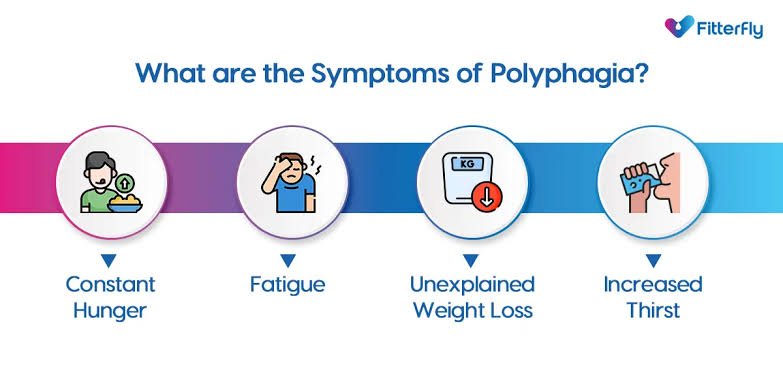
Despite eating regularly—or even more than usual—people with diabetes may still feel unusually hungry. This happens because, although glucose is available in the bloodstream, it cannot enter the cells to provide energy. As a result, the body sends hunger signals in an attempt to gain more fuel.
If you find yourself eating large meals but still feeling tired or hungry, it could be a red flag for diabetes.
4. Unexplained Weight Loss
Sudden, unintentional weight loss is another hallmark symptom—particularly of type 1 diabetes. When cells can’t access glucose for energy, the body starts breaking down fat and muscle to use as alternative fuel sources.
Understanding Diabetes: Recognizing the Symptoms
Even though you may be eating more, your body is essentially starving at the cellular level. Weight loss without trying, especially if accompanied by other symptoms, warrants immediate medical attention.
5. Fatigue and Weakness
High blood sugar prevents glucose from entering cells, leaving the body low on energy. This leads to persistent fatigue, weakness, and a general sense of sluggishness. Even after a full night’s rest, people with diabetes often feel exhausted because their cells are deprived of the fuel they need to function.
6. Blurred Vision
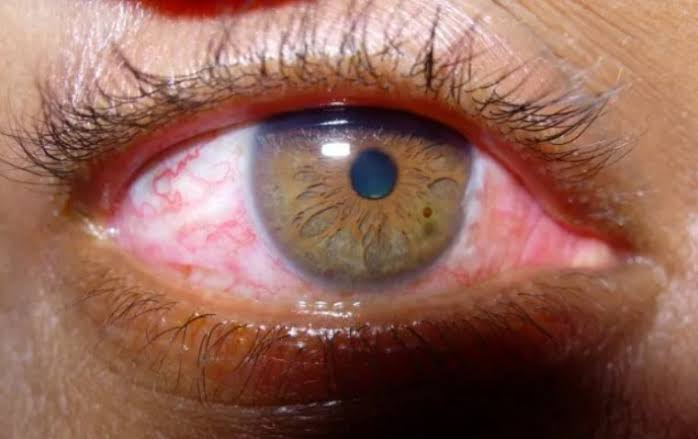
When blood sugar levels fluctuate, fluid can move in and out of the lenses of your eyes, causing them to swell and distort. This results in temporary blurred vision or difficulty focusing.
Understanding Diabetes: Recognizing the Symptoms
If left untreated, prolonged high blood sugar can damage the tiny blood vessels in the retina, leading to diabetic retinopathy—a leading cause of blindness in adults.
7. Slow Healing of Wounds
High glucose levels impair blood circulation and weaken the immune system, slowing down the healing process. Minor cuts, bruises, or infections may take longer to recover, increasing the risk of complications.
This symptom is especially concerning for people with type 2 diabetes, as it can lead to chronic ulcers or infections—particularly in the feet.
Understanding Diabetes: Recognizing the Symptoms
8. Tingling, Numbness, or Pain in the Hands and Feet
High blood sugar over time can damage the nerves, a condition known as diabetic neuropathy. This often starts with tingling, burning, or numbness in the extremities—especially the feet and toes.
Ignoring these symptoms can lead to severe nerve damage, infections, and even amputations. Early management can help slow progression and preserve nerve health.
9. Frequent Infections
Diabetes weakens the immune system, making the body more prone to infections. Common infections include skin infections, urinary tract infections (UTIs), and yeast infections (especially in women).
Yeast thrives on sugar, so high glucose levels create an ideal environment for its growth, leading to recurring fungal infections in the mouth, genitals, or skin folds.
10. Darkened Skin Patches (Acanthosis Nigricans)
Understanding Diabetes: Recognizing the Symptoms
Some people with insulin resistance develop dark, velvety patches of skin in body folds and creases—most commonly around the neck, armpits, and groin. This condition, called acanthosis nigricans, is often an early indicator of prediabetes or type 2 diabetes.
11. Mood Changes and Irritability
Unstable blood sugar levels can directly impact mood and mental clarity. Individuals may experience irritability, mood swings, or difficulty concentrating. In some cases, undiagnosed diabetes is even mistaken for depression or anxiety due to overlapping symptoms like fatigue and low motivation.
12. Recurrent Gum or Dental Problems
High blood sugar fosters bacterial growth in the mouth, leading to gum infections, tooth decay, and bad breath. Persistent gum inflammation (gingivitis) or loosening of teeth can sometimes be early indicators of diabetes, particularly in adults with no previous dental issues.
Recognizing Symptoms in Different Age Groups
Understanding Diabetes: Recognizing the Symptoms
While the symptoms of diabetes are generally similar, how they present can vary depending on age and type of diabetes.
Children and Adolescents
In younger individuals, type 1 diabetes symptoms can appear suddenly and progress rapidly. Parents should watch for signs like:
- Bedwetting after being dry at night
- Sudden weight loss
- Extreme thirst or hunger
- Fatigue and irritability
Early diagnosis is vital since untreated type 1 diabetes can lead to a life-threatening condition called diabetic ketoacidosis (DKA).
Adults
In adults, especially those with type 2 diabetes, symptoms develop more gradually. Many dismiss them as part of aging or stress. Common early signs include:
- Increased thirst and urination
- Blurred vision
- Slow wound healing
- Recurrent infections
Because the onset is slow, adults often go undiagnosed for years, which increases the risk of long-term complications.
During Pregnancy
Gestational diabetes often doesn’t cause noticeable symptoms, which is why screening during pregnancy is essential. However, some women may experience:
- Increased thirst
- Frequent urination
- Fatigue
- Nausea
If untreated, gestational diabetes can lead to high birth weight, premature delivery, or complications during childbirth.
When to See a Doctor
If you experience any combination of the symptoms above—especially excessive thirst, frequent urination, and unexplained fatigue—it’s important to see a healthcare provider. They can perform simple blood tests, such as:
- Fasting Blood Sugar (FBS)
- Oral Glucose Tolerance Test (OGTT)
- Hemoglobin A1C test
These tests measure your blood sugar levels and can help determine whether you have diabetes or are at risk (prediabetes).
Why Early Detection Matters
Catching diabetes early allows for effective management and the prevention of severe complications. Without treatment, chronically high blood sugar can lead to:
- Heart disease and stroke
- Kidney damage (nephropathy)
- Nerve damage (neuropathy)
- Vision loss (retinopathy)
- Foot ulcers and amputations
The good news? With lifestyle modifications, medication, and regular monitoring, diabetes can be controlled effectively—allowing individuals to live long, healthy lives.
Tips for Managing and Preventing Diabetes
Even if you’ve only been diagnosed with prediabetes or have risk factors, you can take steps to prevent or delay diabetes. These include:
- Eating a balanced diet: Focus on whole grains, lean proteins, healthy fats, and fiber-rich vegetables. Limit processed foods and sugary beverages.
- Exercising regularly: Aim for at least 150 minutes of moderate exercise per week, such as brisk walking or swimming.
- Maintaining a healthy weight: Even a small reduction in body weight (5–10%) can significantly lower your risk.
- Monitoring blood sugar: Regular testing helps you understand how your body responds to food and activity.
- Managing stress and sleep: Chronic stress and poor sleep can affect blood sugar control.
- Regular medical check-ups: Routine blood tests and physical exams help catch early warning signs before complications develop.
Final Thoughts
Diabetes may be common, but it’s not inevitable—and it’s certainly not unbeatable. Recognizing the symptoms early and taking proactive steps toward diagnosis and management can make a world of difference.
Whether you’ve noticed increased thirst, fatigue, or unexplained weight changes, don’t ignore what your body is telling you. A simple blood test could give you the answers you need—and help you take control of your health for the long term.