##BREAST CANCER AWARENESS: KNOWLEDGE,EARLY DETECTION,AND HOPE.
Breast cancer awarenss: knowledge,early detection,and hope.
Breast cancer continues to be one of the most prevalent health challenges for women worldwide. Despite decades of research and awareness campaigns, millions still face its emotional and physical impact every year. Yet, the message is one of hope — advances in early detection, treatment, and community support are saving more lives than ever before.
BREAST CANCER AWARENESS: KNOWLEDGE,EARLY DETECTION,AND HOPE.
In this comprehensive guide, we’ll explore what breast cancer is, its causes, signs, and the importance of awareness in ensuring better outcomes for all.
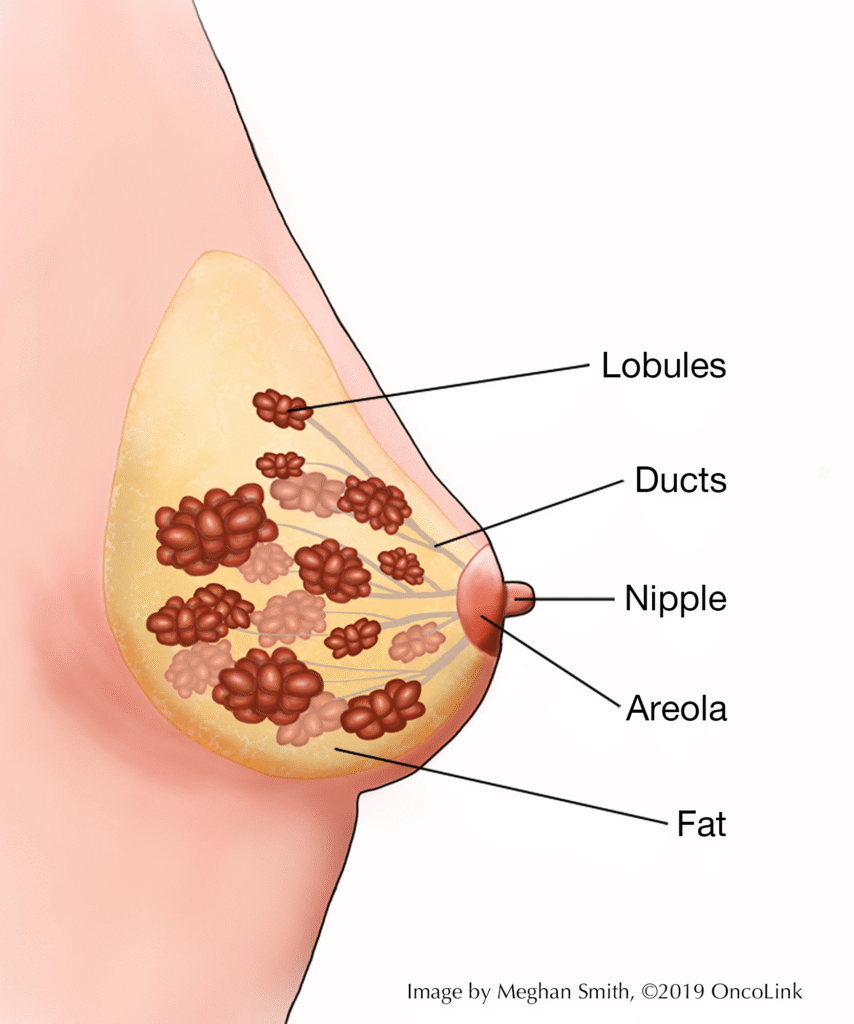
1. What Is Breast Cancer?
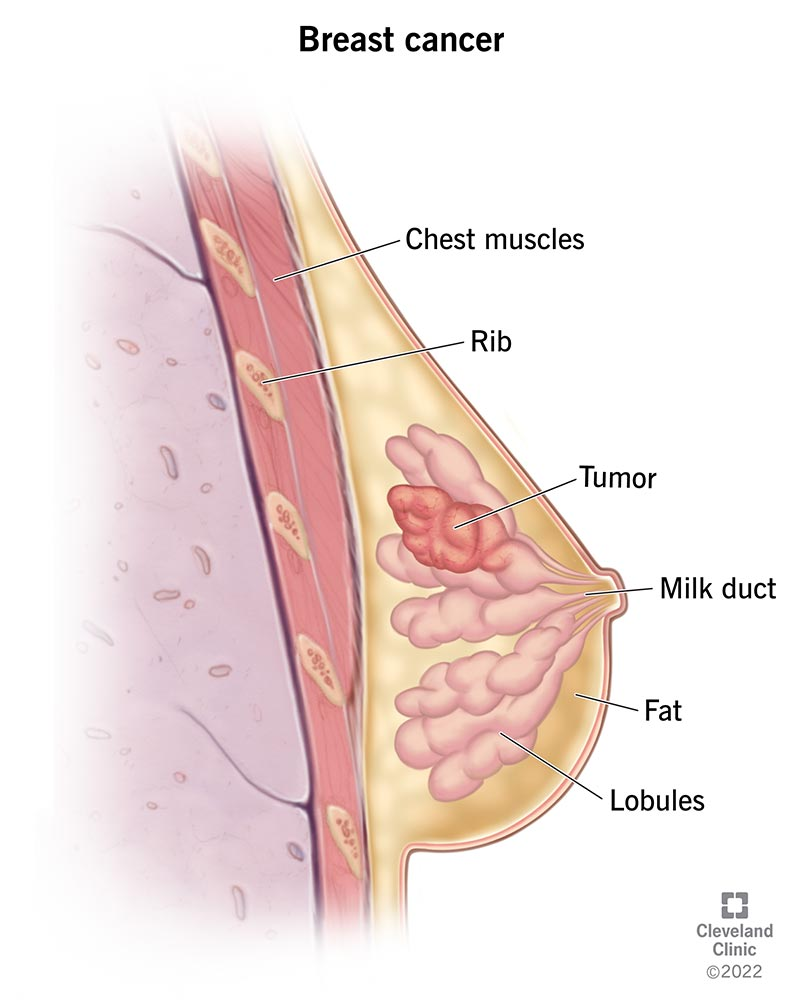
Breast cancer begins when abnormal cells in the breast grow uncontrollably, forming a lump or mass that may spread to other areas of the body. While it primarily affects women, men can also develop breast cancer.
Main Types of Breast Cancer
BREAST CANCER AWARENESS: KNOWLEDGE,EARLY DETECTION,AND HOPE.
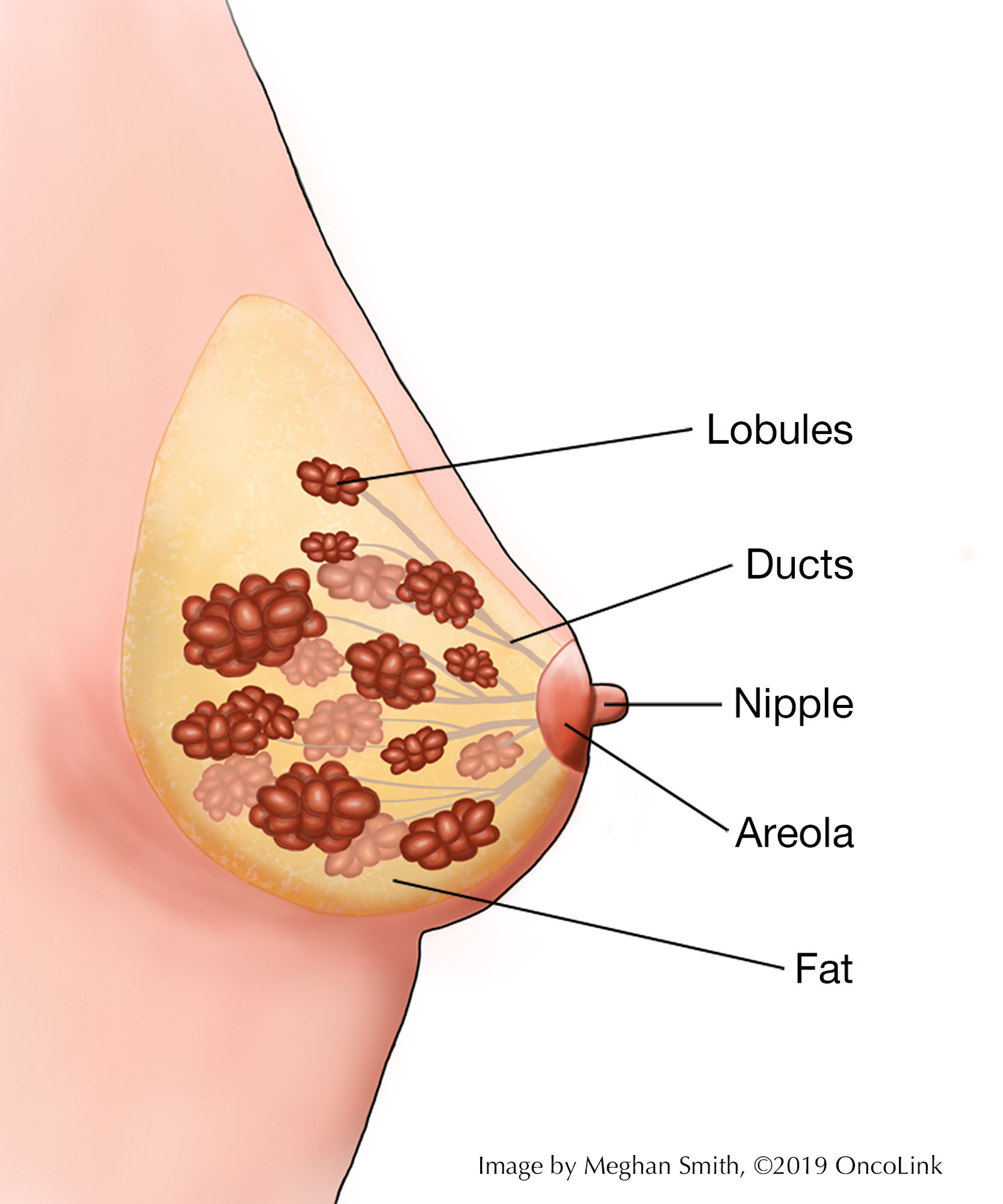
- Ductal Carcinoma In Situ (DCIS): A non-invasive form where abnormal cells stay within the milk ducts.
- Invasive Ductal Carcinoma (IDC): The most common type; it starts in the ducts and spreads to nearby tissue.
- Invasive Lobular Carcinoma (ILC): Begins in the milk-producing lobules.
- Triple-Negative Breast Cancer: A more aggressive form that lacks hormone receptors, making it harder to treat.
- HER2-Positive Breast Cancer: Driven by excess HER2 protein but responsive to targeted therapies.
Understanding your specific type helps determine the best treatment and prognosis.
2. Global Statistics and Impact
BREAST CANCER AWARENESS: KNOWLEDGE,EARLY DETECTION,AND HOPE.
According to the World Health Organization (WHO), breast cancer is now the most diagnosed cancer globally, accounting for roughly 12% of all new annual cancer cases.
The good news? Mortality rates are dropping, thanks to:
✅ Improved screening and early detection
✅ Advances in personalized treatment
✅ Wider awareness campaigns and education
Still, awareness and access to healthcare remain unequal worldwide — particularly in developing regions where diagnosis often happens at advanced stages.
3. Common Risk Factors
BREAST CANCER AWARENESS: KNOWLEDGE,EARLY DETECTION,AND HOPE.
While anyone can develop breast cancer, certain factors can increase your risk.
Uncontrollable Risks
- Gender (female)
- Age (risk rises after 40)
- Family history of breast or ovarian cancer
- BRCA1 or BRCA2 gene mutations
- Early menstruation or late menopause
Lifestyle-Related Risks
- Obesity, especially post-menopause
- Alcohol consumption
- Lack of physical activity
- Long-term hormone replacement therapy (HRT)
- Diets high in processed foods and fats
Recognizing your personal risk allows for smarter lifestyle choices and regular check-ups.
4. Signs and Symptoms to Watch For
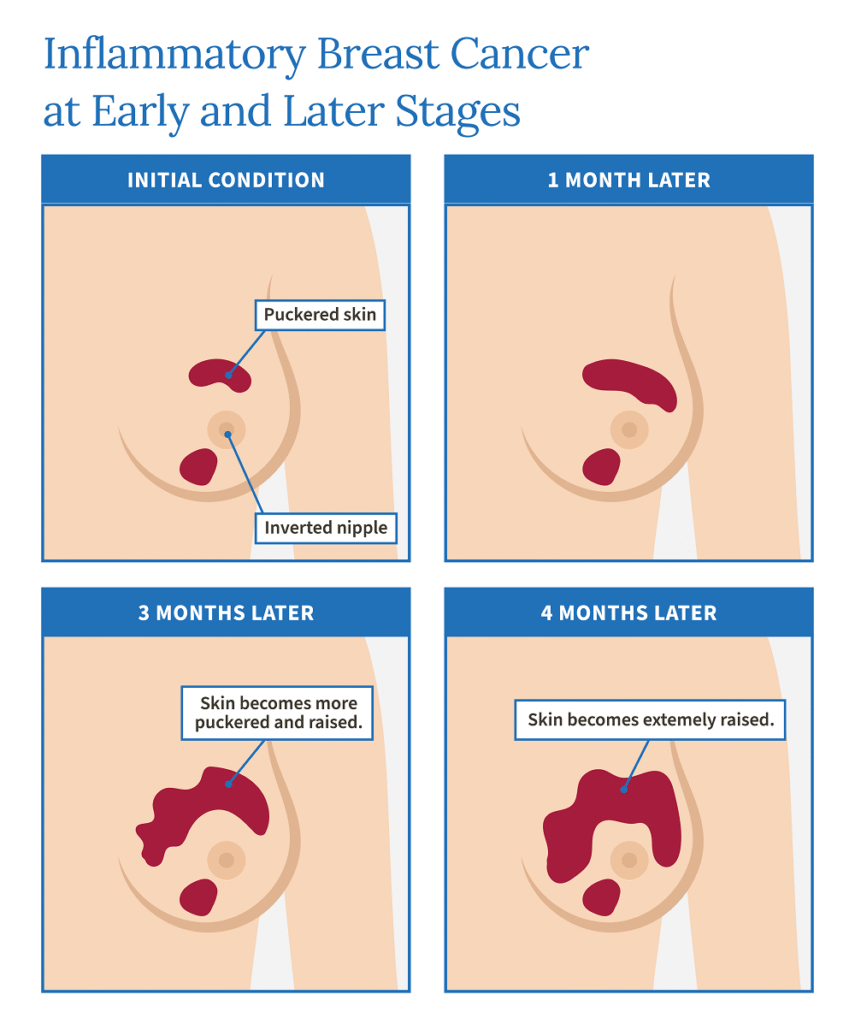
Breast cancer often shows no early symptoms, making routine screening essential. However, watch for:
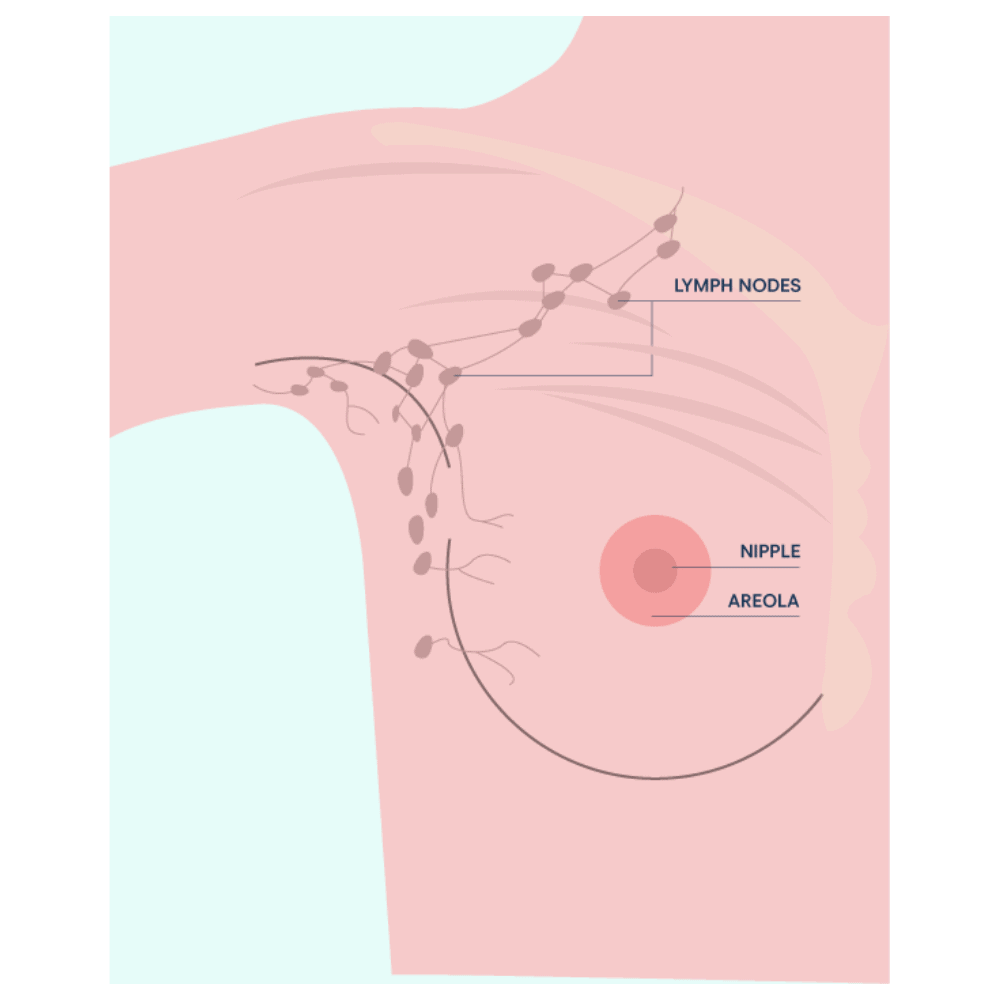
- A lump or thickening in the breast or underarm
- Change in breast size, shape, or texture
- Skin dimpling or puckering
- Nipple inversion or unusual discharge
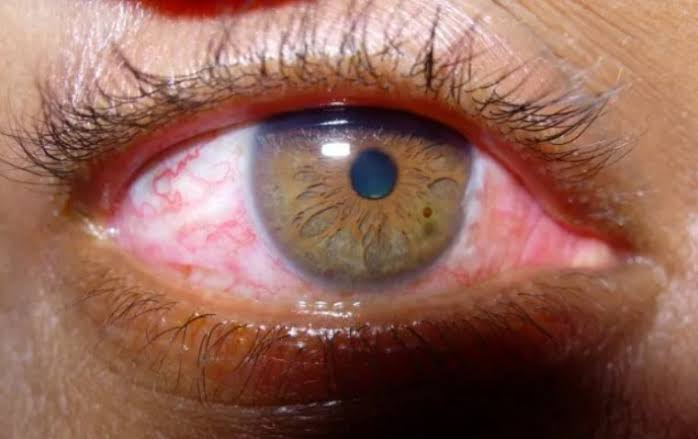
- Redness, scaling, or persistent pain
If you notice changes, consult your doctor right away. Early detection can save your life.
5. Why Early Detection Matters
BREAST CANCER AWARENESS: KNOWLEDGE,EARLY DETECTION,AND HOPE.
The earlier breast cancer is found, the easier it is to treat — and the higher the survival rate.
Key Screening Methods
- Breast Self-Examination (BSE):
Check your breasts monthly to know what’s normal for you. - Clinical Breast Examination (CBE):
Conducted by a healthcare provider every 1–3 years (annually after 40). - Mammogram:
X-ray imaging that detects tumors up to two years before they’re felt. - Ultrasound/MRI:
Used for additional screening, especially in women with dense breast tissue.
💡 Tip: Women aged 40–49 should discuss risk factors and screening schedules with their doctor; those 50–74 are advised to have a mammogram every 1–2 years.
6. Treatment Options and Advances
Treatment depends on cancer type, stage, and personal health factors.
Standard Treatments
- Surgery: Lumpectomy or mastectomy to remove cancerous tissue.
- Radiation Therapy: Destroys remaining cancer cells post-surgery.
- Chemotherapy: Drugs that target fast-growing cancer cells.
- Hormone Therapy: Blocks hormones that fuel certain cancers.
- Targeted Therapy: Attacks specific cancer cell proteins like HER2.
- Immunotherapy: Helps the immune system fight cancer naturally.
Modern Advances
- Genetic testing identifies patients who benefit from specific drugs.
- Personalized medicine tailors treatment to each patient’s DNA.
- AI in mammography improves early detection accuracy.
7. The Role of Awareness and Advocacy
October is globally recognized as Breast Cancer Awareness Month — symbolized by the pink ribbon. But awareness should go beyond one month a year. It’s about encouraging conversation, education, and early testing every day.
Why Awareness Matters
- Breaks the stigma around breast health.
- Encourages women to get screened early.
- Drives funding for research and treatment.
- Builds community support networks for patients and survivors.
How You Can Help
- Share verified information on social media.
- Organize local awareness events or fundraisers.
- Encourage family and friends to schedule screenings.
- Support breast cancer charities and research foundations.
8. Life After Breast Cancer: Thriving Beyond Survival
More people are surviving breast cancer than ever before. However, survivorship brings its own set of challenges — physical recovery, emotional healing, and body image concerns.
Tips for Survivors
- Stay active: Regular exercise reduces fatigue and improves mood.
- Eat well: A balanced diet rich in fruits, vegetables, and lean proteins promotes healing.
- Prioritize mental health: Therapy, meditation, or support groups can ease anxiety.
- Regular checkups: Continue follow-up visits to monitor your health.
- Embrace self-love: Every scar tells a story of strength and survival.
9. Prevention and Healthy Habits
While not all breast cancers are preventable, healthy living lowers risk.
Prevention Checklist
- Maintain a healthy weight
- Limit alcohol and avoid smoking
- Exercise at least 150 minutes per week
- Eat plant-based, nutrient-dense meals
- Manage stress through mindfulness or yoga
- Consider genetic counseling if you have a strong family history
Small lifestyle changes can lead to significant long-term benefits.
10. Future of Breast Cancer Research
Exciting innovations are reshaping how breast cancer is detected and treated.
Researchers are exploring:
- AI-powered mammograms for earlier, more precise detection
- Liquid biopsies — simple blood tests to identify cancer DNA
- Immunotherapy advancements for resistant cancers
- Personalized vaccines to prevent recurrence
Each discovery brings us closer to a future where breast cancer is not only treatable but preventable.
11. Conclusion: Awareness Is Empowerment
Breast cancer awareness is about more than pink ribbons — it’s about education, empowerment, and empathy. The journey from diagnosis to recovery is never easy, but it’s one filled with resilience, innovation, and community.
By staying informed, performing regular self-checks, and supporting awareness initiatives, you can make a difference — for yourself and for others.
💗 Remember: Early detection is your best protection. Schedule your screening, share knowledge, and wear your pink with pride.