##How to Control High Blood Pressure Naturally at Home
Discover effective natural remedies to control high blood pressure at home. Learn about lifestyle changes, diet tips, exercises, stress management, and daily habits that help maintain healthy blood pressure levels naturally.
How to Control High Blood Pressure Naturally at Home
How to Control High Blood Pressure Naturally at Home
High blood pressure, also known as hypertension, is one of the most common health issues affecting millions worldwide. Often called the “silent killer,” it typically shows no symptoms but significantly increases the risk of heart attacks, stroke, kidney problems, and other complications. The good news is that many people can reduce or manage high blood pressure with simple, natural, home-based lifestyle changes—often without immediate medication.
In this blog, we’ll explore scientifically supported and practical ways to control high blood pressure naturally at home.
How to Control High Blood Pressure Naturally at Home….
1 ,Reduce Sodium Intake
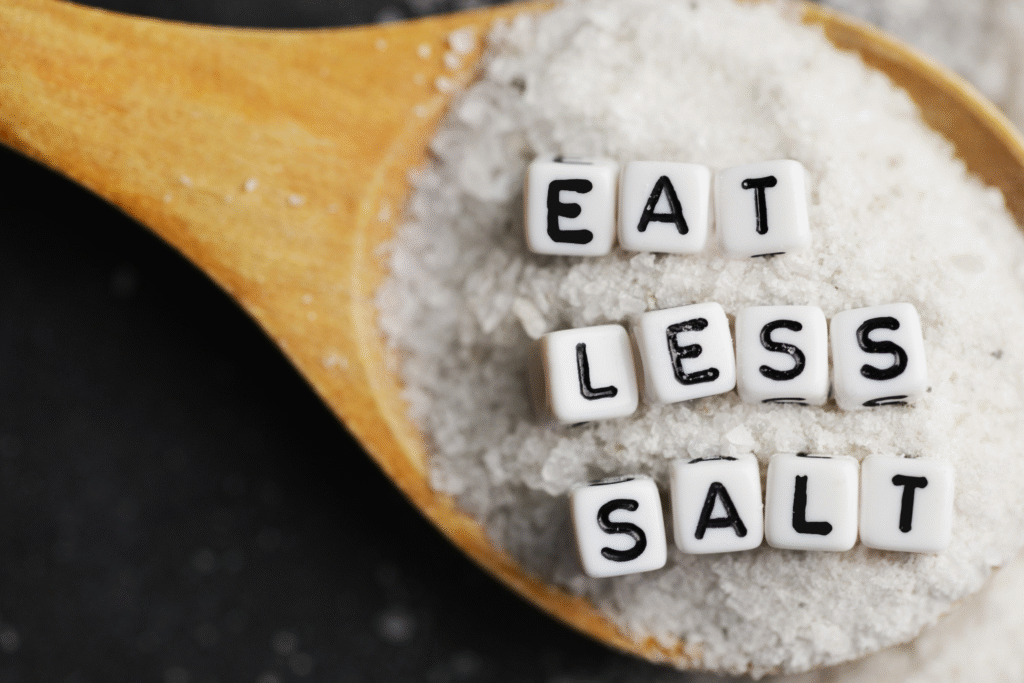
Salt is one of the biggest culprits behind high blood pressure. Excess sodium makes your body retain water, putting extra pressure on your arteries.
Tips to reduce sodium at home:
How to Control High Blood Pressure Naturally at Home
- Avoid processed foods such as chips, canned soups, and frozen meals.
- Read labels and choose low-sodium or no-salt-added products.
- Replace table salt with herbs like basil, oregano, garlic, ginger, or lemon juice.
- Limit restaurant food, which often contains high levels of sodium.
Reducing sodium even slightly can have a significant impact on your blood pressure.
How to Control High Blood Pressure Naturally at Home….
2. Eat a Balanced, Heart-Healthy Diet
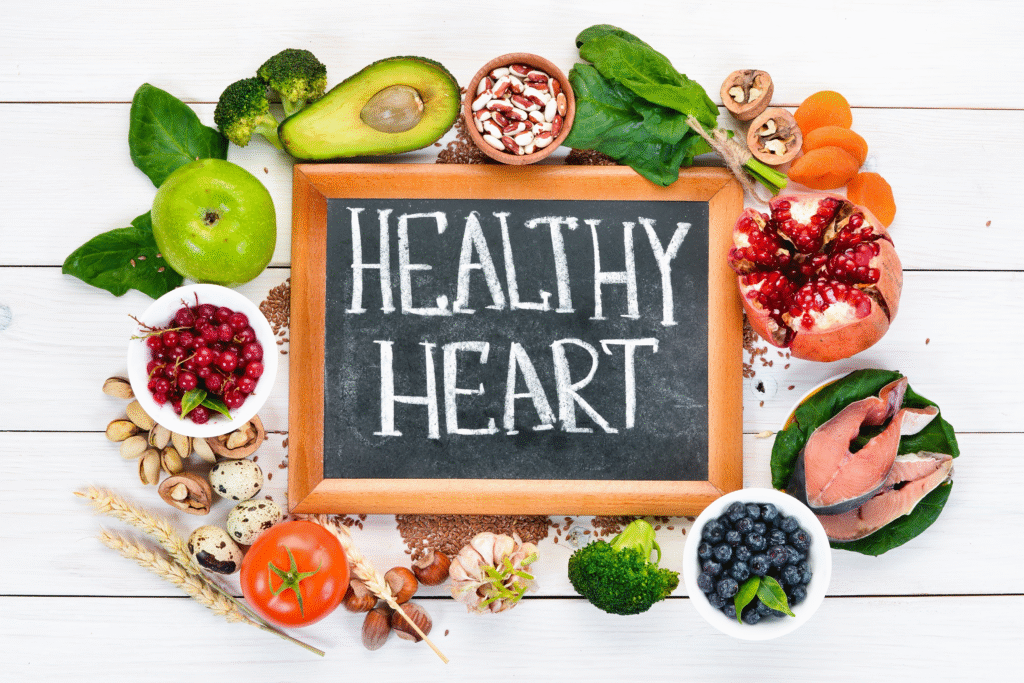
Your diet plays a huge role in blood pressure control. A well-known eating plan called DASH (Dietary Approaches to Stop Hypertension) has been proven to lower blood pressure naturally.
Best foods to include:
How to Control High Blood Pressure Naturally at Home
- Leafy greens (spinach, kale, Swiss chard)
- Fruits rich in potassium (bananas, oranges, avocados)
- Whole grains (brown rice, oats, whole wheat)
- Lean proteins (fish, chicken, legumes)
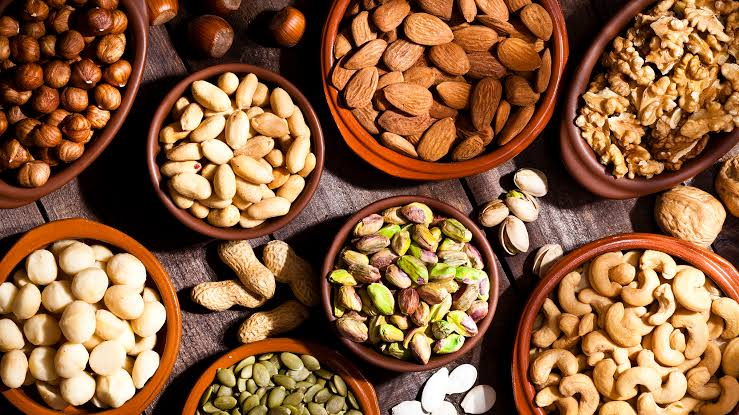
- Healthy fats (olive oil, nuts, seeds)
- Low-fat dairy
Foods to avoid:
- Sugary snacks and drinks
- Deep-fried foods
- High-fat meats
- Excess red meat
- Fast foods
A diet rich in fruits, vegetables, and whole foods helps your blood vessels relax and improves circulation.
How to Control High Blood Pressure Naturally at Home….
3. Exercise Regularly
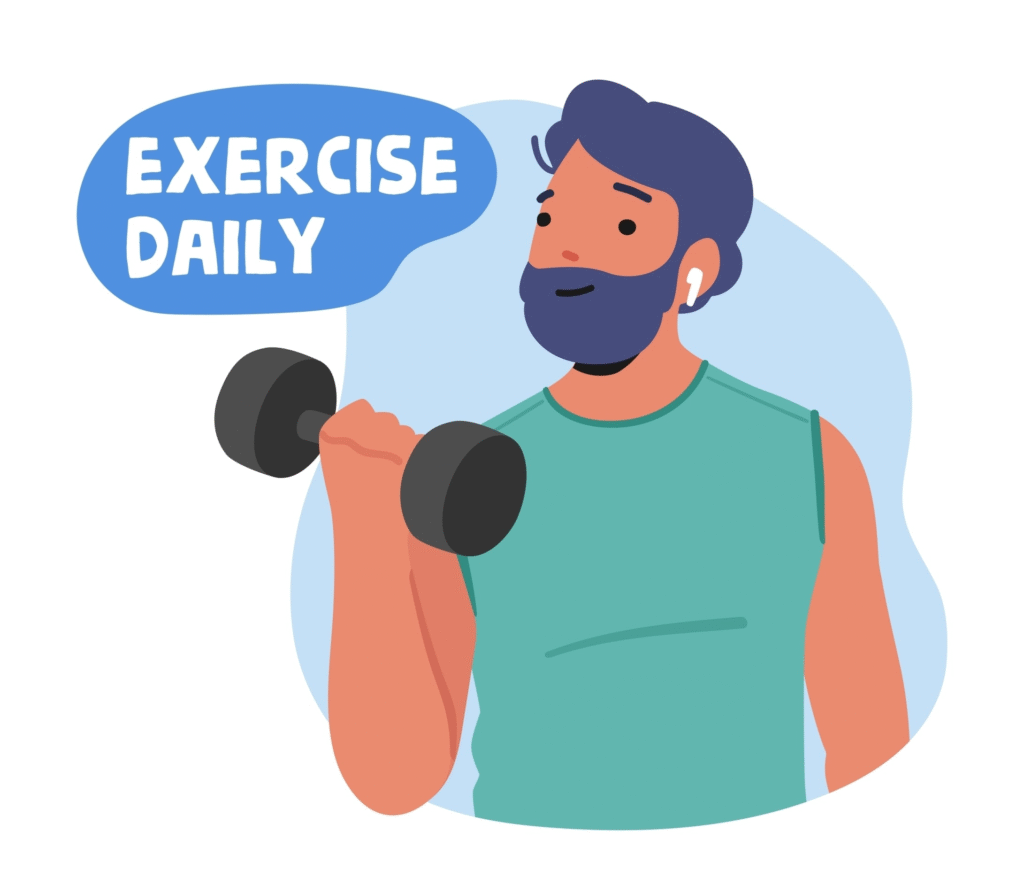
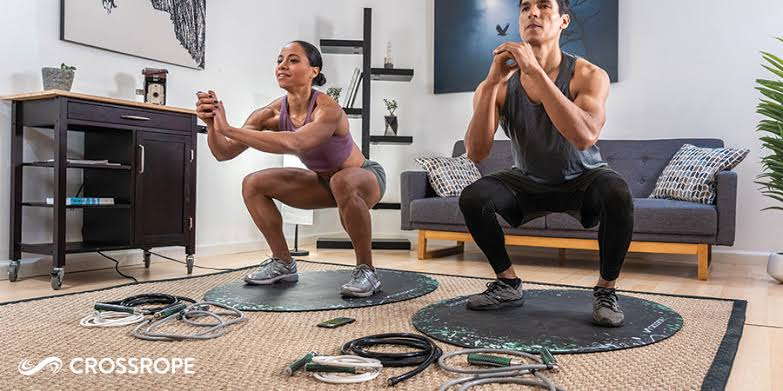
You don’t need a gym membership to lower blood pressure. Simple activities at home can make a big difference.
How to Control High Blood Pressure Naturally at Home
Recommended exercises:
- Brisk walking (30 minutes daily)
- Yoga for relaxation and flexibility
- Stretching to improve blood flow
- Light strength training using water bottles or resistance bands
- Dancing, which is fun and improves heart health
Regular physical activity strengthens your heart, making it easier to pump blood with less effort, which lowers pressure on artery walls.
4. Lose Excess Weight
How to Control High Blood Pressure Naturally at Home
Weight and blood pressure are directly connected. Even losing 5–10% of your body weight can significantly reduce hypertension.
Weight-loss tips at home:
- Avoid late-night eating
- Choose smaller portions
- Replace sugary snacks with fruits
- Drink water before meals
- Stay active throughout the day
Healthy weight reduces the strain on your heart and arteries.
5. Manage Stress Effectively
Chronic stress increases blood pressure temporarily—and sometimes permanently if not handled well. Managing stress at home is one of the most natural and effective ways to control hypertension.
Stress-reducing techniques:
How to Control High Blood Pressure Naturally at Home
- Deep breathing exercises
- Meditation or mindfulness
- Listening to calming music
- Gardening or hobbies
- Spending time with family or pets
Try practicing deep breathing for 5 minutes twice a day—this alone can reduce blood pressure levels.
6. Get Enough Sleep
Poor sleep can increase cortisol and adrenaline, hormones that raise blood pressure. Most adults need 7–8 hours of quality sleep each night.
Improve sleep naturally:
- Keep your bedroom cool and dark
- Avoid screens 1 hour before bed
- Follow a regular sleep schedule
- Avoid caffeine late in the day
- Use relaxation techniques before bedtime
Better sleep supports overall heart health.
7. Limit Alcohol and Quit Smoking
How to Control High Blood Pressure Naturally at Home
Alcohol can raise blood pressure, especially when consumed in excess. Smoking, meanwhile, damages arteries and raises pressure levels almost instantly.
Healthy habits to adopt:
- Limit alcohol to 1 drink/day for women and 2 for men
- Seek support to quit smoking
- Replace cigarettes with healthy alternatives like chewing gum or herbal tea
Your blood pressure and heart health improve almost immediately after quitting smoking.
8. Stay Hydrated
How to Control High Blood Pressure Naturally at Home
Drinking enough water keeps your blood vessels functioning properly and helps the kidneys eliminate excess sodium.
Hydration tips:
- Drink 6–8 glasses of water daily
- Add lemon or cucumber for flavor
- Reduce sugary drinks and caffeine
Dehydration can stiffen blood vessels, making blood pressure rise.
9. Try Natural Herbal Remedies
Several herbs may help reduce blood pressure naturally. While they’re not replacements for medical treatment, they can support a healthy lifestyle.
Helpful herbs include:
- Garlic (improves blood vessel dilation)
- Hibiscus tea (reduces systolic and diastolic pressure)
- Flaxseed (supports heart health)
- Green tea (rich in antioxidants)
Always consult a doctor before using herbal remedies if you’re taking medication.
10. Monitor Your Blood Pressure at Home
A home blood pressure monitor helps you track your progress and understand how lifestyle changes affect your health.
Monitoring tips:
- Measure at the same time every day
- Sit upright and calm for 5 minutes before checking
- Take two readings and use the average
- Keep a log of your results
Regular monitoring helps you catch early changes and adjust your lifestyle accordingly.
Final Thoughts
How to Control High Blood Pressure Naturally at Home
Controlling high blood pressure naturally at home is possible with consistent healthy habits. While medication may be necessary for some people, lifestyle changes—from eating a heart-healthy diet to managing stress and staying active—can dramatically improve your blood pressure levels and overall well-being.
How to Control High Blood Pressure Naturally at Home
If your blood pressure is consistently high, don’t ignore it. Consult a healthcare professional for proper evaluation and long-term management. But with commitment and the right approach, you can take charge of your health naturally and effectively.