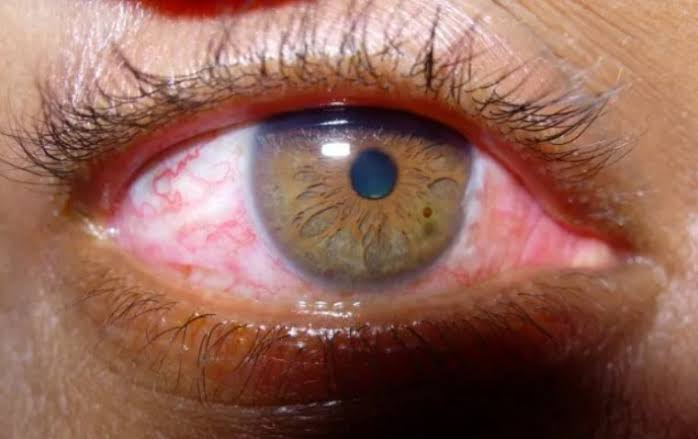
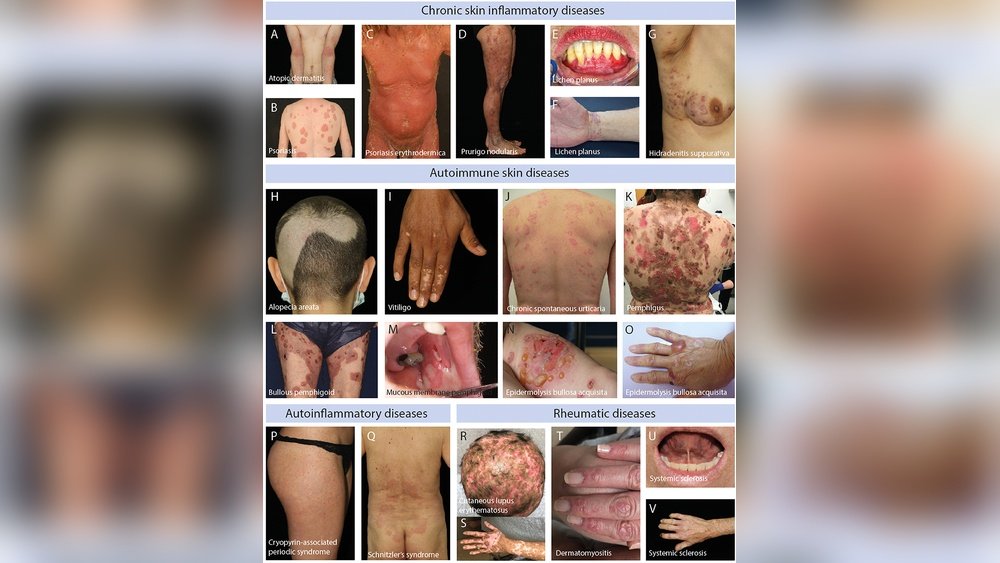
Have you ever noticed strange spots, itching, or redness on your skin and wondered what it could be? Skin diseases affect millions of people, yet many struggle to understand their causes and how to treat them.
Skin Diseases: Ultimate Guide to Causes, Symptoms & Treatments
Your skin is the largest organ of your body, and maintaining its health is essential for feeling confident and comfortable every day. In this guide, you will learn about the most common skin diseases, how to recognize them early, and simple steps you can take to protect your skin effectively.
Don’t ignore the signs—your skin’s health matters more than you think. Keep reading to learn how to take control and keep your skin glowing.
Skin Diseases: Ultimate Guide to Causes, Symptoms & Treatments…
Credit: healthcare.utah.edu
##Skin Diseases: Ultimate Guide to Causes, Symptoms & Treatments
Common Skin Diseases
Skin diseases affect millions worldwide. They cause discomfort and affect daily life. Understanding common skin diseases helps in early detection and care.
These conditions vary in symptoms and severity. Some are mild and temporary, while others need long-term treatment. Knowing their signs is important for healthy skin.
Eczema
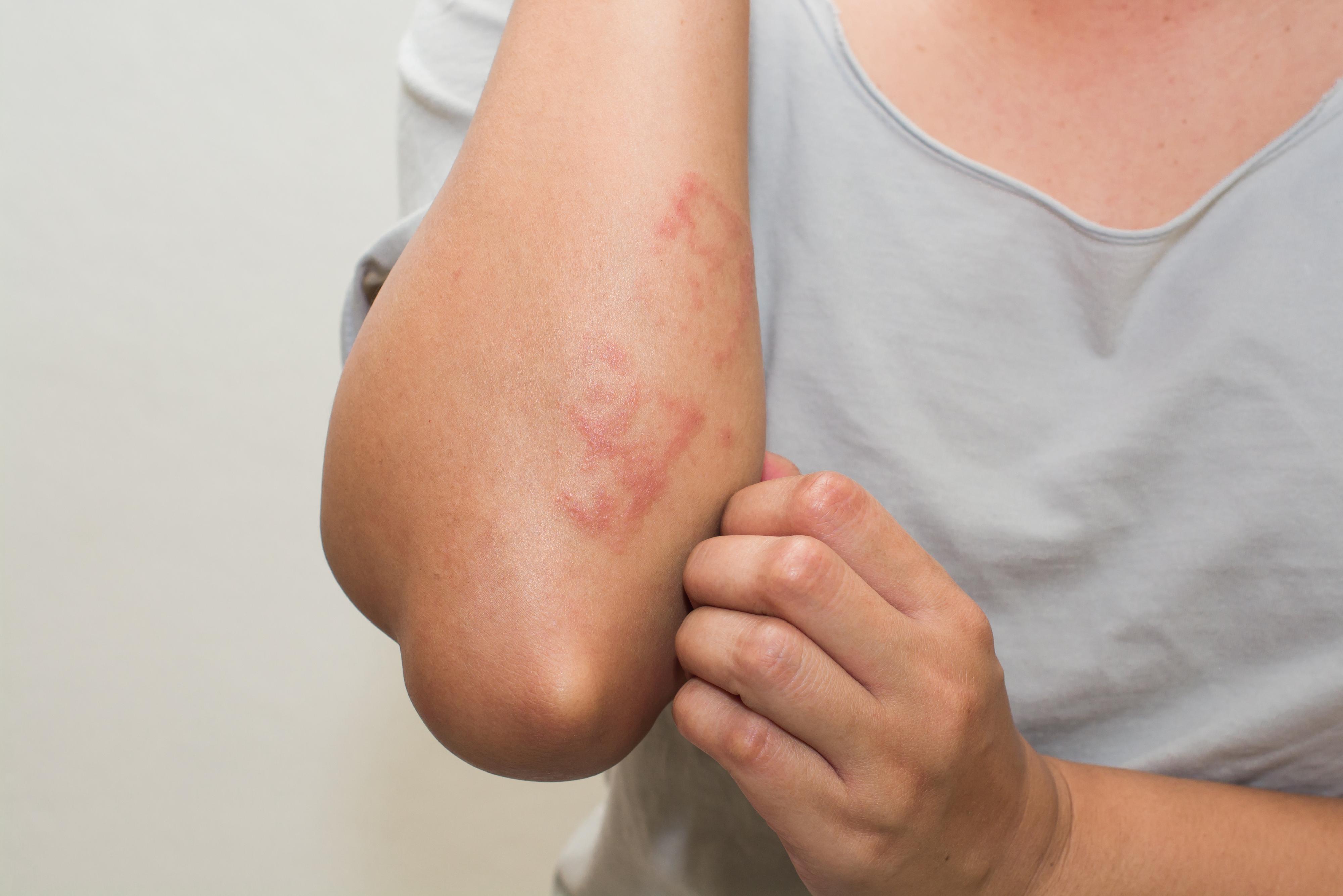
Eczema causes red, itchy, and dry skin. It often appears on hands, feet, and face. Triggers include allergens, stress, and weather changes. Moisturizing and avoiding irritants can reduce flare-ups.
Psoriasis
Psoriasis creates thick, scaly patches on the skin. It usually affects the scalp, elbows, and knees. The condition is linked to immune system problems. Treatments focus on reducing inflammation and skin renewal.
Acne
Acne occurs when hair follicles get clogged with oil and dead skin. It causes pimples, blackheads, and whiteheads. Common in teenagers but can affect adults too. Good skincare and medications help control acne.
Skin Diseases: Ultimate Guide to Causes, Symptoms & Treatments..
Rosacea
Rosacea leads to redness and visible blood vessels on the face. It may cause small, red bumps resembling pimples. Sun exposure and hot drinks often worsen symptoms. Gentle skin care and medical treatments provide relief.
Skin Infections
Skin infections happen due to bacteria, viruses, or fungi. They cause redness, swelling, and sometimes pain. Common types include impetigo, ringworm, and cold sores. Cleanliness and antibiotics or antifungal creams treat infections effectively.
Causes Of Skin Diseases
Skin Diseases: Ultimate Guide to Causes, Symptoms & Treatments
Skin diseases arise from many causes. Understanding these causes helps in prevention and treatment. The skin is affected by factors inside the body and outside it. Some causes are inherited, while others come from the environment or lifestyle. Here are the main causes of skin diseases.
Genetic Factors
Genes play a big role in skin health. Some skin diseases run in families. Conditions like eczema and psoriasis often pass from parent to child. These diseases occur due to changes in the skin’s natural defense. Genetic factors can make skin more sensitive or prone to irritation. Knowing your family history helps in early care.
Environmental Triggers
The environment affects the skin every day. Sun exposure can cause burns and increase cancer risk. Pollution clogs pores and causes inflammation. Extreme weather, like cold or heat, dries or irritates the skin. Chemicals in detergents or cosmetics may also trigger reactions. Protecting skin from harsh conditions reduces disease risk.
Allergic Reactions
Allergies often cause skin problems. Contact with allergens like pollen, dust, or certain metals leads to rashes. Food allergies can cause hives or swelling. The immune system overreacts and inflames the skin. Identifying allergens is key to avoiding flare-ups. Allergy tests can help find triggers.
Infections
Skin infections come from bacteria, viruses, fungi, or parasites. They cause redness, itching, and sores. Common infections include ringworm, impetigo, and shingles. Poor hygiene or cuts on the skin increase infection risk. Early treatment prevents spread and complications.
Lifestyle Influences
Daily habits impact skin health greatly. Poor diet and lack of water dry the skin. Smoking reduces blood flow and speeds aging. Stress weakens the immune system and causes flare-ups. Lack of sleep affects skin repair. Healthy living supports strong, clear skin.
Recognizing Symptoms
Skin Diseases: Ultimate Guide to Causes, Symptoms & Treatments
Recognizing symptoms of skin diseases is important for early care. Skin changes often show clear signs. Noticing these signs helps to seek treatment fast. Understanding common symptoms can protect your skin health.
Rashes And Redness
Rashes appear as red patches or spots on the skin. They may be small or cover a large area. Redness shows inflammation or irritation under the skin. Watch for rashes that spread or worsen over time. These signs often indicate an underlying skin problem.
Itching And Irritation
Itching is a common symptom of many skin conditions. The skin may feel irritated or uncomfortable. Scratching can cause more damage and infection. Notice if the itch lasts for days or occurs with other symptoms. Persistent itching needs medical attention.
Dryness And Scaling
Dry skin often feels rough and tight. Scaling means skin flakes or peels off in small pieces. These signs suggest moisture loss or damage to the skin barrier. Dryness can lead to cracks and pain if untreated. Use gentle care and check for any worsening signs.
Swelling And Blisters
Swelling makes the skin look puffy or raised. Blisters are fluid-filled bubbles on the skin surface. Both symptoms show inflammation or injury. Blisters may burst and cause open sores. Seek help if swelling or blisters appear suddenly or spread quickly.
Changes In Skin Color
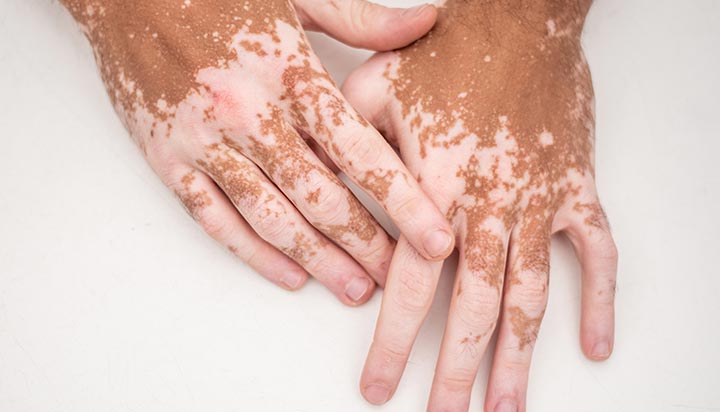
Skin color changes include dark spots, light patches, or unusual hues. These changes can signal infection, allergy, or other skin issues. Sudden color changes need prompt evaluation. Monitoring skin tone helps detect problems early and prevent complications.
Diagnosis Methods
Skin Diseases: Ultimate Guide to Causes, Symptoms & Treatments
Diagnosing skin diseases involves several methods to identify the exact problem. Doctors use different tools and tests to examine the skin and find the cause of symptoms. Accurate diagnosis helps in choosing the right treatment and care.
Physical Examination
Doctors start by closely looking at the skin. They check the size, shape, and color of any rash or spots. They also ask about symptoms and how long they have lasted. This simple exam gives important clues about the skin condition.
Skin Biopsy
A small piece of skin may be removed for testing. This sample is checked under a microscope. It helps to find infections, inflammation, or cancer. The procedure is quick and usually causes little pain.
Allergy Testing
Some skin diseases happen due to allergies. Doctors may use allergy tests to find triggers. These tests expose the skin to small amounts of allergens. Reactions show which substances cause problems.
Blood Tests
Blood tests check for infections or immune system problems. They measure levels of certain chemicals or cells. These tests support other findings and help confirm the diagnosis.
Imaging Techniques
Imaging tools like ultrasound or X-rays are rarely used but helpful. They show deeper skin layers or affected tissues. These methods assist in complex or unclear cases.
Treatment Options
Skin Diseases: Ultimate Guide to Causes, Symptoms & Treatments
Treating skin diseases requires different methods based on the condition and its severity. Many options exist to help reduce symptoms and improve skin health. Some treatments target the skin directly, while others work from inside the body.
Choosing the right treatment depends on the diagnosis and individual needs. Combining several options often gives the best results. Understanding each treatment helps in managing skin problems better.
Topical Medications
Topical medications are creams, gels, or ointments applied to the skin. They can reduce inflammation, kill bacteria, or soften dry patches. These medicines work directly on affected areas for fast relief. Common examples include corticosteroids and antifungal creams. Doctors often recommend them for mild to moderate skin conditions.
Oral Medications
Oral medications are pills or capsules taken by mouth. They treat infections, reduce inflammation, or control immune system responses. These medicines are useful for widespread or severe skin diseases. Antibiotics, antihistamines, and immunosuppressants belong to this group. Doctors prescribe them carefully to avoid side effects.
Phototherapy
Phototherapy uses controlled light exposure to treat skin disorders. It helps slow down skin cell growth and reduce inflammation. This method suits conditions like psoriasis and eczema. Sessions are done in clinics under medical supervision. Phototherapy can improve symptoms when other treatments are not enough.
Natural Remedies
Natural remedies use herbs and oils to soothe the skin. Aloe vera, coconut oil, and tea tree oil are popular choices. These can reduce itching and dryness gently. Natural treatments support skin healing but may not replace medical care. Always test a small skin area to avoid reactions.
Lifestyle Changes
Lifestyle changes play a key role in managing skin diseases. Eating healthy foods improves skin health from inside. Drinking water helps keep skin hydrated. Avoiding triggers like harsh soaps or allergens prevents flare-ups. Regular exercise and stress control also support skin healing. Simple habits can make a big difference over time.
Credit: my.clevelandclinic.org
Preventive Measures
Skin Diseases: Ultimate Guide to Causes, Symptoms & Treatments
Preventive measures can reduce the risk of many skin diseases. Taking care of your skin daily helps keep it healthy and strong. Small changes in habits can protect your skin from harm.
Skin Care Routine
Clean your skin gently twice a day. Use mild soap and lukewarm water. Avoid scrubbing too hard to prevent irritation. Moisturize your skin to keep it soft and hydrated. Choose products that suit your skin type.
Sun Protection
Sun exposure can cause serious skin damage. Apply sunscreen with at least SPF 30 every day. Wear hats and long sleeves when outside. Seek shade during peak sun hours. Protecting your skin helps avoid burns and premature aging.
Healthy Diet
Eat foods rich in vitamins and antioxidants. Fresh fruits and vegetables boost skin health. Drink plenty of water to keep your skin hydrated. Avoid too much sugar and oily foods. A balanced diet supports skin repair and glow.
Stress Management
Stress affects your skin’s appearance and health. Practice relaxation techniques like deep breathing or meditation. Get enough sleep every night. Regular exercise helps reduce stress levels. Calm mind leads to healthier skin.
Avoiding Triggers
Identify things that cause skin problems. Common triggers include harsh chemicals, allergens, and extreme weather. Avoid smoking and limit alcohol use. Keep your environment clean to reduce irritants. Preventing contact helps reduce skin flare-ups.
When To See A Doctor
Skin Diseases: Ultimate Guide to Causes, Symptoms & Treatments
Knowing when to see a doctor for skin diseases is very important. Some skin problems need medical help quickly. Others may clear up on their own. Understanding key signs can protect your health. Early care helps prevent serious issues.
Persistent Symptoms
Skin problems lasting more than two weeks need attention. Itchy, red, or scaly patches that do not improve require a check-up. Persistent rashes can signal an underlying condition. Do not ignore symptoms that stay or worsen.
Severe Reactions
Sudden swelling or intense pain on the skin needs fast care. Blistering or large areas of redness can be serious. Severe reactions might signal allergies or infections. Immediate medical help prevents complications.
Signs Of Infection
Look for pus, warmth, or increasing redness around a sore. Fever with skin changes is a warning sign. Infections can spread quickly and need treatment. Early doctor visits stop infections from growing worse.
Changes In Skin Lesions
Watch for changes in size, shape, or color of moles or spots. Irregular borders or bleeding lesions need a doctor’s evaluation. Skin cancers often start as changing spots. Early diagnosis improves treatment success.
Impact On Daily Life
Skin issues that disrupt sleep or daily activities need care. Constant itching or pain reduces quality of life. Difficulty wearing clothes or doing chores signals a problem. Doctors can offer relief and improve comfort.

Credit: www.researchgate.net
Frequently Asked Questions
Skin Diseases: Ultimate Guide to Causes, Symptoms & Treatments
What Are The Most Common Types Of Skin Diseases?
Common skin diseases include eczema, psoriasis, acne, dermatitis, and fungal infections. These conditions affect skin health and appearance. Early diagnosis helps manage symptoms effectively and prevent complications.
How Can I Prevent Skin Diseases Naturally?
Maintaining hygiene, moisturizing regularly, using sunscreen, and avoiding irritants can prevent many skin diseases. A balanced diet and hydration also support skin health. Early care reduces the risk of infections and chronic conditions.
When Should I See A Doctor For Skin Problems?
Consult a doctor if skin rashes persist over two weeks, worsen, or cause pain. Seek immediate care for severe itching, swelling, or signs of infection. Early professional advice ensures proper diagnosis and treatment.
Can Diet Affect Skin Disease Symptoms?
Yes, diet influences skin health. Foods rich in antioxidants, vitamins, and omega-3 fatty acids can improve skin conditions. Avoiding processed foods and allergens may reduce flare-ups and inflammation. Balanced nutrition supports skin repair and immunity.
Conclusion
Skin diseases affect millions worldwide, but early care can prevent complications. Keep your skin clean and dry daily, avoid harsh chemicals, and protect yourself from sun exposure. Consulting a doctor can help you get the right treatment.
Skin Diseases: Ultimate Guide to Causes, Symptoms & Treatments
Small habit changes can significantly boost skin health. Pay attention to your skin’s signals and respond promptly. Healthy skin supports overall well-being. Start taking simple steps today for healthier skin tomorrow.