
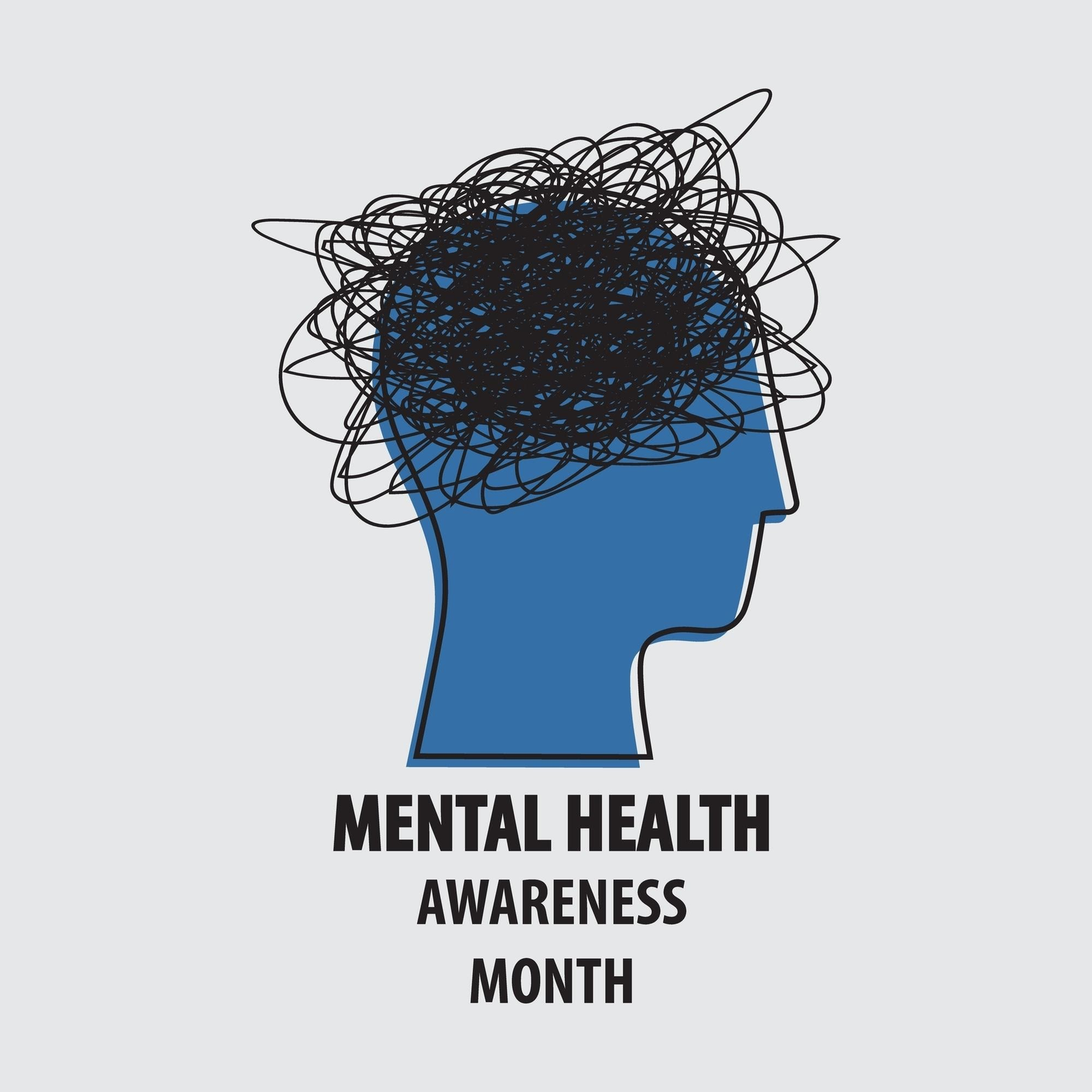

Human How to do daily activities to get rid of mental fatique
Discover practical daily habits to reduce mental fatigue, boost energy, and improve focus through simple lifestyle adjustments and mindful routines.
How to Do Daily Activities to Get Rid of Mental Fatigue
Mental fatigue has become one of the most common struggles in modern life. Whether it’s juggling work, family responsibilities, continuous notifications, or emotional stress, our minds often feel overloaded. Mental exhaustion doesn’t appear overnight—it builds slowly when we don’t give our brains enough rest, stimulation, or balance. Luckily, you can reduce mental fatigue by adjusting your daily habits and routines. The key is consistency, mindfulness, and listening to your body and mind.
Below are simple but powerful strategies to incorporate into your daily life to relieve mental fatigue and maintain long-term mental well-being.
Human How to do daily activities to get rid of mental fatique….
1. Start Your Morning With Mindful Grounding

How you begin your day often shapes the mental tone for the rest of it. Many people wake up and immediately check their phone—scrolling through emails or social media before their feet hit the floor. This instantly puts your brain in a reactive state.
Instead, try creating a morning routine that sets a calm and clear foundation:
Human How to do daily activities to get rid of mental fatique….
Simple Activities to Try:
- Deep breathing for 3 minutes to center your mind and oxygenate your brain.
- Light stretching or gentle yoga to release tension after sleep.
- A moment of gratitude—list 3 things you’re grateful for.
- Drink water before caffeine to rehydrate your system.
This quiet, intentional start helps your brain transition gracefully into activity rather than jumping into stress.
2. Plan Your Day the Smart Way

Mental fatigue often comes from decision overload. When your brain constantly switches from one task to another without structure, it becomes overwhelmed.
Human How to do daily activities to get rid of mental fatique….
Tips to Plan Effectively:
- Create a simple to-do list with 3 priority tasks.
Beyond three, your brain may interpret the list as overwhelming. - Use time-blocking.
Allocate focused time for tasks, breaks, meals, and relaxation. - Avoid multitasking.
It reduces efficiency and increases cognitive load.
By organizing your day, you provide your mind with clarity and reduce the stress of unpredictability.
3. Take Regular Brain Breaks
Your brain isn’t designed to be “on” for long stretches of time. Even when you think you’re resting by scrolling through social media, your brain is still processing information.
Use the 50–10 Rule:
Work for 50 minutes, break for 10 minutes.
During your break:
- Stand up and stretch.
- Look out the window at something far away (reduces eye strain).
- Take a short walk.
- Practice slow breathing.
These small resets deactivate the mental “pressure valve” so you can return to your work with more clarity and less fatigue.
4. Nourish Your Brain With the Right Foods
Your brain needs fuel just like the rest of your body. Mental exhaustion often comes from dehydration, irregular meals, or nutrient deficiencies.
Eat More Brain-Boosting Foods:
- Nuts and seeds (omega-3s)
- Whole grains (steady energy)
- Leafy greens (rich in vitamins)
- Eggs (choline boosts memory)
- Fresh fruits
- Dark chocolate (in moderation!)
Stay Hydrated
Even mild dehydration can cause headaches, fogginess, and irritability.
Aim for at least 6–8 glasses of water per day.
When you feed your body well, your mind naturally feels more awake and resilient.
5. Move Your Body to Refresh Your Mind
Physical movement increases blood flow to the brain and releases endorphins, which improve mood and reduce stress. You don’t need an hour-long workout every day—small bursts of movement are just as effective.
Daily Movement Options:
- A 20-minute walk before or after work
- Stretching every few hours
- Dancing to your favorite song
- Light home workouts or yoga
- Cycling or swimming on weekends
Regular movement improves focus, reduces anxiety, and gives the brain a refreshing break from cognitive tasks.
6. Limit Digital Overload
Screens are one of the biggest contributors to mental fatigue. Constant notifications, bright lights, and endless content overwhelm the brain.
Healthy Tech Habits:
- Turn off non-essential notifications.
- Set screen-free times—especially during meals and before bed.
- Follow the 20-20-20 rule for eye strain:
Every 20 minutes, look at something 20 feet away for 20 seconds. - Avoid browsing your phone when you’re bored—it tricks your brain into thinking you’re “busy.”
Reducing screen overload gives your mind a chance to slow down and recover.
7. Practice Mindfulness or Meditation
Meditation isn’t about emptying your mind—it’s about giving it space to breathe. Just 5–10 minutes a day can drastically lower mental fatigue.
Benefits of Mindfulness:
- Lowers stress and anxiety
- Improves concentration
- Reduces emotional overreaction
- Helps you process thoughts slowly and clearly
If meditation feels challenging, try:
- Guided breathing apps
- Mindful walking
- Listening to calming music
- Journaling your thoughts
The goal is to create mental stillness and awareness.
8. Build Healthy Social Connections
Humans thrive on connection. Talking to someone supportive, sharing laughter, or simply being around loved ones can relieve emotional and mental burdens.
Ways to Connect Daily:
- Call a friend or family member
- Share a meal with someone
- Join a hobby club or online group
- Talk to coworkers during breaks
Healthy social interactions refresh the mind and reduce the heaviness of daily stress.
9. Declutter Your Space for a Clearer Mind
A cluttered environment creates mental clutter. When your surroundings are chaotic, your mind uses additional energy to process it all.
Daily Decluttering Habits:
- Make your bed every morning
- Clear your workspace at the end of the day
- Keep items you frequently use within reach
- Donate or discard unnecessary items regularly
A clean space brings a sense of control and calm, helping your mind operate more smoothly.
10. Establish a Relaxing Evening Routine
Mental fatigue builds when your day lacks a clear ending. Your brain needs a signal that it’s time to slow down.
Create a Night Routine:
- Turn off screens 1 hour before bed
- Drink a calming herbal tea
- Read a book instead of scrolling
- Take a warm shower
- Practice gentle stretches
Prioritizing rest ensures your brain gets the deep recovery it needs.
11. Prioritize Sleep Quality
Sleep is the most important factor in reducing mental fatigue. Without 7–9 hours of good rest, your brain can’t function at its full capacity.
Tips for Better Sleep:
- Keep a consistent bedtime schedule
- Limit caffeine after the afternoon
- Make your bedroom cool and dark
- Avoid heavy meals before bedtime
- Use calming rituals like reading or soft music
Better sleep equals better mental performance.
Final Thoughts
Mental fatigue doesn’t disappear on its own—it requires intentional daily habits that support your brain’s well-being. By grounding your mornings, planning your day, taking breaks, nourishing your body, reducing screen time, and getting good sleep, you can protect your mental energy and build resilience.
Remember, the goal isn’t to eliminate all stress—it’s to create a balanced rhythm where your mind has room to rest, recharge, and thrive. Start with one or two habits today, and gradually incorporate more. Your future self will thank you.