

The Importance of Healthy Eating Habits for Mental Peace
Mental peace is one of the most sought-after states in today’s fast-paced and increasingly demanding world. In our quest for happiness, success, and fulfillment, we often overlook one of the most critical aspects of life: our health. Physical health and mental well-being are deeply interconnected, and one of the most effective ways to maintain both is through healthy eating habits. While mental peace can be influenced by various external and internal factors, staying healthy through proper nutrition is an essential cornerstone that cannot be ignored. In this essay, we will explore how staying healthy through proper eating habits leads to mental peace, the impact of poor dietary choices on mental health, and practical steps to build and sustain healthy eating habits.
The Connection Between Physical Health and Mental Peace

The mind and body are inextricably linked, and the state of one directly impacts the other. When the body is healthy, the mind is more likely to function optimally, leading to a sense of balance and tranquility. Physical health provides the foundation for mental well-being, and eating habits play a pivotal role in determining this state of health.
The food we consume fuels every cell in our body, including the brain. A well-nourished brain is better equipped to handle stress, regulate emotions, and maintain focus. On the contrary, poor nutrition can lead to a host of physical and mental issues, including fatigue, irritability, anxiety, and depression. Thus, achieving mental peace begins with taking care of our physical health, and the first step in doing so is adopting healthy eating habits.
The Role of Nutrition in Mental Health

Healthy eating is not just about maintaining a fit body; it has profound effects on mental health as well. Certain nutrients directly influence brain function and emotional well-being. For instance:
- Omega-3 Fatty Acids: Found in fatty fish like salmon, walnuts, and flaxseeds, omega-3 fatty acids are essential for brain health. They improve cognitive function and reduce symptoms of depression and anxiety.
- Vitamins and Minerals: Vitamins like B-complex, Vitamin D, and minerals like magnesium and zinc play a significant role in regulating mood and reducing stress. Deficiencies in these nutrients are often linked to mental health disorders.
- Antioxidants: Found in fruits and vegetables, antioxidants protect the brain from oxidative stress and inflammation, both of which can negatively impact mental health.
- Tryptophan: This amino acid, found in foods like turkey, eggs, and nuts, helps in the production of serotonin, a neurotransmitter that promotes feelings of happiness and relaxation.
- Complex Carbohydrates: Whole grains, legumes, and vegetables provide a steady release of glucose, which is the primary energy source for the brain. This helps in maintaining stable moods and reducing irritability.
Poor dietary choices, such as consuming excessive sugar, processed foods, and unhealthy fats, can disrupt brain function. These foods can lead to inflammation, hormonal imbalances, and blood sugar fluctuations, all of which negatively affect mental health.
The only way to achieve mental peace is to stay healthy.so it is very important to maintain our daily eating habits…
How Poor Eating Habits Affect Mental Peace

Unhealthy eating habits can have far-reaching consequences on mental peace. Here are some of the key ways in which poor nutrition negatively impacts mental well-being:
- Mood Swings: Consuming foods high in refined sugars and simple carbohydrates can cause rapid spikes and drops in blood sugar levels. This can lead to mood swings, irritability, and a lack of focus.
- Fatigue and Low Energy: A diet lacking in essential nutrients often results in fatigue and low energy levels, making it difficult to cope with daily challenges and maintain a positive outlook.
- Stress and Anxiety: Unhealthy foods can increase levels of cortisol, the stress hormone, in the body. Chronic stress can lead to anxiety and disrupt mental peace.
- Sleep Disturbances: Poor eating habits, such as consuming caffeine or heavy meals close to bedtime, can interfere with sleep quality. Sleep deprivation has a direct impact on mental health, leading to irritability, poor decision-making, and emotional imbalance.
- Weight Gain and Self-Esteem: Overeating or consuming unhealthy foods can lead to weight gain, which may affect self-esteem and body image, further impacting mental peace.
- Risk of Mental Health Disorders: Prolonged poor nutrition can increase the risk of developing mental health disorders such as depression, anxiety, and even cognitive decline.
Building Healthy Eating Habits for Mental Peace

Adopting healthy eating habits is not about following restrictive diets or temporary fads. It is about making consistent, sustainable changes to one’s daily routine. Here are some practical steps to build and maintain healthy eating habits:
- Start with a Balanced Diet: Ensure your meals include a variety of nutrients, such as proteins, carbohydrates, healthy fats, vitamins, and minerals. A balanced diet provides the body and mind with the necessary fuel for optimal functioning.
- Eat Plenty of Fruits and Vegetables: Incorporate a variety of colorful fruits and vegetables into your diet. They are rich in antioxidants, vitamins, and minerals that promote brain health and reduce stress.
- Stay Hydrated: Drinking enough water is essential for maintaining physical and mental health. Dehydration can lead to fatigue, irritability, and difficulty concentrating.
- Limit Processed Foods: Avoid foods that are high in sugar, salt, and unhealthy fats. Opt for whole, minimally processed foods instead.
- Practice Mindful Eating: Pay attention to what you eat and how you eat. Avoid distractions like television or smartphones during meals. Chew your food slowly and savor each bite, which helps in better digestion and satisfaction.
- Plan Your Meals: Preparing meals in advance can help you avoid unhealthy choices, especially when you are busy or stressed.
- Practice Portion Control: Overeating can lead to physical discomfort and mental guilt, disrupting peace. Instead, focus on eating moderate portions that satisfy your hunger without overindulging.
- Include Probiotics: Foods like yogurt, kefir, and fermented vegetables support gut health, which has a direct impact on mental well-being.
- Avoid Caffeine and Alcohol Excesses: While caffeine and alcohol may provide temporary relief from stress, overconsumption can disrupt sleep and increase anxiety levels.
- Stick to a Routine: Try to eat meals at regular intervals each day. This helps regulate blood sugar levels and keeps energy levels stable.
The Psychological Benefits of Healthy Eating
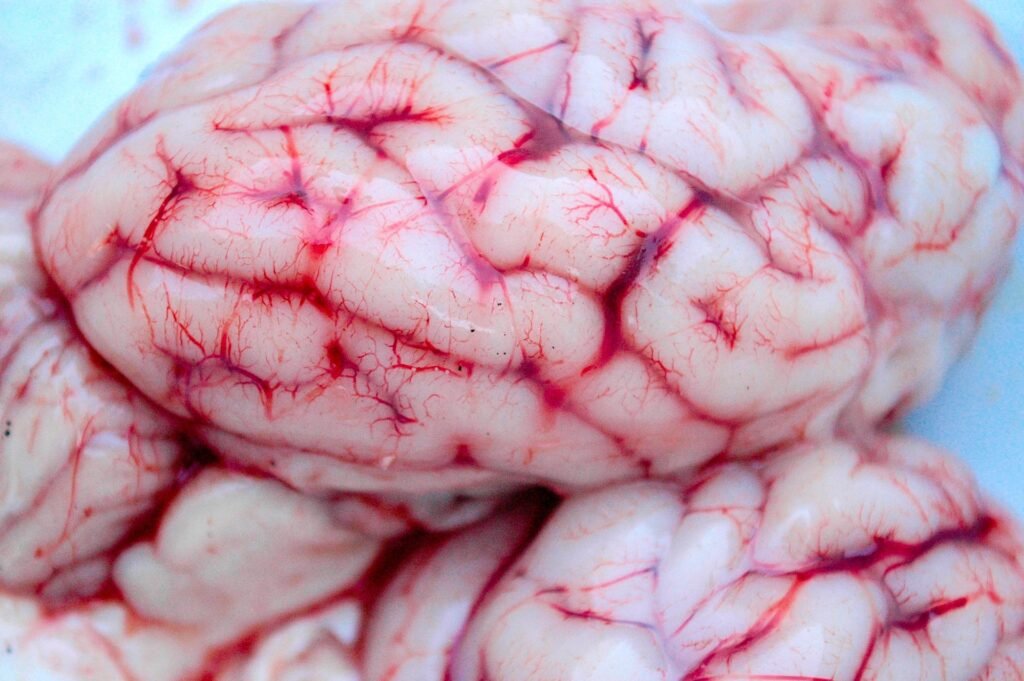
Healthy eating habits not only improve physical health but also bring about a sense of satisfaction and accomplishment. Making the effort to nourish your body with wholesome foods creates a positive feedback loop that promotes mental peace. Here are some psychological benefits of healthy eating:
- Improved Mood: Consuming nutrient-dense foods helps in the production of neurotransmitters like serotonin and dopamine, which are responsible for feelings of happiness and relaxation.
- Reduced Stress: A balanced diet helps regulate stress hormones, reducing feelings of anxiety and overwhelm.
- Better Focus and Productivity: Proper nutrition enhances cognitive function, allowing you to stay focused and perform better in daily tasks.
- Increased Self-Esteem: Taking care of your body through healthy eating fosters a sense of self-respect and confidence, contributing to overall mental peace.
- Enhanced Resilience: A healthy body is better equipped to handle stress, illness, and other challenges, making it easier to maintain a calm and peaceful state of mind.
Overcoming Challenges to Healthy Eating

While the benefits of healthy eating are clear, adopting and maintaining these habits can be challenging. Here are some tips to overcome common obstacles:
- Time Constraints: Many people struggle to find time for meal preparation. Opt for simple, quick recipes and meal-prepping techniques to save time during the week.
- Budget Concerns: Healthy eating does not have to be expensive. Focus on affordable options like seasonal fruits and vegetables, grains, and legumes.
- Cravings for Unhealthy Foods: Instead of completely eliminating treats, practice moderation. Enjoy your favorite foods occasionally and in small portions.
- Lack of Knowledge: Educate yourself about nutrition and healthy recipes. There are plenty of resources, including books, websites, and apps, that can provide guidance.
- Social Pressures: It can be challenging to stick to healthy eating habits in social settings. Communicate your goals to friends and family and make mindful choices when dining out.
Conclusion

Mental peace is a priceless state that we all strive to achieve, and staying healthy is one of the most effective ways to attain it. Healthy eating habits play a crucial role in maintaining physical health, which directly impacts mental well-being. By nourishing our bodies with wholesome foods, we fuel our minds with the energy and nutrients needed to stay calm, focused, and resilient.
While poor eating habits can lead to a host of physical and mental issues, adopting a balanced diet can promote emotional stability, reduce stress, and enhance overall quality of life. The journey to mental peace begins with small but consistent steps toward healthier eating habits. By making mindful choices about what we consume, we can create a strong foundation for both physical and mental health, paving the way for a more peaceful and fulfilling life.
Let us remember that food is not just fuel for the body; it is medicine for the mind. By prioritizing healthy eating habits, we can unlock the door to lasting mental peace.