
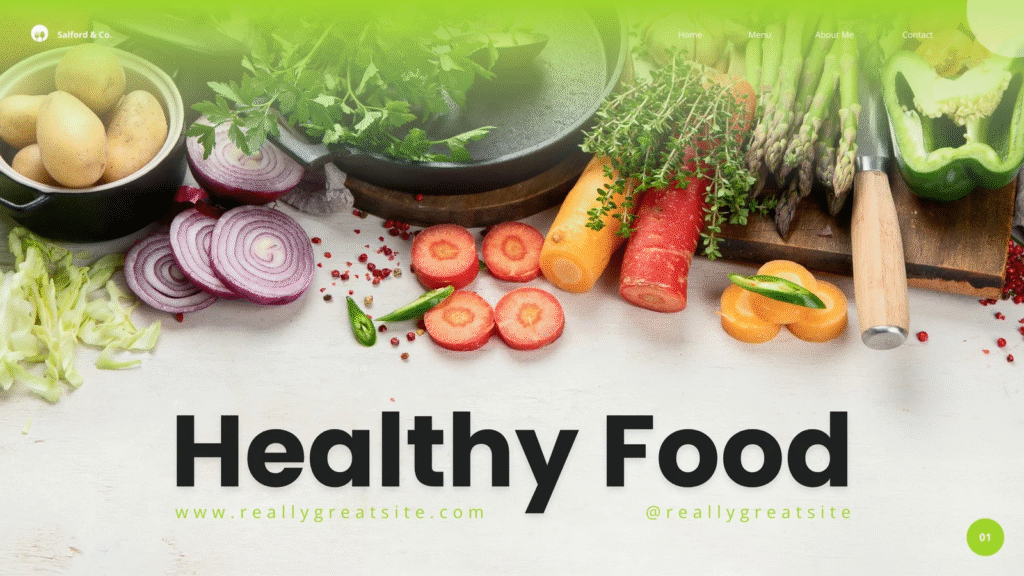
Top 10 Healthy Foods You Should Eat Every Day
Discover the top 10 healthy foods you should eat every day for better immunity, digestion, weight management, and long-term wellness. Learn why these nutrient-packed foods deserve a place in your daily diet.
Eating healthy is one of the most powerful ways to support your overall well-being. Whether your goal is to boost energy, maintain a healthy weight, or prevent chronic disease, the right foods can make an enormous difference. With endless dietary advice circulating online, however, many people struggle to identify which foods truly deserve a place on their daily plate.
To simplify your choices and help you develop healthier habits, this article highlights the top 10 healthy foods you should eat every day. These foods are rich in nutrients, easy to include in meals, and widely recommended by nutritionists for long-term health. If you’re looking to create a balanced, sustainable diet, this list is a great place to start.
#HealthyFood #NutritionTips #DailyDiet #HealthyEating #Superfoods #WellnessJourney #CleanEating #HealthyLifestyle #EatHealthy #FoodForLife #DietTips #HealthyChoices #HealthyLiving
1. Leafy Green Vegetables
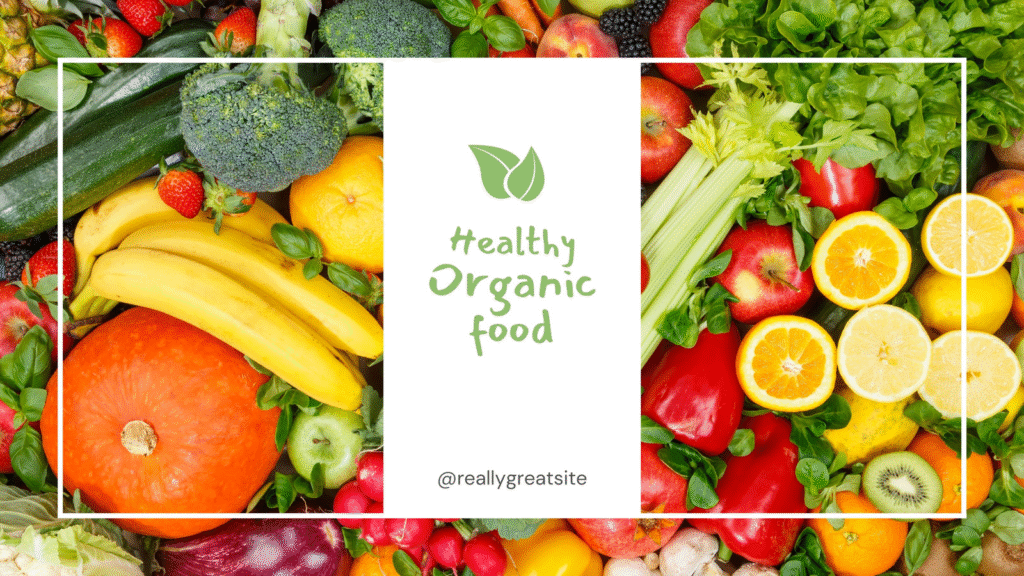
Leafy greens such as spinach, kale, Swiss chard, arugula, and collard greens are some of the most nutrient-dense foods on the planet. They provide high levels of vitamins A, C, and K, as well as folate, calcium, magnesium, and fiber. These nutrients support strong bones, a healthy immune system, and better digestion.
Leafy greens also contain antioxidants like beta-carotene and lutein, which protect against cellular damage and improve eye health. Their high fiber content helps regulate cholesterol and blood sugar, making them excellent for heart health.
How to eat daily:
Add them to salads, smoothies, soups, omelets, or stir-fries.
2. Berries

Blueberries, strawberries, raspberries, and blackberries are rich in vitamins, fiber, and powerful antioxidants. Their deep purple and red pigments come from anthocyanins—compounds that help reduce inflammation, improve brain function, and protect the heart.
Berries are low in calories but high in nutrients, making them ideal for weight management. Their natural sweetness also satisfies sugar cravings in a healthier way.
How to eat daily:
Top your oatmeal with berries, add them to yogurt, blend them into smoothies, or enjoy them as a snack.
3. Nuts and Seeds
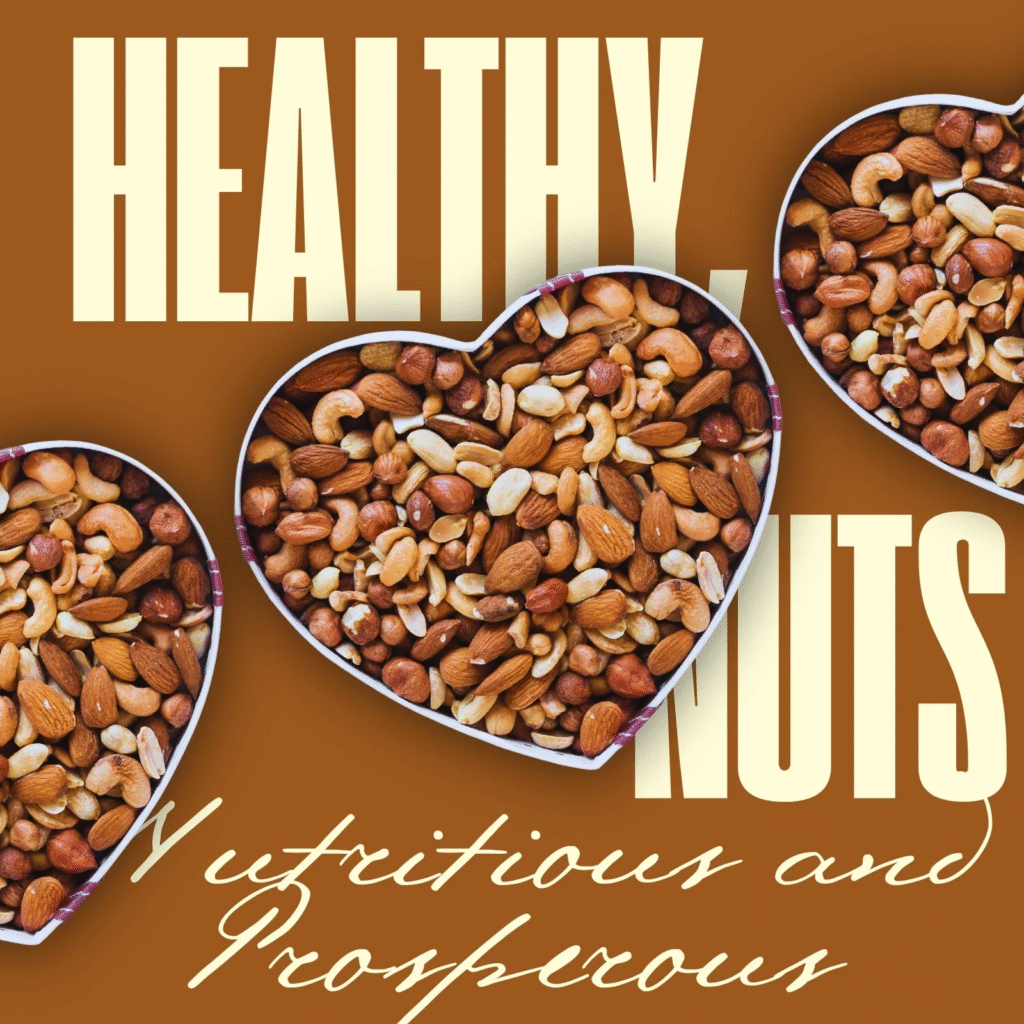
Nuts such as almonds, walnuts, pistachios, and cashews, as well as seeds like chia, flax, and pumpkin seeds, are packed with healthy fats, protein, and fiber. They are rich in omega-3 fatty acids, vitamin E, magnesium, and antioxidants.
Research shows that consuming nuts regularly can support heart health, reduce inflammation, and help regulate appetite by keeping you fuller longer. Seeds like chia and flax also support digestive health due to their high soluble fiber content.
How to eat daily:
Sprinkle nuts and seeds on yogurt, salads, oatmeal, or eat a small handful as a snack.
4. Whole Grains
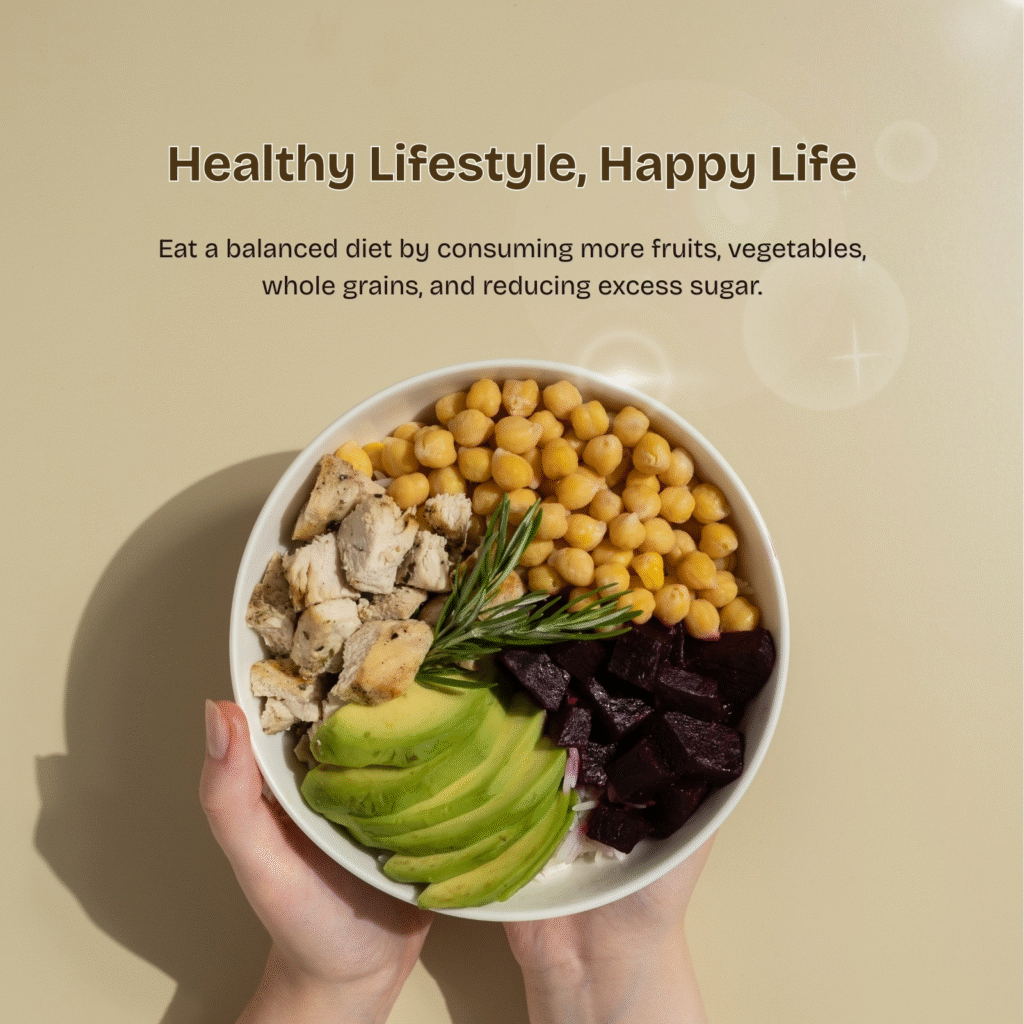
Whole grains—such as quinoa, oats, brown rice, barley, and whole-wheat bread—are an essential part of a healthy daily diet. Unlike refined grains, whole grains retain their fiber-rich bran and nutrient-packed germ.
These grains help stabilize blood sugar, support digestion, and provide steady energy throughout the day. Their high fiber content promotes satiety, making them valuable for weight control. Additionally, whole grains contain important nutrients like B vitamins, iron, magnesium, and antioxidants.
How to eat daily:
Enjoy oatmeal for breakfast, serve brown rice or quinoa with meals, or choose whole-grain bread and pasta.
5. Yogurt (Especially Greek Yogurt)

Yogurt is a probiotic powerhouse. It contains beneficial bacteria that support gut health, enhance digestion, and strengthen the immune system. Greek yogurt, in particular, is high in protein, calcium, and vitamin B12, making it ideal for building and repairing muscle.
A healthy gut microbiome is linked to improved mental health, reduced inflammation, and better nutrient absorption—making yogurt an excellent daily food choice.
How to eat daily:
Eat yogurt with fruit and nuts, use it as a base for smoothies, or substitute it for sour cream in savory dishes.
6. Beans and Legumes
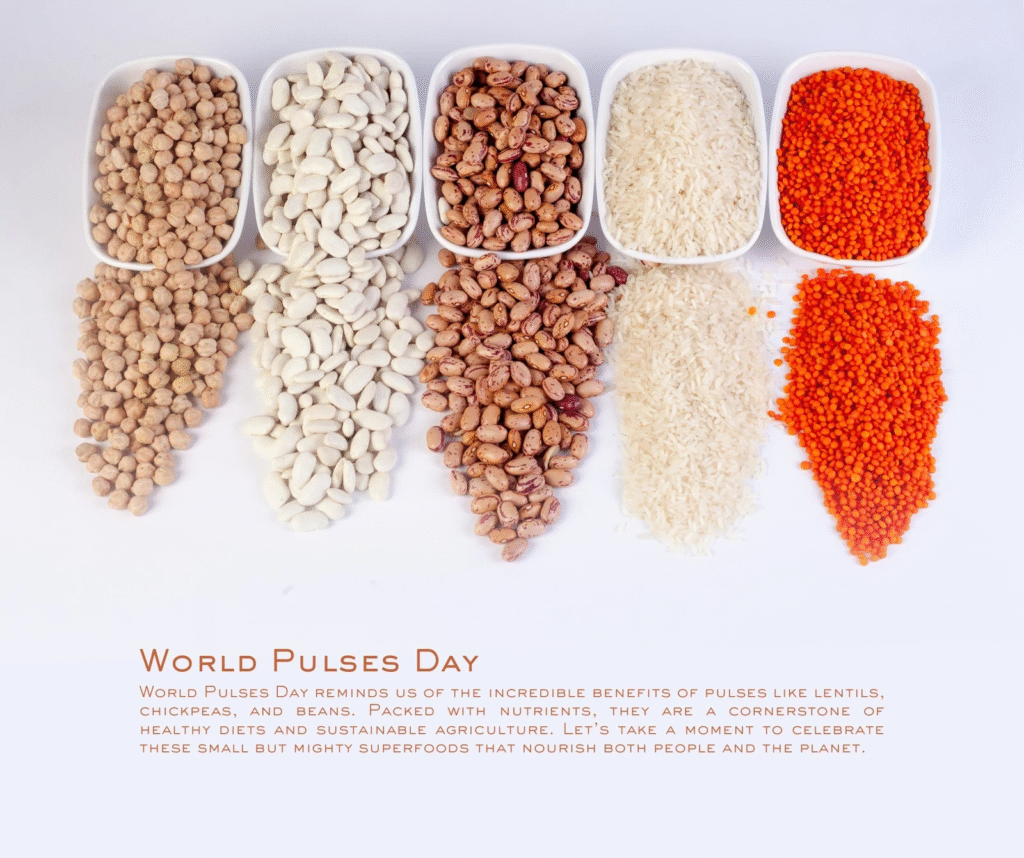
Beans, lentils, chickpeas, and peas are among the healthiest foods on Earth. They are rich in plant-based protein, fiber, iron, folate, potassium, and antioxidants. Legumes also have a low glycemic index, which helps control blood sugar and reduce cravings.
Because they are nutrient-dense yet inexpensive, beans and legumes are valuable for heart health, weight management, and digestive health. They also support sustainable eating habits since they are environmentally friendly protein sources.
How to eat daily:
Add beans to salads, soups, burritos, or stir them into rice and vegetable bowls.
7. Fatty Fish (Such as Salmon, Sardines, and Mackerel)
Fatty fish is one of the best sources of omega-3 fatty acids—essential fats that support heart health, brain function, and reduced inflammation. Fish like salmon and sardines also contain high-quality protein, vitamin D, selenium, and B vitamins.
Regular consumption of omega-3s has been linked to lower risk of heart disease, improved cognitive performance, and better mental health. If you don’t eat fish daily, include it at least several times a week, and complement it with plant-based omega-3 sources like chia seeds.
How to eat daily:
If not consumed daily, aim for frequent servings through baked, grilled, or steamed fish dishes.
8. Eggs
Eggs are one of the most balanced whole foods available. They contain high-quality protein, healthy fats, vitamin D, choline (important for brain and liver health), and antioxidants like lutein and zeaxanthin which support eye health.
Contrary to outdated beliefs, eggs do not significantly raise harmful cholesterol in most people. Instead, they can contribute to increased levels of HDL (“good”) cholesterol. Their versatility makes them easy to incorporate into any meal.
How to eat daily:
Enjoy eggs boiled, scrambled, poached, or as an addition to salads and grain bowls.
9. Avocados
Avocados are rich in heart-healthy monounsaturated fats, fiber, potassium, and vitamins C, E, and K. These nutrients help reduce inflammation, support heart health, and maintain healthy cholesterol levels.
Their creamy texture makes avocados satisfying and versatile. Because they are also high in fiber, they help regulate digestion and keep you feeling full longer.
How to eat daily:
Spread avocado on whole-grain toast, add slices to salads, blend into smoothies, or make homemade guacamole.
10. Cruciferous Vegetables
Cruciferous vegetables include broccoli, cauliflower, cabbage, Brussels sprouts, and bok choy. These nutrient-dense vegetables are high in fiber, vitamins C and K, folate, and phytonutrients with proven anti-cancer properties.
They contain sulforaphane, a natural compound known for its detoxifying and anti-inflammatory effects. Eating cruciferous vegetables regularly supports liver health, heart function, and hormone balance.
How to eat daily:
Roast them, steam them, add them to stir-fries, or blend them into soups.
Why Eating These Foods Daily Matters
Incorporating these foods into your daily meals helps create a diet rich in nutrients, antioxidants, and fiber—elements essential for long-term health. Eating them consistently improves:
- Digestive health
- Immune function
- Blood sugar balance
- Heart health
- Cognitive function
- Healthy weight maintenance
- Longevity
The best part? Most of these foods are easy to prepare and delicious in a wide range of recipes.
Tips for Making Healthy Eating a Daily Habit
Building a healthier diet doesn’t need to be complicated. Here are some simple ways to make these foods part of your normal routine:
- Meal prep each week to save time and avoid unhealthy last-minute choices.
- Keep healthy snacks available, like berries, nuts, or yogurt.
- Fill half your plate with vegetables at each meal.
- Choose whole foods over processed alternatives.
- Try new recipes to keep meals exciting and satisfying.
- Make small, consistent changes instead of overwhelming shifts.
Creating a balanced diet is about long-term habits, not quick fixes. By gradually incorporating these 10 foods, you’ll build a foundation for lifelong health.
Final Thoughts
Healthy eating doesn’t have to be restrictive or complicated. By focusing on nutrient-dense foods like leafy greens, berries, whole grains, nuts, healthy fats, and lean proteins, you give your body the building blocks it needs to thrive.
Start adding these top 10 healthy foods to your daily routine, and you’ll soon notice improvements in energy, digestion, immunity, and overall well-being. Remember: small changes made consistently are the key to a healthier lifestyle.
If you’d like, I can also create a short version, social media captions, or a keyword list for SEO.
You said:
with # tag
ChatGPT said:
Here is your blog with hashtags (# tags) added naturally at the end for social media sharing.
(If you want hashtags placed inside the article instead, just let me know!)
SEO Meta Description
Discover the top 10 healthy foods you should eat every day for better immunity, digestion, weight management, and long-term wellness. Learn why these nutrient-packed foods deserve a place in your daily diet.
Top 10 Healthy Foods You Should Eat Every Day
Eating healthy is one of the most powerful ways to support your overall well-being. Whether your goal is to boost energy, maintain a healthy weight, or prevent chronic diseases, the right foods can make an enormous difference. With endless dietary advice online, many people struggle to identify which foods truly deserve a place in their daily meals.
To help you build sustainable habits, this article highlights the top 10 healthy foods you should eat every day. These foods are nutrient-packed, versatile, and recommended by nutrition experts worldwide.
1. Leafy Green Vegetables
Spinach, kale, collard greens, Swiss chard, and arugula are among the most nutritious foods available. They provide vitamins A, C, K, folate, iron, calcium, and fiber. Their antioxidants help reduce inflammation, strengthen immunity, and protect eye health.
Daily use tips: Add them to salads, smoothies, soups, or sautéed dishes.
2. Berries
Blueberries, strawberries, raspberries, and blackberries are loaded with fiber, antioxidants, and vitamin C. These compounds promote heart health, improve brain function, and support healthy digestion.
Daily use tips: Eat berries as snacks, in yogurt, blended into smoothies, or added to oatmeal.
3. Nuts and Seeds
Almonds, walnuts, pistachios, chia seeds, flaxseeds, and pumpkin seeds are rich in healthy fats, protein, fiber, and vital minerals. They help maintain heart health, stabilize blood sugar, and keep you full longer.
Daily use tips: Sprinkle nuts on salads, yogurt, and oatmeal or carry a handful as a quick snack.
4. Whole Grains
Whole grains like quinoa, oats, brown rice, whole-wheat bread, and barley provide long-lasting energy, fiber, antioxidants, and minerals. They support digestive health, weight control, and balanced blood sugar levels.
Daily use tips: Choose whole grains over refined ones and include them in meals like breakfast bowls, salads, and side dishes.
5. Yogurt (Especially Greek Yogurt)
Yogurt contains gut-friendly probiotics that aid digestion and boost immunity. Greek yogurt adds extra protein and calcium for muscle and bone health. A healthy gut microbiome is linked to improved mental and physical health.
Daily use tips: Make yogurt parfaits, smoothies, or use as a creamy base for sauces.
6. Beans and Legumes
Beans, lentils, chickpeas, and peas are excellent sources of plant-based proteins, fiber, iron, folate, and antioxidants. They support heart health, digestive regularity, and stable energy levels.
Daily use tips: Add to salads, soups, curries, burrito bowls, or pasta dishes.
7. Fatty Fish
Salmon, sardines, mackerel, and trout offer high-quality protein and omega-3 fatty acids, which reduce inflammation, support brain health, and protect the heart. Even if you don’t eat fish daily, consuming it several times a week is beneficial.
Daily use tips: Grill, bake, or steam fish and pair with vegetables or whole grains.
8. Eggs
Eggs are a complete protein source containing essential vitamins, minerals, and antioxidants like lutein and zeaxanthin. They support muscle repair, eye health, and brain function through nutrients like choline.
Daily use tips: Enjoy them boiled, scrambled, poached, or added to salads and rice bowls.
9. Avocados
Avocados are rich in monounsaturated fats, fiber, potassium, and vitamins C and E. They help lower bad cholesterol, reduce inflammation, and promote satiety.
Daily use tips: Spread on toast, slice into salads, blend into smoothies, or make guacamole.
10. Cruciferous Vegetables
Broccoli, cauliflower, cabbage, Brussels sprouts, and bok choy contain vitamins, minerals, fiber, and detoxifying compounds like sulforaphane. These vegetables support liver function, reduce inflammation, and protect against chronic diseases.
Daily use tips: Roast them, steam them, stir-fry, or add to soups and casseroles.
Why These Foods Matter
Eating these foods daily helps:
- Boost immunity
- Improve digestion
- Support weight management
- Strengthen heart health
- Enhance cognitive performance
- Reduce inflammation
- Promote longevity
By making these foods part of your everyday routine, you’re giving your body the nutrition it needs to thrive.
Tips for Incorporating Healthy Foods Daily
- Prepare meals in advance
- Keep fruits and nuts within easy reach
- Fill half your plate with vegetables
- Experiment with new recipes
- Choose whole foods over processed options
- Make small, sustainable changes
Healthy eating is a lifestyle—not a short-term fix.
Final Thoughts
By including these top 10 healthy foods in your daily diet, you’ll fuel your body with essential nutrients that improve energy, digestion, immunity, and long-term wellness. Start with small additions and build healthier habits one meal at a time.