

What Causes Chest Pain and How to Cure It: A Comprehensive Guide
Chest pain can be caused by various factors ranging from minor issues like indigestion to serious heart conditions. In this blog, we explore the potential causes of chest pain and provide helpful tips on managing and curing it, from lifestyle changes to medical treatments.
Chest pain is one of the most common and alarming symptoms that people experience. While many cases are not life-threatening, chest pain can sometimes signal a serious underlying health issue that needs immediate attention. Understanding the potential causes of chest pain and how to manage and treat it is essential for maintaining your overall well-being. This blog will break down the different causes of chest pain and guide you on how to cure or alleviate it.
What Causes Chest Pain and How to Cure It: A Comprehensive Guide…
What is Chest Pain?
Chest pain refers to any discomfort or pain that you feel in the chest area. It can range from a mild discomfort to sharp, intense pain. The pain may also vary in duration—from lasting just a few seconds to lingering for hours or even longer. Chest pain is usually categorized into two types:
- Non-cardiac Chest Pain: This is pain that is not related to your heart and can often be caused by issues with your muscles, bones, or digestive system.
- Cardiac Chest Pain: This type of chest pain is linked to heart-related issues and can sometimes be a sign of a heart attack or other severe heart conditions.
In this blog, we will explore both non-cardiac and cardiac causes of chest pain, as well as how to manage and treat it.
What Causes Chest Pain and How to Cure It: A Comprehensive Guide…
Causes of Chest Pain
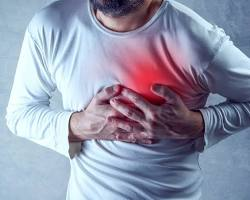
1. Heart-Related Causes
When chest pain is linked to your heart, it is often referred to as cardiac chest pain. This is the most serious type of chest pain and requires immediate medical attention. Some of the common heart-related causes include:
- Angina: Angina is a condition where the heart muscle doesn’t get enough oxygen-rich blood, leading to chest pain. Angina often occurs during physical activity or emotional stress, and the pain usually goes away with rest. While angina itself is not a heart attack, it can be a sign of an increased risk for one.
- Heart Attack (Myocardial Infarction): A heart attack occurs when blood flow to a part of the heart muscle is blocked, usually by a blood clot. This blockage causes the muscle to become damaged or die. Chest pain due to a heart attack is often sudden, severe, and accompanied by other symptoms like shortness of breath, nausea, sweating, or lightheadedness.
- Pericarditis: This is inflammation of the lining around the heart (the pericardium). It often causes sharp chest pain that may feel worse when you breathe deeply or cough. Pericarditis can be caused by infections, autoimmune diseases, or injury.
- Aortic Dissection: A rare but life-threatening condition, aortic dissection occurs when there is a tear in the inner layer of the aorta (the large artery carrying blood from the heart). This condition leads to severe chest pain, often described as a tearing or ripping sensation. Immediate medical attention is required.
- What Causes Chest Pain and How to Cure It: A Comprehensive Guide…
2. Gastrointestinal Causes
Gastrointestinal issues are a common cause of non-cardiac chest pain. Some of the conditions that can lead to chest pain related to the digestive system include:
- Acid Reflux (GERD): Gastroesophageal reflux disease (GERD) is a condition where stomach acid flows backward into the esophagus, causing a burning sensation in the chest, commonly referred to as heartburn. This can cause discomfort that mimics heart-related chest pain.
- Esophageal Spasm: These are abnormal contractions of the muscles in the esophagus, the tube that carries food from your mouth to your stomach. Esophageal spasms can cause chest pain that feels similar to a heart attack. In some cases, they may be triggered by stress, spicy foods, or acid reflux.
- Gallbladder Issues: Problems with the gallbladder, such as gallstones or inflammation (cholecystitis), can also cause pain in the chest. The pain may radiate to the upper abdomen or the back and can often be triggered by eating fatty foods.
3. Musculoskeletal Causes
Chest pain can also arise from musculoskeletal issues. This type of pain is typically less severe but can still be very uncomfortable. Some causes include:
- Costochondritis: This is the inflammation of the cartilage where the ribs attach to the breastbone (sternum). The pain is often sharp and can worsen with certain movements, such as breathing deeply or coughing.
- Muscle Strain: If you’ve overexerted yourself or injured the muscles in your chest, this can lead to soreness and pain. This type of pain is typically localized and can be caused by activities like heavy lifting or intense physical exertion.
4. Lung-Related Causes
The lungs and respiratory system can also be responsible for chest pain. Conditions like:
- Pneumonia: An infection of the lungs, pneumonia can cause sharp, stabbing chest pain, especially when coughing or breathing deeply. It may also be accompanied by fever, fatigue, and shortness of breath.
- Pleuritis (Pleurisy): This condition involves inflammation of the pleura, the lining surrounding the lungs. It causes sharp chest pain that worsens with deep breathing or coughing.
- Pulmonary Embolism: A pulmonary embolism occurs when a blood clot travels to the lungs, blocking blood flow. This condition can cause sudden chest pain, shortness of breath, and even dizziness or fainting. A pulmonary embolism is a medical emergency and requires immediate treatment.
5. Psychological Causes
In some cases, stress, anxiety, and panic attacks can lead to chest pain. When you experience a panic attack, you may feel tightness or pressure in your chest, along with other symptoms such as rapid heartbeat, sweating, and a sense of impending doom. Although the chest pain is not due to a physical condition, it can still be alarming and may require treatment for anxiety or stress management.
How to Cure or Manage Chest Pain
The treatment for chest pain depends on its underlying cause. If you experience chest pain, it’s important to seek medical attention to determine the cause and receive the appropriate treatment. However, here are some general guidelines for managing chest pain based on different causes:
1. For Heart-Related Pain
- Seek Immediate Medical Help: If you suspect that your chest pain is related to your heart, such as a heart attack or angina, it’s crucial to call emergency services immediately. The faster you receive medical attention, the better the chances for a successful outcome.
- Medications: For conditions like angina, doctors may prescribe medications like nitrates or beta-blockers to reduce pain and improve blood flow. In the case of a heart attack, blood thinners or clot-busting medications may be used.
2. For Gastrointestinal Causes
- Antacids and Acid Blockers: For acid reflux or GERD, over-the-counter antacids or proton pump inhibitors (PPIs) can help reduce stomach acid and alleviate chest pain. Lifestyle changes like avoiding spicy foods and eating smaller, more frequent meals can also help manage symptoms.
- Manage Stress: For esophageal spasms, stress management techniques like deep breathing exercises or yoga can be beneficial. Avoiding large meals and eating slowly can also reduce symptoms.
3. For Musculoskeletal Pain
- Rest and Ice/Heat: If the chest pain is due to a muscle strain or costochondritis, rest is important. Applying ice to the affected area can reduce inflammation, while heat may help with muscle relaxation.
- Pain Relief: Over-the-counter pain medications like ibuprofen or acetaminophen can be used to relieve pain and inflammation.
4. For Lung-Related Pain
- Antibiotics or Antiviral Medications: If pneumonia or pleuritis is causing the chest pain, your doctor may prescribe antibiotics (for bacterial infections) or antiviral medications (for viral infections).
- Oxygen Therapy: In cases of pulmonary embolism, you may require oxygen therapy or even surgery to remove the clot.
5. For Psychological Causes
- Cognitive Behavioral Therapy (CBT): If anxiety or panic attacks are causing chest pain, therapy such as CBT can be effective in managing and reducing anxiety.
- Relaxation Techniques: Deep breathing exercises, meditation, and regular physical activity can help alleviate anxiety and prevent panic attacks.
Conclusion
Chest pain is a common but potentially serious symptom, with various causes ranging from heart-related issues to gastrointestinal, musculoskeletal, and psychological factors. If you experience chest pain, it’s essential to pay attention to other symptoms and seek medical advice to determine the cause. Early diagnosis and appropriate treatment are key to managing chest pain effectively. In many cases, simple lifestyle changes, medication, or therapy can help alleviate or cure the condition causing your discomfort.