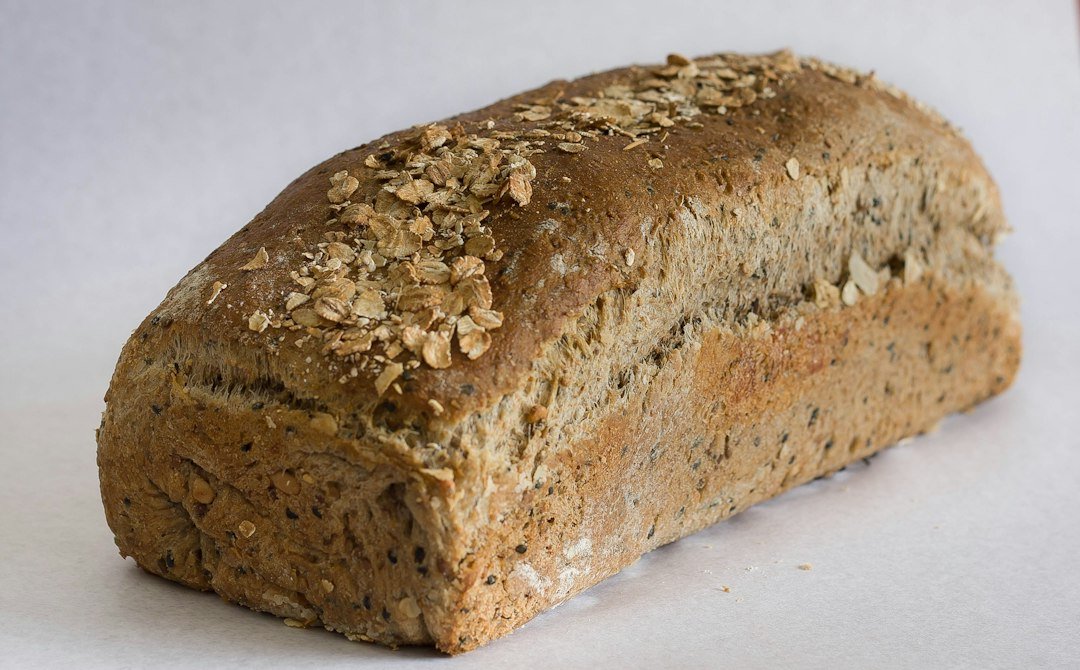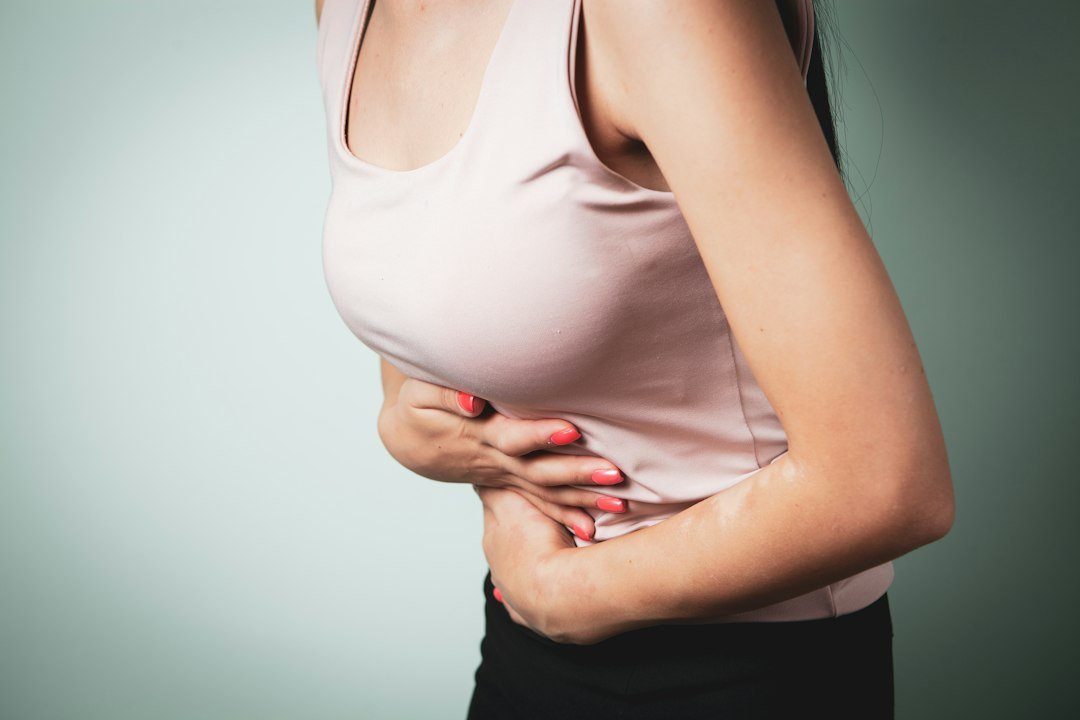
That tight, puffed-up feeling after a meal is something almost everyone knows. “Bloating” is one of the most common digestive complaints, and it is searched for constantly in the US, UK, Canada and Australia. For most people it is harmless and short-lived. It can still be uncomfortable, embarrassing and hard to explain. This guide covers what bloating is, the most common causes, practical ways to ease it, and the warning signs that mean you should talk to a doctor.
What is bloating?
Bloating is the sensation of a full, tight or swollen stomach. Mayo Clinic explains that this feeling is different from distension, which is a measurable increase in the size of your belly. Both can happen together, but you can feel bloated without looking any bigger. The NHS says the most common cause is a build-up of gas in the gut. Interestingly, Mayo Clinic notes that the link between bloating and intestinal gas is not fully understood, and many people with bloating do not have more gas than other people. Some people may simply be more sensitive to normal amounts of gas in the gut.
Common causes of bloating
Several everyday habits and conditions can lead to a bloated stomach. According to the NHS, Mayo Clinic and MedlinePlus, the main ones are:
- Swallowing air. Eating or drinking quickly, talking while eating, chewing gum, sucking hard sweets, smoking and drinking fizzy drinks all send extra air into your digestive system.
- Gas-producing foods. Beans, lentils, peas, cabbage, onions, broccoli, cauliflower and some fruits can cause gas as bacteria in the gut ferment them.
- Constipation. When food moves slowly, it has more time to ferment. If this is a regular problem, see our guide to constipation relief.
- Food intolerances. Lactose and fructose intolerance are common examples. Coeliac disease can also cause bloating.
- Irritable bowel syndrome (IBS). Bloating is a hallmark symptom, and people with IBS may be more sensitive to gut sensations.
- Acid reflux. Reflux can increase air swallowing. Our post on acid reflux and heartburn explains the triggers.
- Overeating and weight gain. Large meals stretch the stomach, and MedlinePlus lists overeating and weight gain among common causes.
- Hormonal changes. The NHS notes that some people feel bloated around their period.
Less commonly, MedlinePlus lists small bowel bacterial overgrowth, pancreatic insufficiency (when the pancreas does not make enough digestive enzymes), fluid build-up in the abdomen and some cancers, including ovarian cancer. These are rare, but they are the reason persistent bloating should never be ignored.
Foods and drinks that often make it worse
Everyone reacts differently, but some foods are frequent culprits. Mayo Clinic lists beans, peas, lentils, cabbage, onions, broccoli, cauliflower, whole grains, mushrooms and certain fruits, along with beer and other carbonated drinks. Sugar alcohols such as sorbitol, mannitol and xylitol, which are found in many sugar-free sweets and gums, can also cause gas. Fatty foods slow digestion, so a rich meal may leave you feeling full and puffy for longer. Dairy is a trigger if you are lactose intolerant.
The NHS also suggests limiting alcohol, caffeine, and processed, sugary, spicy or fatty foods, and avoiding large meals late at night. Remove one suspect food at a time rather than cutting out everything at once, and keep a simple food diary to spot patterns.
How to ease bloating
For most people, small changes help. These tips come from the NHS, Mayo Clinic and MedlinePlus:
- Eat and drink slowly. Relax at meals, chew with your mouth closed and sit upright rather than slouching.
- Choose smaller, more frequent meals instead of a few large ones.
- Cut back on fizzy drinks, chewing gum and hard sweets. These add air to your digestive system. If you smoke, stopping helps.
- Take a short walk after eating. Mayo Clinic suggests this, and the NHS notes that regular exercise aids digestion.
- Drink plenty of water. Our guide on how much water to drink can help you set a daily target.
- Massage your stomach. The NHS suggests gentle massage from right to left to help release trapped wind.
- Adjust your fibre carefully. If you are constipated, the NHS recommends soluble fibre such as oats or linseed. MedlinePlus adds that insoluble fibre such as bran can worsen bloating, while soluble fibre such as psyllium is usually better tolerated. Mayo Clinic suggests that if high-fibre foods are the trigger, cut back temporarily and then reintroduce them slowly.
Do over-the-counter remedies work?
Pharmacies sell several products for gas and bloating, and the evidence varies. The NHS says a pharmacist can advise on simeticone, which may ease bloating, and on laxatives if constipation is the cause. Mayo Clinic points out that simethicone products such as Gas-X are not proven to help, although many people feel they do. Lactase supplements can help people who are lactose intolerant digest dairy. If you take regular medication or are pregnant, ask a pharmacist what is suitable.
Could it be a food intolerance? The low-FODMAP approach
If bloating keeps coming back, fermentable carbohydrates may be to blame. MedlinePlus names lactose and “FODMAPs”, a group that includes fructose, as common triggers, and recommends a low-FODMAP diet as one option. This works best with a dietitian, because it involves removing food groups briefly and then reintroducing them to find your triggers. The NHS says a GP can refer you to a dietitian if general diet changes are not helping.
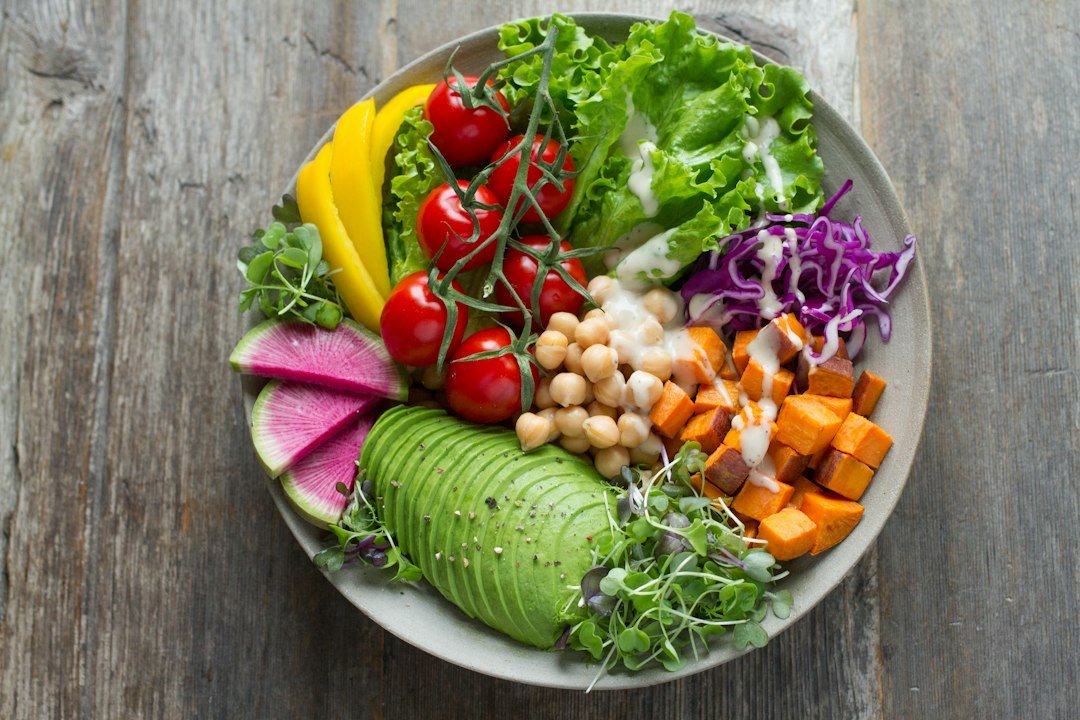
Regular meal times and a balanced plate also support digestion; see our balanced diet guide, and add fibre gradually, as a sudden jump can increase gas. Gentle daily walking is easy to fit in after meals.

When to see a doctor
Occasional bloating after a big meal is rarely a worry. The NHS advises seeing a GP if you feel bloated regularly, if you still feel bloated after changing your diet, or if bloating comes with unintentional weight loss or blood in your poo. Mayo Clinic and MedlinePlus add that you should also get checked if you have diarrhoea, persistent or severe belly pain, vomiting, changes in stool colour or frequency, dark or tarry stools, worsening heartburn, loss of appetite or feeling full quickly.
Get urgent help if:
- Bloating comes with a stomach ache, vomiting, diarrhoea or constipation. The NHS says to get an urgent GP appointment or call 111.
- You have a high temperature, or feel hot, cold or shivery.
- You notice a swelling or lump in your tummy.
- You cannot pee, poo or pass wind.
- You have a swollen stomach with a sudden, severe stomach ache, vomiting blood (or vomit that looks like ground coffee), or severe difficulty breathing. The NHS says to call 999 or go to A&E, and not to drive yourself.
The NHS also warns that bloating that does not go away can occasionally signal something more serious, such as ovarian cancer, so persistent symptoms deserve a check. Treatment is often not needed, and when it is, it depends on the cause. A doctor may arrange tests or refer you to a specialist.
The bottom line
Bloating is common, and most of the time it comes down to swallowed air, certain foods or sluggish digestion. Eat slowly, move after meals, limit fizzy drinks and your personal trigger foods, and treat constipation. If symptoms are frequent, last for weeks, or come with red-flag signs such as weight loss, blood in the stool, vomiting or severe pain, do not wait. See a healthcare professional for a proper diagnosis.
This article is for general information and is not medical advice. Please read our Medical Disclaimer and talk to a qualified professional about your own symptoms and treatment.