
That burning feeling behind your breastbone after a big meal is one of the most familiar discomforts in the world. “Acid reflux symptoms” and “how to stop heartburn” are searched constantly in the US, UK, Canada and Australia, and for good reason: almost everyone has felt it at least once. For most people it is occasional and easy to manage. For others it becomes a regular problem that needs medical attention. This guide explains what reflux is, what triggers it, what really helps, and when heartburn is more than a nuisance.
What are heartburn and acid reflux?
Acid reflux happens when stomach acid flows back up into the oesophagus (the tube between your mouth and stomach). Mayo Clinic explains that a ring of muscle at the bottom of the oesophagus, the lower oesophageal sphincter, normally relaxes to let food through and then tightens. When it does not work properly, acid escapes upward. Heartburn is the burning pain this causes. If it happens often and disrupts daily life, doctors call it gastro-oesophageal reflux disease, or GERD.
Common symptoms
According to Mayo Clinic and NHS 111 Wales, typical symptoms include:
- A burning pain in the middle of the chest, behind the breastbone, usually after eating and sometimes at night.
- Pain that gets worse when you lie down or bend over.
- A sour or bitter taste in the mouth.
- Less obvious signs such as a recurring cough or hiccups, a hoarse voice, bad breath, bloating and feeling sick.
What triggers reflux?
Triggers vary from person to person, but several turn up again and again. Mayo Clinic, NHS 111 Wales and the US National Institute of Diabetes and Digestive and Kidney Diseases (NIDDK) mention:
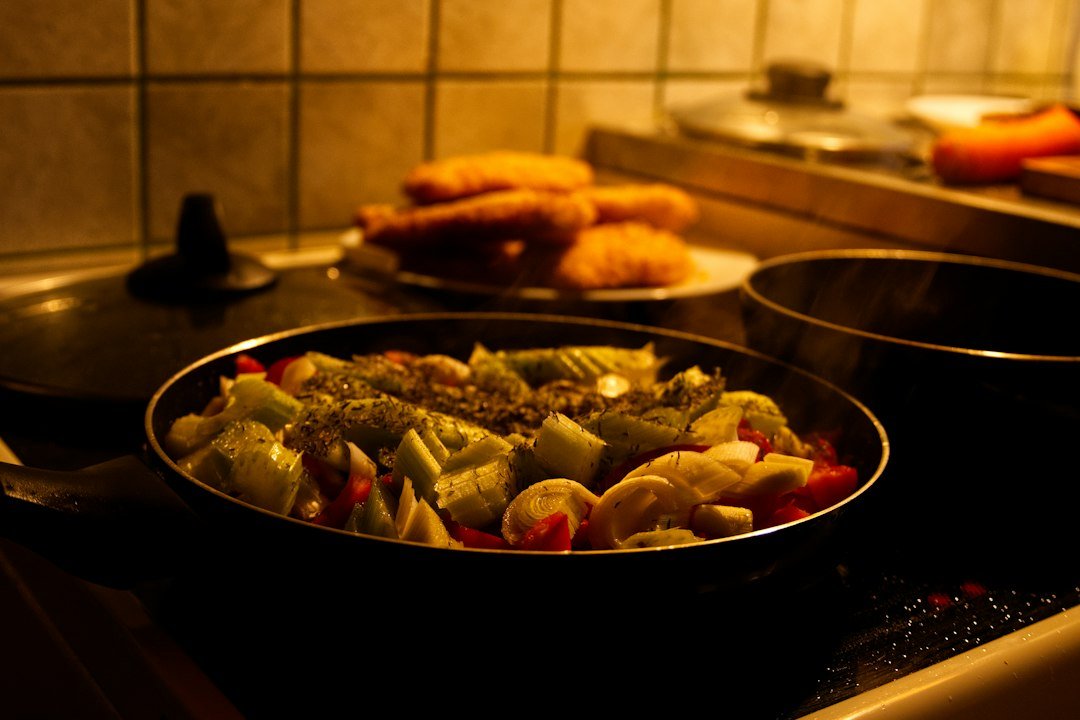
- Foods and drinks: spicy and fatty or fried food, large meals, tomatoes and citrus, onions, chocolate, mint, coffee, fizzy drinks and alcohol.
- Body and lifestyle factors: being overweight, smoking, pregnancy, and stress or anxiety.
- Medicines: NHS 111 Wales lists ibuprofen as one that can contribute.
- Medical conditions: a hiatus hernia, a stomach ulcer or a stomach infection.
NIDDK is careful to say that some people find these foods worsen their symptoms, not that everyone must avoid them. Often there is no obvious cause at all, so keeping a simple food and symptom diary is the best way to find your own triggers. If worry plays a part, our guide to anxiety symptoms and how to cope may help.
Lifestyle changes that help
For occasional heartburn, everyday habits are the first line of defence. The NHS and NIDDK suggest the following:
- Eat smaller, more frequent meals. A huge meal puts pressure on the stomach and the valve above it.
- Leave a gap before bed. NIDDK advises finishing meals at least three hours before lying down. NHS 111 Wales says three to four hours.
- Raise the head of your bed. NHS 111 Wales suggests lifting it by 10 to 20 cm using blocks or books, and NIDDK suggests 6 to 8 inches using a foam wedge. Stacking extra pillows can make things worse because it bends you at the waist.
- Know your trigger foods. Cut back on the ones that clearly set you off, and limit alcohol.
- Stop smoking. It is on both the NHS and NIDDK lists.
- Manage your weight. If you are overweight, losing weight can reduce reflux. Our post on metabolic health is a useful starting point.
- Avoid tight clothing around the waist. It squeezes the stomach.
- Find ways to relax. Stress can make symptoms feel worse. Try box breathing or a short walk after meals.
You do not need to make every change at once. Pick the two or three that fit your life, such as an earlier dinner and a raised bed head, and give them a couple of weeks. Small, steady changes are easier to keep, and many people notice fewer flare-ups quite quickly.
What should you eat?
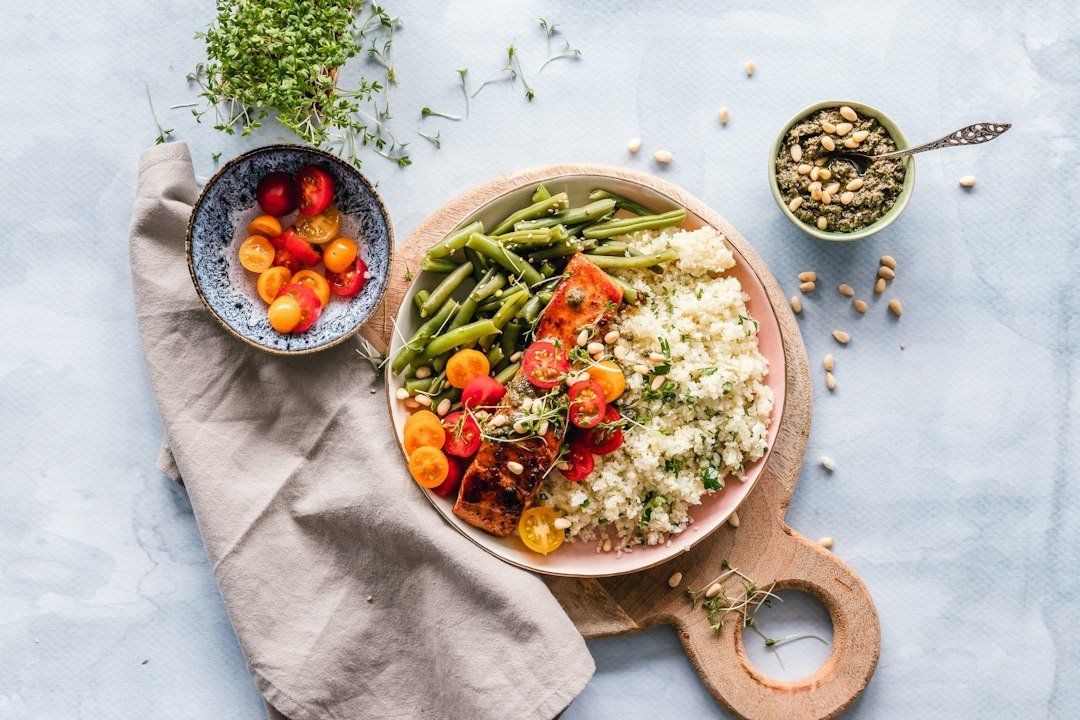
There is no single “reflux diet” that works for everyone, and NIDDK does not grade the evidence for specific foods. A sensible approach is to build meals around lean protein, vegetables and whole grains, and to cook with less fat. Grilled or baked fish, plain rice or quinoa and cooked vegetables are gentle choices for many people. High-fibre foods may also help digestion; see our list of high-fibre foods. Heavily processed, greasy meals are a common trigger, so our article on ultra-processed foods may be worth a read. Try eating your main meal earlier in the day, and see our breakfast ideas for lighter morning options.
Medicines for heartburn
Several treatments are available, and a pharmacist can help you choose:
- Antacids and alginates give quick, short-term relief. NHS 111 Wales advises taking them with food or soon after eating, and NIDDK warns against using antacids daily or for severe symptoms without a doctor’s advice.
- H2 blockers reduce stomach acid but are generally less effective than proton pump inhibitors.
- Proton pump inhibitors (PPIs) such as omeprazole or lansoprazole reduce acid more strongly and can heal the oesophageal lining in most people with GERD. NHS 111 Wales says a GP usually prescribes them for four or eight weeks at first. Side effects are uncommon, but NIDDK notes that long-term and high-dose effects are still being studied.
Do not stop a prescribed medicine without speaking to your doctor first. If medicines and lifestyle changes fail, a specialist may suggest tests such as a gastroscopy. Surgery, most commonly a procedure called fundoplication, is considered only when other treatments have not worked or when someone wants to stop taking medicine long term.

When heartburn needs a doctor
Occasional heartburn rarely signals anything serious, but Mayo Clinic says to see a doctor if:
- Heartburn happens more than twice a week.
- Symptoms continue despite over-the-counter medicines.
- You have difficulty swallowing, or food gets stuck in your throat.
- You have persistent nausea or vomiting.
- You are losing weight without trying, or have lost your appetite.
These matter because untreated GERD can damage the oesophagus. Mayo Clinic notes that over time it may lead to Barrett’s oesophagus, a precancerous change in the lining. That is rare, but it is the reason frequent heartburn should not be ignored. Good sleep also helps your digestion and overall health; read our guide to quality sleep.
Could it be your heart?
Chest pain has many causes, and heartburn can feel similar to a heart problem. Mayo Clinic says severe chest pain or pressure, especially with pain spreading to the arm or jaw, or with difficulty breathing, may signal a heart attack. Call your local emergency number straight away. If you are unsure, do not wait. Our article on what causes chest pain explains other possible causes.
The bottom line
Heartburn is common and usually manageable. Eat smaller meals, leave a few hours before bed, raise the head of your bed, avoid your personal triggers and keep a healthy weight. A pharmacist can suggest short-term relief. But if you get heartburn more than twice a week, or you notice warning signs such as trouble swallowing or weight loss, book an appointment. Effective treatment is available, and it can protect your oesophagus in the long run.
This article is for general information and is not medical advice. Please read our Medical Disclaimer and talk to a qualified professional about your own symptoms and treatment.