Learn what a balanced diet is, why it matters, and which foods to eat for better health. Discover essential nutrients, healthy food choices, portion guidance, and foods to limit.
What Is a Balanced Diet? A Complete Guide to Healthy Eating
A balanced diet provides your body with the essential nutrients, vitamins, minerals, protein, healthy fats, carbohydrates, and fiber it needs to stay healthy and function properly. Eating a variety of nutritious foods every day can support energy levels, healthy growth, immune function, heart health, and overall well-being.
What Is a Balanced Diet? A Complete Guide to Healthy Eating
A healthy diet does not mean completely avoiding the foods you enjoy. Instead, it means choosing nutrient-rich foods more often and limiting highly processed foods, added sugars, excess salt, and unhealthy fats.
What Is a Balanced Diet?
##What Is a Balanced Diet? A Complete Guide to Healthy Eating
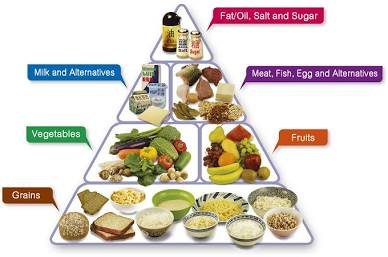
A balanced diet is an eating pattern that includes a variety of foods from different food groups in appropriate amounts. These foods provide the nutrients your body needs for energy, growth, tissue repair, and normal body functions.
The main components of a balanced diet include:
- Fruits
- Vegetables
- Whole grains
- Protein-rich foods
- Dairy or nutritious dairy alternatives
- Healthy fats
- Plenty of water
No single food can provide every nutrient your body needs. That is why variety is one of the most important principles of healthy eating.
Why Is a Balanced Diet Important?
Your body needs nutrients every day to maintain muscles, bones, organs, the immune system, and brain function. Poor nutrition can contribute to low energy and may increase the risk of several chronic health problems.
What Is a Balanced Diet? A Complete Guide to Healthy Eating
A balanced diet can help:
- Support a healthy immune system
- Maintain a healthy body weight
- Keep bones and muscles strong
- Support heart health
- Improve digestion
- Provide steady energy throughout the day
- Support healthy brain function
- Reduce the risk of nutrition-related health problems
- What Is a Balanced Diet? A Complete Guide to Healthy Eating
For children and teenagers, good nutrition is especially important because their bodies are still growing and developing.
How Many Calories Do You Need?
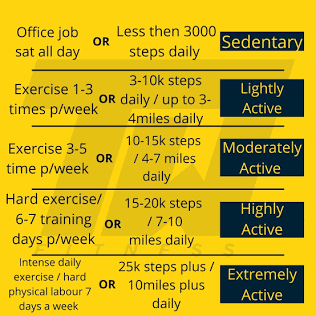
Calories provide the energy your body uses for activities such as walking, working, exercising, breathing, and maintaining normal body functions.
However, calorie requirements are different for everyone. Your needs depend on factors such as:
- Age
- Sex
- Body size
- Physical activity
- Metabolism
- Overall health
For this reason, there is no single calorie target that is appropriate for everyone. A physically active person generally needs more energy than someone who spends most of the day sitting.
What Is a Balanced Diet? A Complete Guide to Healthy Eating
More importantly, the quality of your calories matters. Foods such as vegetables, fruits, whole grains, beans, fish, eggs, and nuts provide calories along with important nutrients. Foods high in added sugar and unhealthy fats may provide many calories without offering much nutritional value.
The Main Food Groups of a Balanced Diet
1. Fruits
Fruits are naturally sweet and provide important nutrients such as vitamins, minerals, antioxidants, and dietary fiber.
Good choices include:
- Apples
- Bananas
- Oranges
- Berries
- Mangoes
- Guava
- Papaya
- Watermelon
Whole fruits are generally a better choice than fruit drinks because they contain fiber and are more filling.
If you have diabetes or another condition that affects blood sugar, your healthcare professional can help you determine appropriate portions and fruit choices.
What Is a Balanced Diet? A Complete Guide to Healthy Eating
2. Vegetables
Vegetables are an essential part of a healthy diet because they provide fiber, vitamins, minerals, and plant compounds that support overall health.
Try to eat vegetables of different colors throughout the week. Examples include:
- Spinach
- Broccoli
- Carrots
- Tomatoes
- Cauliflower
- Green beans
- Bell peppers
- Cabbage
- Pumpkin
Dark green vegetables are particularly nutrient-rich. You can add vegetables to soups, salads, curries, sandwiches, rice dishes, or omelets.
3. Whole Grains
Whole grains contain more of the naturally occurring parts of the grain than refined grains. They are generally richer in fiber and several nutrients.
Examples include:
- Brown rice
- Oats
- Whole-wheat bread
- Whole-grain pasta
- Barley
- Whole-grain cereals
Whenever possible, consider replacing some refined grains, such as white bread and highly refined flour products, with whole-grain alternatives.
4. Protein-Rich Foods
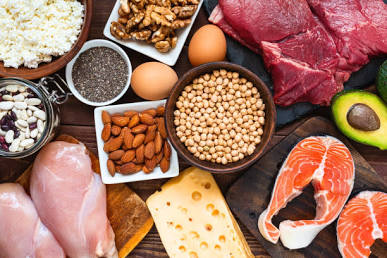
Protein is essential for maintaining and repairing body tissues. It is also important for muscles, skin, enzymes, hormones, and many other functions.
Healthy protein sources include:
Animal-based sources:
- Fish
- Chicken
- Eggs
- Lean meat
- Milk and yogurt
Plant-based sources:
- Lentils
- Beans
- Chickpeas
- Peas
- Tofu
- Nuts
- Seeds
Including a source of protein in your meals can also help you feel satisfied after eating.
5. Dairy and Dairy Alternatives
Milk, yogurt, and other dairy products can provide protein, calcium, and other nutrients important for bones and overall health.
If you do not consume dairy, you can choose fortified alternatives such as soy, oat, or almond beverages. Check nutrition labels because some plant-based products contain significant amounts of added sugar.
What Is a Balanced Diet? A Complete Guide to Healthy Eating
6. Healthy Fats
Your body needs fat for energy, cell function, and the absorption of certain vitamins. The key is to choose healthier sources and avoid excessive amounts.
Good sources of unsaturated fats include:
- Olive oil
- Avocados
- Nuts
- Seeds
- Fatty fish
Foods high in saturated fat should generally be consumed in moderation, while industrial trans fats should be avoided as much as possible.
What Foods Should You Limit?
A healthy diet does not require you to eliminate every less nutritious food. However, foods that are high in added sugar, salt, unhealthy fats, and calories should not make up a large part of your regular diet.
What Is a Balanced Diet? A Complete Guide to Healthy Eating
Try to limit:
- Sugary soft drinks
- Candy and sweets
- Cakes and cookies
- Deep-fried foods
- Chips
- Highly processed meats
- Highly refined grains
- Fast food
- Foods with excessive added salt
- Foods containing industrial trans fats
You can still enjoy your favorite foods occasionally while making nutritious foods the foundation of your diet.
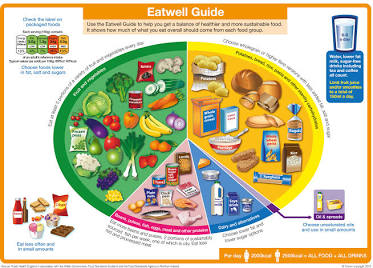
The Healthy Plate Method
One simple way to build a balanced meal is to think about your plate in sections.
A practical approach is:
- Half the plate: vegetables and fruits
- About one-quarter: whole grains or other nutritious carbohydrates
- About one-quarter: protein-rich foods
- Alongside the meal: dairy or a suitable alternative
- What Is a Balanced Diet? A Complete Guide to Healthy Eating
This method is easy to follow because you do not have to weigh every food or count every calorie.
What About Processed Foods?
Not all processed foods are unhealthy. Some foods are processed simply to make them safer, easier to store, or easier to prepare.
For example, frozen vegetables, canned beans, plain yogurt, and pasteurized milk can all be part of a healthy diet.
The bigger concern is highly processed foods that contain large amounts of added sugar, sodium, unhealthy fats, or refined ingredients.
Reading nutrition labels can help you make better choices.
Tips for Following a Balanced Diet
Building healthier eating habits does not have to be complicated. Start with small changes that you can maintain over time.
Eat More Fruits and Vegetables
Add fruit to breakfast, keep fresh fruit available for snacks, and include vegetables in lunch and dinner.
Choose Whole Grains More Often
What Is a Balanced Diet? A Complete Guide to Healthy Eating
Try brown rice, oats, whole-wheat bread, or other whole-grain foods instead of refined options.
Include Protein in Your Meals
Add fish, eggs, chicken, beans, lentils, or other protein-rich foods to your meals.
Drink More Water
Water is essential for normal body functions. Choose water more often instead of sugary soft drinks and other sugar-sweetened beverages.
What Is a Balanced Diet? A Complete Guide to Healthy Eating
Watch Portion Sizes
Even nutritious foods can contribute excess calories when eaten in very large portions. Pay attention to hunger and fullness cues and avoid routinely eating beyond fullness.
Reduce Added Sugar and Salt
Check food labels and limit foods and drinks that contain large amounts of added sugar or sodium.
Can a Vegetarian or Vegan Diet Be Balanced?
Yes. A vegetarian or vegan diet can provide many of the nutrients your body needs when it includes a wide variety of foods.
Plant-based protein sources include:
- Beans
- Lentils
- Chickpeas
- Tofu
- Tempeh
- Nuts
- Seeds
- Peas
People following a vegan diet should pay particular attention to nutrients such as vitamin B12, iron, calcium, vitamin D, iodine, and omega-3 fats. Depending on the individual diet and nutritional needs, fortified foods or supplements may be appropriate.
How Much Water Should You Drink?
Water is an important part of a healthy lifestyle. Your fluid needs can vary depending on temperature, physical activity, diet, age, and other factors.
Instead of relying on a single number for everyone, drink regularly throughout the day and pay attention to thirst. During hot weather or exercise, you may need more fluids.
A Simple Example of a Balanced Day
A healthy eating pattern could look something like this:
Breakfast: Oatmeal with fruit and a handful of nuts, plus milk or an unsweetened dairy alternative.
Lunch: Brown rice or whole-grain bread with grilled chicken or lentils and a large serving of vegetables.
Snack: Fresh fruit with yogurt or a small portion of nuts.
Dinner: Fish, beans, or lean chicken with vegetables and a moderate portion of whole grains or another nutritious carbohydrate.
This is only an example. Your ideal meals should reflect your nutritional needs, culture, preferences, budget, and health goals.
Final Thoughts
A balanced diet is not about following a perfect menu or completely eliminating your favorite foods. It is about creating healthy eating habits that provide your body with a wide range of essential nutrients.
What Is a Balanced Diet? A Complete Guide to Healthy Eating
Focus on eating plenty of fruits and vegetables, choosing whole grains, including healthy sources of protein and fats, drinking enough water, and limiting highly processed foods, added sugar, and excessive salt.
Most importantly, remember that nutritional needs differ from person to person. If you have a medical condition, food intolerance, specific weight goal, or other dietary concern, consider speaking with a qualified doctor or registered dietitian for personalized advice.
What Is a Balanced Diet? A Complete Guide to Healthy Eating
Healthy eating is not a short-term diet—it is a long-term lifestyle that can help support your health and well-being.