Discover why the latest weight loss trend focuses on metabolic health instead of calorie counting. Learn how balancing hormones, blood sugar, sleep, and nutrition can lead to sustainable fat loss and better overall health.
The New Weight Loss Trend: Why Metabolic Health
##The New Weight Loss Trend: Why Metabolic Health
The New Weight Loss Trend: Why Metabolic Health Matters More Than Counting Calories
For decades, weight loss advice followed one simple rule: eat fewer calories than you burn. From low-fat diets to strict meal plans, the focus was always on numbers. Calories in, calories out. But despite countless dieting apps, fitness trackers, and “miracle” plans, obesity and metabolic disorders continue to rise worldwide.
The New Weight Loss Trend: Why Metabolic Health Matters More Than Counting Calories..
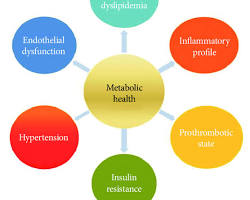
Now, a new approach is transforming the conversation around health and weight loss. Instead of obsessing over calorie counting, experts are shifting attention toward metabolic health — the body’s ability to efficiently convert food into energy, regulate hormones, maintain stable blood sugar, and support overall wellness.
This trend is not just another fad diet. It is rooted in science and focuses on long-term health rather than quick fixes. People are beginning to understand that sustainable weight loss is about improving how the body functions, not simply reducing food intake.
The New Weight Loss Trend: Why Metabolic Health Matters More Than Counting Calories…
What Is Metabolic Health?
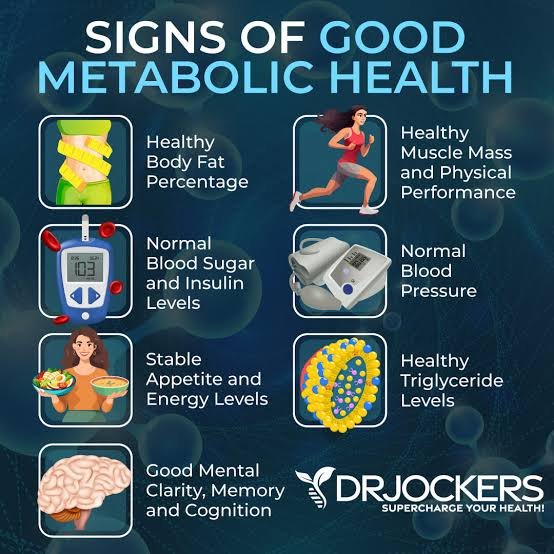
Metabolic health refers to how well your body performs essential processes such as:
- Regulating blood sugar
- Managing insulin levels
- Burning fat for energy
- Controlling inflammation
- Balancing hormones
- Maintaining healthy cholesterol and blood pressure
A person can appear thin but still have poor metabolic health, while someone slightly overweight may have strong metabolic markers. This is why modern health experts are moving beyond the number on the scale.
The New Weight Loss Trend: Why Metabolic Health
When your metabolism functions properly, your body can naturally maintain energy balance, reduce fat storage, and improve physical and mental performance.
Why Calorie Counting Often Fails
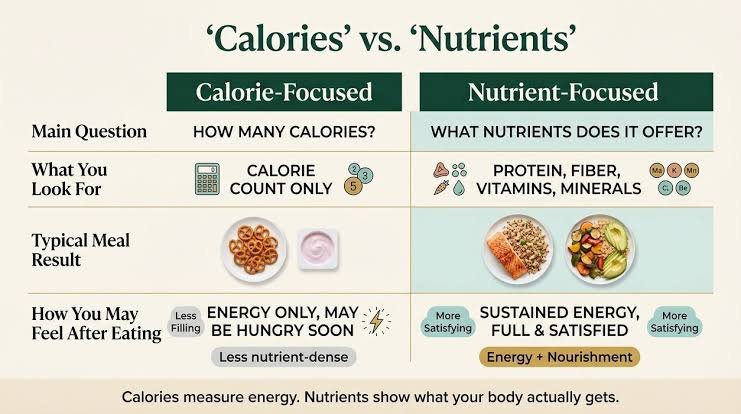
Traditional dieting focuses heavily on restricting calories. While calorie balance does play a role in weight management, the human body is far more complex than a simple math equation.
Here are some reasons calorie-focused diets often fail:
1. Hormones Control Hunger
Hormones like insulin, leptin, ghrelin, and cortisol influence appetite, cravings, and fat storage. When these hormones become imbalanced, people feel hungry even after eating enough calories.
The New Weight Loss Trend: Why Metabolic Health
For example:
- High insulin levels encourage fat storage
- Elevated cortisol from stress increases cravings
- Poor sleep disrupts hunger hormones
This means two people eating the same number of calories may experience completely different results.
2. Not All Calories Affect the Body Equally
A 300-calorie sugary snack impacts the body differently than a 300-calorie meal rich in protein and fiber.
Processed foods spike blood sugar quickly, leading to crashes and increased hunger later. Whole foods digest more slowly, keeping you fuller and stabilizing energy levels.
The New Weight Loss Trend: Why Metabolic Health
3. Extreme Restriction Slows Metabolism
Very low-calorie diets can force the body into survival mode. The metabolism slows down to conserve energy, making weight loss harder over time.
This is why many people regain weight after restrictive diets. Their bodies adapt to the lower calorie intake and become more efficient at storing fat.
The Rise of Metabolic-Focused Weight Loss
The new wellness movement emphasizes improving internal health markers rather than chasing rapid weight loss. Instead of asking, “How many calories did I eat today?” people are asking:
- Is my blood sugar stable?
- Am I getting enough protein?
- How well am I sleeping?
- Am I managing stress?
- Is my body metabolically flexible?
This shift encourages sustainable habits that improve both appearance and overall health.
Key Principles of Metabolic Health
Prioritizing Protein
Protein has become a central focus in modern nutrition because it supports muscle growth, reduces hunger, and helps stabilize blood sugar.
High-protein meals can:
- Increase satiety
- Reduce cravings
- Support fat loss while preserving muscle
- Boost metabolism through digestion
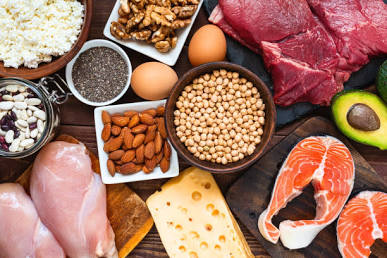
Many experts now recommend building meals around quality protein sources such as eggs, fish, chicken, Greek yogurt, tofu, legumes, and lean meats.
Blood Sugar Balance Matters
One of the biggest trends in wellness today is glucose management. Blood sugar spikes followed by crashes can increase hunger, fatigue, and fat storage.
To maintain stable blood sugar:
- Eat more fiber-rich foods
- Combine carbohydrates with protein and healthy fats
- Avoid excessive sugary snacks and drinks
- Walk after meals
- Choose minimally processed foods
Stable blood sugar leads to more consistent energy and fewer cravings throughout the day.
Strength Training Over Endless Cardio
For years, cardio was promoted as the best way to lose weight. Now, metabolic health experts emphasize resistance training because muscle tissue plays a major role in metabolism.
Muscle helps:
- Burn more calories at rest
- Improve insulin sensitivity
- Support healthy aging
- Increase metabolic flexibility
Strength training two to four times per week can significantly improve body composition and long-term metabolic function.
Sleep Is the New Superpower
Poor sleep has become one of the biggest hidden contributors to weight gain and metabolic dysfunction.
Studies show that sleep deprivation can:
- Increase hunger hormones
- Raise cortisol levels
- Reduce insulin sensitivity
- Trigger cravings for sugary foods
- The New Weight Loss Trend: Why Metabolic Health
People who consistently sleep well often find it easier to maintain healthy eating habits and stable energy levels.
Experts now recommend:
- 7–9 hours of quality sleep
- Limiting screen time before bed
- Maintaining consistent sleep schedules
- Reducing caffeine late in the day
Stress and Metabolism Are Deeply Connected
Chronic stress keeps the body in a constant fight-or-flight state. Elevated cortisol can encourage abdominal fat storage and increase emotional eating.
The New Weight Loss Trend: Why Metabolic Health
Modern metabolic health plans often include:
- Meditation
- Breathwork
- Walking outdoors
- Journaling
- Yoga
- Mindfulness practices
Managing stress is no longer viewed as optional — it is considered essential for healthy weight management.
Whole Foods Are Replacing Diet Foods
Another major shift is the movement away from “diet” products filled with artificial ingredients and toward whole, nutrient-dense foods.
The New Weight Loss Trend: Why Metabolic Health
People are increasingly choosing:
- Fresh vegetables and fruits
- Healthy fats like olive oil and avocado
- Natural protein sources
- Fermented foods for gut health
- Unprocessed carbohydrates
This approach nourishes the body rather than depriving it.
Gut Health and Weight Loss
Research continues to reveal strong links between gut bacteria and metabolism. A healthy gut microbiome may influence:
The New Weight Loss Trend: Why Metabolic Health
- Digestion
- Inflammation
- Hunger hormones
- Fat storage
- Immune function
Foods that support gut health include:
- Yogurt
- Kefir
- Kimchi
- Sauerkraut
- Fiber-rich vegetables
- Whole grains
The focus is shifting from simply eating less to feeding the body properly.
Why This Trend Is More Sustainable
Unlike restrictive diets, metabolic-focused health encourages habits people can maintain for life.
Instead of:
- Starving yourself
- Eliminating entire food groups
- Constant calorie tracking
The emphasis becomes:
- Eating balanced meals
- Building muscle
- Sleeping better
- Reducing stress
- Improving energy and wellness
Weight loss often becomes a side effect of improved metabolic function rather than the sole goal.
Technology Is Driving the Trend
Health technology has also accelerated interest in metabolic wellness. Continuous glucose monitors (CGMs), wearable fitness trackers, and personalized nutrition apps help people understand how their bodies respond to food, stress, and exercise.
The New Weight Loss Trend: Why Metabolic Health
Rather than following generic diet rules, individuals can now make personalized choices based on real-time data.
This personalized approach is making health management more effective and sustainable.
The Future of Weight Loss
The future of weight management is moving away from punishment and restriction toward optimization and balance.
The New Weight Loss Trend: Why Metabolic Health
Experts predict the next generation of wellness will focus on:
- Personalized nutrition
- Hormonal health
- Gut microbiome analysis
- Functional fitness
- Mental well-being
- Longevity and disease prevention
Instead of asking how quickly someone can lose weight, the conversation is becoming:
“How healthy is their metabolism?”
The New Weight Loss Trend: Why Metabolic Health
This is a powerful shift because true health goes beyond appearance.
Final Thoughts
The new weight loss trend is not about eating as little as possible. It is about creating a body that functions efficiently and feels energized.
The New Weight Loss Trend: Why Metabolic Health
By focusing on metabolic health, people can achieve:
- Sustainable fat loss
- Better energy levels
- Improved mood
- Reduced cravings
- Stronger physical health
- Long-term wellness
- The New Weight Loss Trend: Why Metabolic Health
Calories still matter, but they are only one piece of the puzzle. Hormones, sleep, stress, muscle mass, blood sugar, and food quality all play critical roles in how the body stores and burns energy.
As science continues to evolve, one thing is becoming clear: healthy weight loss starts from within.