Essential health screenings every woman should get after 30, including key tests for heart health, cancer prevention, bone health, and overall wellness.
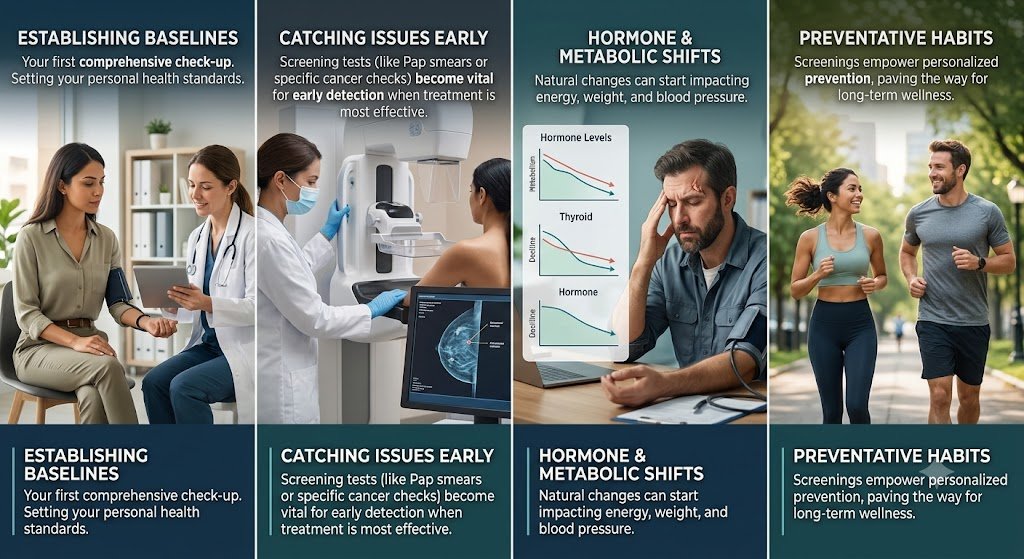
Turning 30 is more than just a birthday milestone — it’s a signal to take a closer look at your long-term Essential Health Screenings Every Woman Should Get After 30. In your 20s, many screenings are less frequent because risk levels are typically lower. But as you move into your 30s, hormonal shifts, cumulative lifestyle factors, and age-related risk all begin to play a bigger role in your health profile. This is the decade when preventive care becomes less about routine and more about strategy.
Essential Health Screenings Every Woman Should Get After 30
Essential Health Screenings Every Woman Should Get After 30....
Why Your 30s Mark a Health Screening Turning Point
##Essential Health Screenings Every Woman Should Get After 30
he good news is that most essential screenings are quick, often covered by insurance, and can catch potential health issues years before symptoms ever appear. Below is a complete guide to the health screenings every woman should prioritize after turning 30.
1. Cervical Cancer Screening: Pap Test and HPV Testing
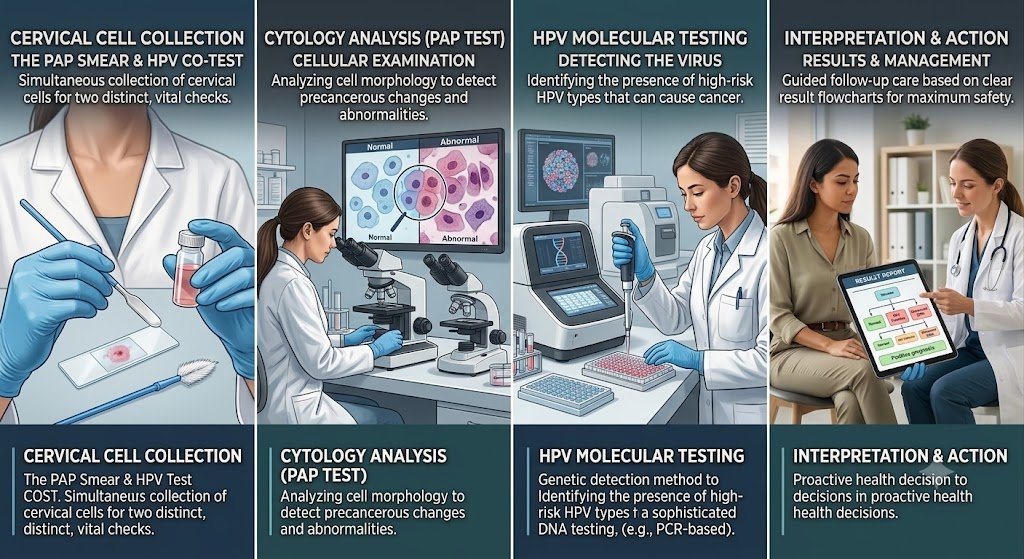
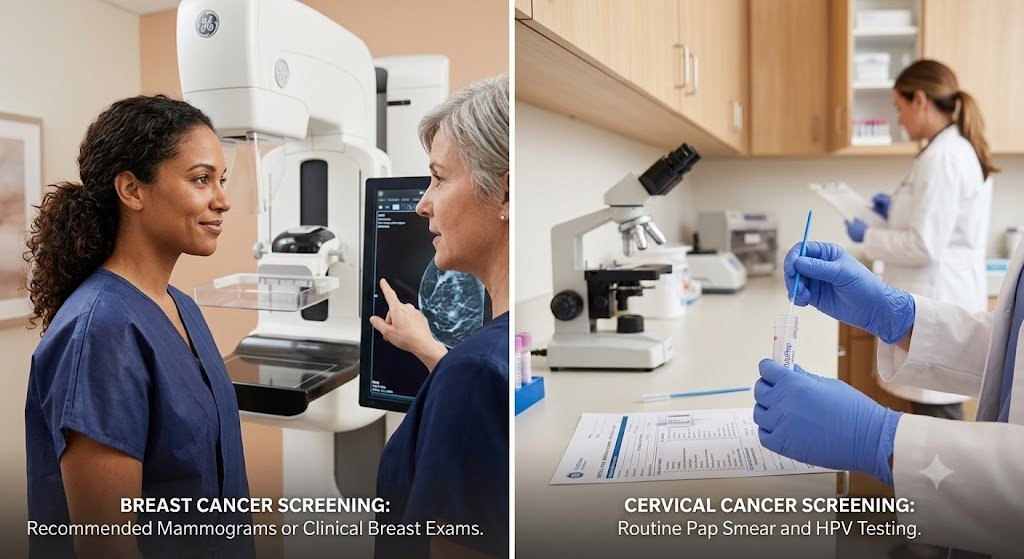
Cervical cancer screening remains one of the most important tests for women in their 30s. Once you reach 30, screening guidelines shift slightly compared to your 20s. Instead of a Pap test alone every three years, women aged 30 and up have several options: a Pap test every three years, an HPV test alone every five years, or combined “co-testing” with both tests every five years.
Essential Health Screenings Every Woman Should Get After 30
This extended interval is possible because HPV testing helps identify your risk more precisely, allowing for less frequent visits without sacrificing safety. Talk to your OB-GYN about which testing approach makes the most sense for your personal and family history.
2. Breast Health Awareness and Clinical Breast Exams
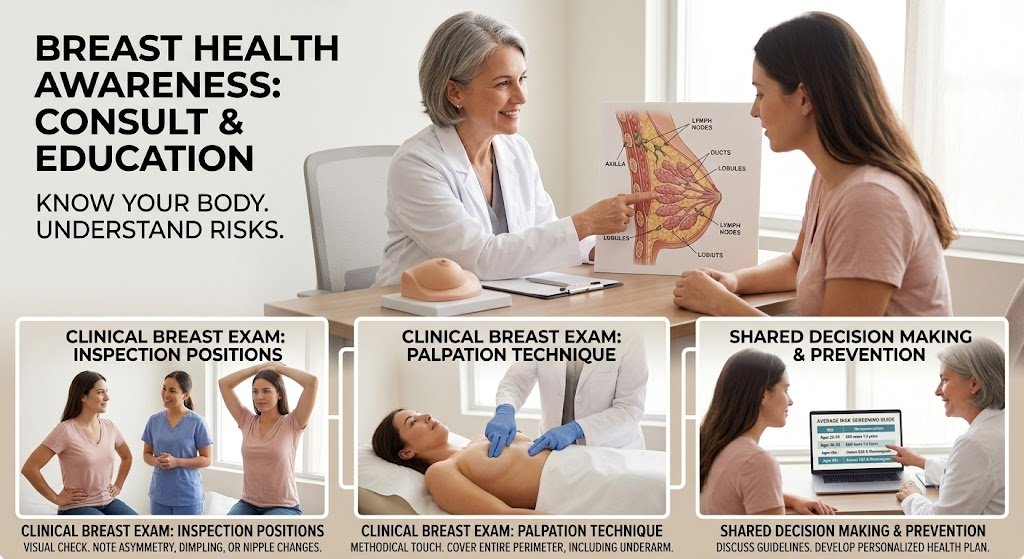
Routine mammograms typically aren’t recommended for women under 40 unless there’s a strong family history of breast cancer or other high-risk factors. However, your 30s are the ideal time to build the habit of breast self-awareness and to schedule regular clinical breast exams with your doctor.
Essential Health Screenings Every Woman Should Get After 30
If you have a first-degree relative who was diagnosed with breast, ovarian, or related cancers, ask your provider about genetic risk assessment, including BRCA1/2 testing. Identifying elevated risk early allows you and your doctor to create a personalized screening timeline well ahead of standard guidelines.
3. Blood Pressure Checks
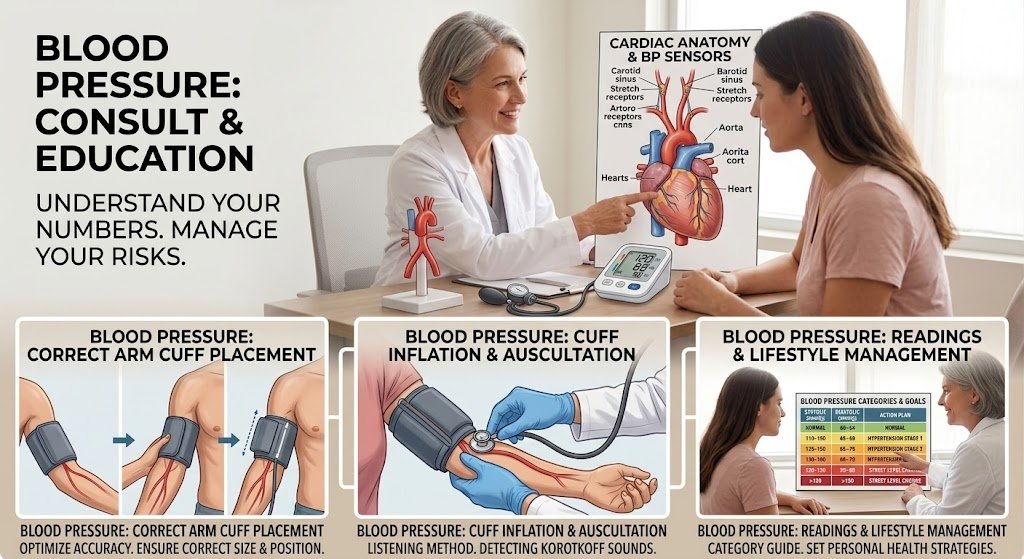
High blood pressure often has no noticeable symptoms, which is why it’s frequently called a “silent” health risk. Annual blood pressure checks are a simple, fast way to catch early signs of hypertension before they lead to more serious cardiovascular issues. If you have risk factors such as a family history of heart disease, obesity, or high stress levels, your doctor may recommend more frequent monitoring.
4. Cholesterol and Lipid Panel
Heart disease remains one of the leading health risks for women, and cholesterol screening is a key tool for catching early warning signs. While standard guidelines often suggest women begin cholesterol screening around age 45, many current protocols now recommend a baseline lipid panel much earlier, especially if you have risk factors like a family history of heart disease, diabetes, or obesity.
Essential Health Screenings Every Woman Should Get After 30
This simple blood test measures your LDL (“bad”) cholesterol, HDL (“good”) cholesterol, and triglycerides. Understanding your numbers in your 30s gives you and your doctor a head start on lifestyle interventions that can meaningfully reduce cardiovascular risk down the line.
5. Blood Sugar and Diabetes Screening
Type 2 diabetes and prediabetes often develop gradually and silently. A fasting blood glucose test or an A1C test can help detect abnormal blood sugar levels before they progress into a full diabetes diagnosis. Women with risk factors such as excess weight, a sedentary lifestyle, polycystic ovary syndrome (PCOS), or a history of gestational diabetes should discuss earlier and more frequent screening with their healthcare provider.
Essential Health Screenings Every Woman Should Get After 30
6. Skin Cancer Checks
Skin cancer, including melanoma, is highly treatable when caught early. Women in their 30s should schedule a full-body skin exam with a dermatologist, particularly if they have a personal or family history of skin cancer, numerous moles, or a history of sunburns or tanning bed use. Between professional visits, monthly self-exams can help you notice new or changing moles early.
7. Thyroid Function Testing
Thyroid disorders are significantly more common in women than in men, and symptoms like fatigue, weight fluctuations, and mood changes are often mistaken for stress or normal life changes. A simple thyroid-stimulating hormone (TSH) blood test can help identify hypothyroidism or hyperthyroidism early, especially if you’re experiencing unexplained symptoms or have a family history of thyroid disease.
Essential Health Screenings Every Woman Should Get After 30
8. Mental Health Screening
Mental health deserves the same attention as physical health. Your 30s often bring a unique mix of stressors, from career pressures to family planning to caregiving responsibilities. Routine mental health check-ins with your doctor, including simple screening questionnaires for anxiety and depression, can help catch struggles early and connect you with the right support and resources.
9. Sexually Transmitted Infection (STI) Screening
STI screening isn’t just for your 20s. Depending on your relationship status and sexual activity, your doctor may recommend continued testing for chlamydia, gonorrhea, HIV, and other infections. Many STIs present no symptoms, so regular screening based on your individual risk factors is an important part of comprehensive preventive care.
Essential Health Screenings Every Woman Should Get After 30
10. Eye and Dental Exams
While not always top of mind, routine eye exams and dental checkups play an important supporting role in your overall health picture. Eye exams can detect early vision changes as well as broader health conditions like diabetes and high blood pressure, which often show early signs in the eyes. Dental checkups, meanwhile, help catch gum disease, which has been linked to cardiovascular health and other systemic conditions.
Essential Health Screenings Every Woman Should Get After 30
Building a Personalized Screening Plan
While general guidelines provide a helpful starting point, the right screening schedule for you depends on your personal and family medical history, lifestyle, and any existing risk factors. Scheduling an annual wellness visit with your primary care physician or OB-GYN is one of the best ways to ensure nothing falls through the cracks. Use that appointment to review your family history, discuss any new symptoms, and confirm which screenings are due.
Final Thoughts
Your 30s are a pivotal decade for establishing healthy habits and catching potential health concerns before they become serious problems. From cervical cancer screening and cholesterol checks to mental health support and skin exams, staying proactive with these essential tests empowers you to take charge of your long-term wellbeing. Don’t wait for symptoms to appear — schedule your screenings, know your numbers, and make preventive care a non-negotiable part of your routine.
Essential Health Screenings Every Woman Should Get After 30