
Discover 10 science-backed habits for a healthier life in 2026. Improve your physical health, mental well-being, sleep, nutrition, and longevity with evidence-based lifestyle tips.
10 Science-Backed Habits for a Healthier Life in 2026
10 Science-Backed Habits for a Healthier Life in 2026
##10 Science-Backed Habits for a Healthier Life in 2026
As we move through 2026, maintaining good health has become more important than ever. Advances in medical research continue to show that living a healthier life doesn’t require expensive supplements or complicated fitness routines. Instead, consistent daily habits have the greatest impact on long-term well-being.
10 Science-Backed Habits for a Healthier Life in 2026
Scientific studies consistently demonstrate that small lifestyle changes can significantly reduce the risk of chronic diseases, improve mental health, increase energy levels, and even extend lifespan. Whether your goal is to lose weight, strengthen your immune system, or simply feel your best, adopting evidence-based habits is the smartest approach.
Here are 10 science-backed habits that can help you live a healthier, happier life in 2026.
10 Science-Backed Habits for a Healthier Life in 2026…
1. Prioritize Quality Sleep
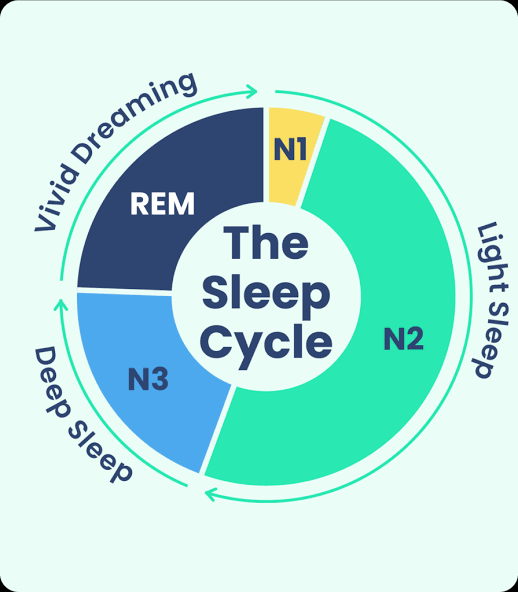
Sleep is the foundation of good health. Research shows that adults who consistently get 7–9 hours of quality sleep experience better cognitive performance, stronger immunity, healthier metabolism, and lower risks of heart disease.
10 Science-Backed Habits for a Healthier Life in 2026
Poor sleep has been linked to obesity, diabetes, depression, and reduced productivity.
Tips for Better Sleep:
- Maintain a consistent sleep schedule.
- Avoid screens at least one hour before bedtime.
- Keep your bedroom cool, dark, and quiet.
- Limit caffeine after mid-afternoon.
Remember, quality matters just as much as quantity.
2. Move Your Body Every Day

Exercise remains one of the most powerful medicines available. According to health experts, regular physical activity reduces the risk of heart disease, stroke, type 2 diabetes, and several cancers.
You don’t need intense workouts every day.
Aim for:
- 150 minutes of moderate exercise weekly
- Strength training at least twice a week
- Daily walking whenever possible
Even short 20–30 minute walks improve circulation, boost mood, and enhance brain function.
3. Eat More Whole Foods

Modern nutrition research consistently favors diets rich in whole, minimally processed foods.
Fill your plate with:
- Vegetables
- Fruits
- Whole grains
- Lean protein
- Healthy fats
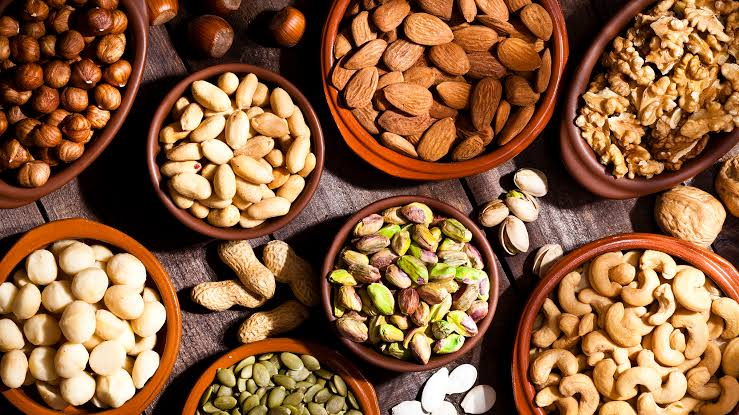
- Nuts and seeds
Whole foods provide essential vitamins, minerals, antioxidants, and fiber that support nearly every body system.
10 Science-Backed Habits for a Healthier Life in 2026
Try following the “80/20 rule”—eat nutritious foods 80% of the time while allowing flexibility for occasional treats.
4. Stay Properly Hydrated
Water supports digestion, circulation, temperature regulation, joint lubrication, and brain function.
Even mild dehydration can cause:
- Fatigue
- Headaches
- Poor concentration
- Reduced physical performance
Most adults should drink enough fluids throughout the day to maintain pale yellow urine, adjusting intake based on climate, activity level, and individual needs.
10 Science-Backed Habits for a Healthier Life in 2026
Start your morning with a glass of water and carry a reusable bottle to make hydration effortless.
5. Strength Train Regularly
Strength training is no longer just for athletes or bodybuilders.
Research shows resistance exercise:
- Builds muscle mass
- Strengthens bones
- Improves insulin sensitivity
- Supports healthy aging
- Increases metabolism
Muscle naturally declines with age, making strength training increasingly important after age 30.
Simple exercises like squats, push-ups, resistance bands, or weight lifting twice a week can produce remarkable long-term benefits.
6. Manage Stress Effectively
Chronic stress contributes to numerous health problems, including high blood pressure, weakened immunity, digestive disorders, anxiety, and depression.
10 Science-Backed Habits for a Healthier Life in 2026
Science supports several stress-reduction techniques:
- Deep breathing exercises
- Meditation
- Mindfulness
- Yoga
- Spending time outdoors
- Journaling
- Talking with supportive friends or family
Even five to ten minutes of mindful breathing each day can significantly reduce stress hormones.
Managing stress is not about eliminating challenges but improving your response to them.
7. Limit Ultra-Processed Foods
Ultra-processed foods often contain excessive sugar, unhealthy fats, sodium, preservatives, and artificial ingredients.
Frequent consumption has been associated with:
- Obesity
- Cardiovascular disease
- Diabetes
- Digestive issues
- Increased inflammation
- 10 Science-Backed Habits for a Healthier Life in 2026
Examples include:
- Sugary soft drinks
- Packaged snacks
- Instant noodles
- Fast food
- Processed meats
Instead, prepare meals at home whenever possible using fresh ingredients.
Small dietary improvements made consistently often outperform restrictive diets.
8. Spend Time Outdoors
Nature has measurable health benefits.
Studies show that spending time outside can:
- Reduce stress
- Improve mood
- Lower blood pressure
- Increase physical activity
- Enhance focus and creativity
Sunlight also helps your body produce vitamin D, which supports bone health and immune function.
Aim to spend at least 20–30 minutes outdoors most days, whether walking in a park, gardening, or simply enjoying fresh air.
9. Build Strong Social Connections
Humans are naturally social beings.
Research consistently finds that strong relationships contribute to:
10 Science-Backed Habits for a Healthier Life in 2026
- Longer lifespan
- Better mental health
- Reduced stress
- Improved immune function
- Greater happiness
Healthy relationships provide emotional support during difficult times and enhance everyday well-being.
Ways to strengthen social health include:
- Scheduling regular family dinners
- Calling friends
- Joining community groups
- Volunteering
- Participating in hobbies
Quality relationships matter more than the number of social contacts.
10. Schedule Preventive Health Checkups
Prevention remains one of the most effective healthcare strategies.
Regular health screenings can detect problems before symptoms develop.
Depending on your age and personal risk factors, preventive care may include:
- Blood pressure checks
- Cholesterol testing
- Blood sugar screening
- Cancer screenings
- Dental exams
- Eye examinations
- Vaccinations
Discuss personalized screening recommendations with your healthcare provider.
Early detection often leads to simpler treatments and better outcomes.
Bonus Habit: Reduce Screen Time
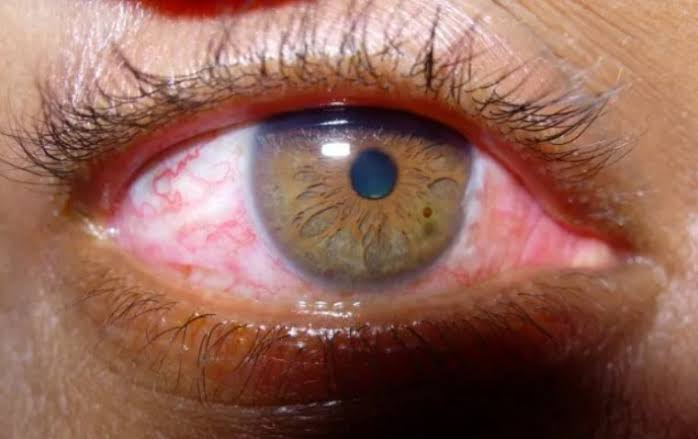
Digital technology is essential, but excessive screen use may contribute to poor sleep, eye strain, reduced physical activity, and increased stress.
Consider:
- Setting screen-free hours each evening
- Taking regular breaks from devices
- Avoiding phones during meals
- Spending more time reading, exercising, or socializing offline
Finding a healthier balance between technology and real life supports both physical and mental health.
Final Thoughts
Healthy living isn’t about perfection—it’s about consistency. Scientific evidence continues to show that simple daily habits have a powerful cumulative effect on overall health.
10 Science-Backed Habits for a Healthier Life in 2026
Rather than trying to change everything at once, choose one or two habits to focus on this month. Once those become routine, gradually add another.
Whether it’s improving your sleep, eating more whole foods, exercising regularly, or strengthening relationships, every positive choice moves you closer to a healthier future.
In 2026, the healthiest lifestyle isn’t built on quick fixes or trendy diets. It’s built on sustainable, science-backed habits practiced consistently over time.