Looking for practical ways to help your child eat healthier? This complete guide breaks down child nutrition basics, meal ideas, and tips for picky eaters—no fads, just real advice parents can use today.
A Complete Guide to Healthy Nutrition for Children
A Complete Guide to Healthy Nutrition for Children
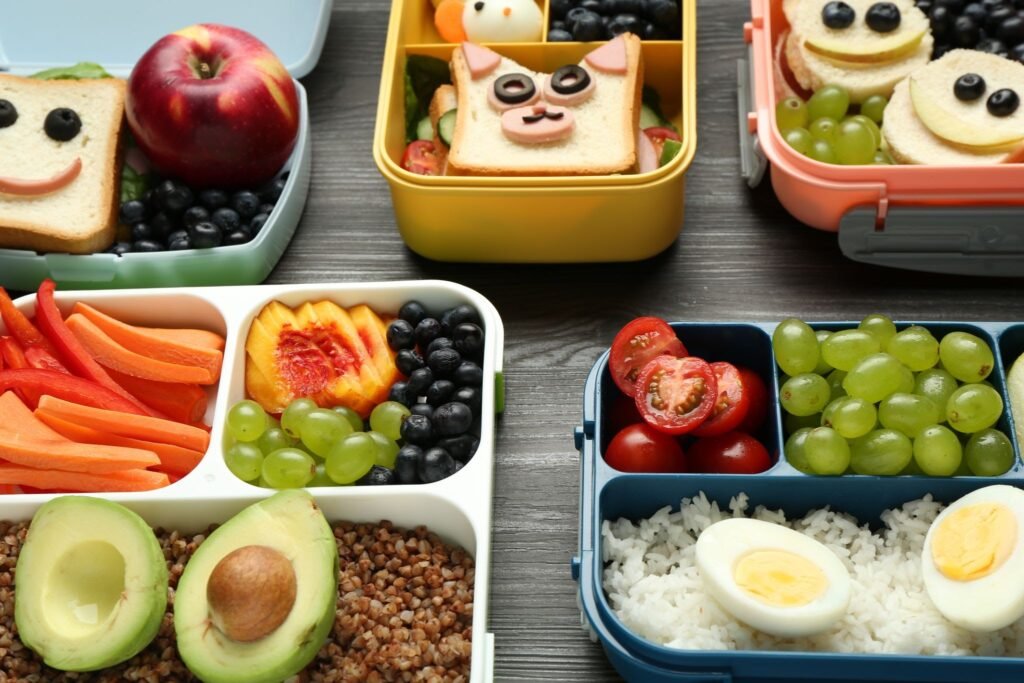
##A Complete Guide to Healthy Nutrition for Children
If you’ve ever stood in your kitchen at 6 PM wondering how to get your kid to eat something—anything—that isn’t beige and fried, you’re not alone. Feeding children well is one of those things that sounds simple until you’re actually doing it. Between picky eating phases, conflicting advice online, and busy schedules, healthy nutrition for kids can feel like a moving target.
A Complete Guide to Healthy Nutrition for Children
The good news? It doesn’t have to be complicated. This guide walks through what children actually need nutritionally, how to build meals that work in real life, and how to handle the challenges every parent runs into along the way.
Why Childhood Nutrition Matters So Much
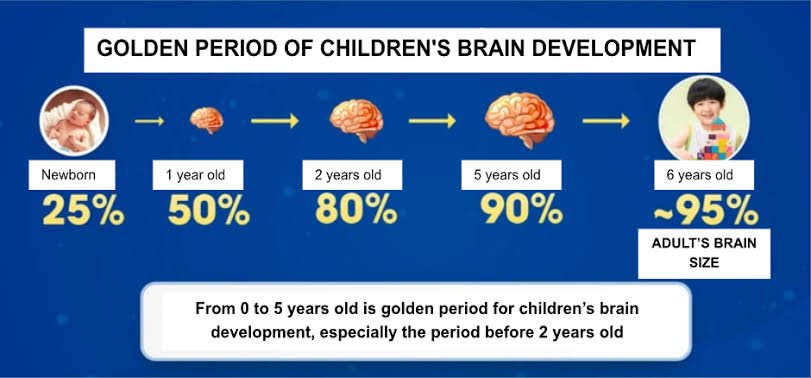
The early years of a child’s life set the stage for their long-term health. Good nutrition during childhood supports brain development, strengthens the immune system, builds strong bones, and helps regulate energy levels throughout the day. It also shapes eating habits that often stick around well into adulthood.
A Complete Guide to Healthy Nutrition for Children
Kids who grow up eating a variety of whole foods tend to have an easier time maintaining a healthy weight, focusing in school, and avoiding chronic health issues later in life. On the flip side, diets heavy in processed foods and added sugar have been linked to poor concentration, mood swings, and increased risk of health problems down the road.
None of this means you need to aim for perfection. It means small, consistent choices add up.
The Core Building Blocks of a Healthy Diet for Kids
Rather than obsessing over calorie counts, it helps to think in terms of food groups and balance. Here’s what should typically make up a child’s plate:
1. Fruits and Vegetables
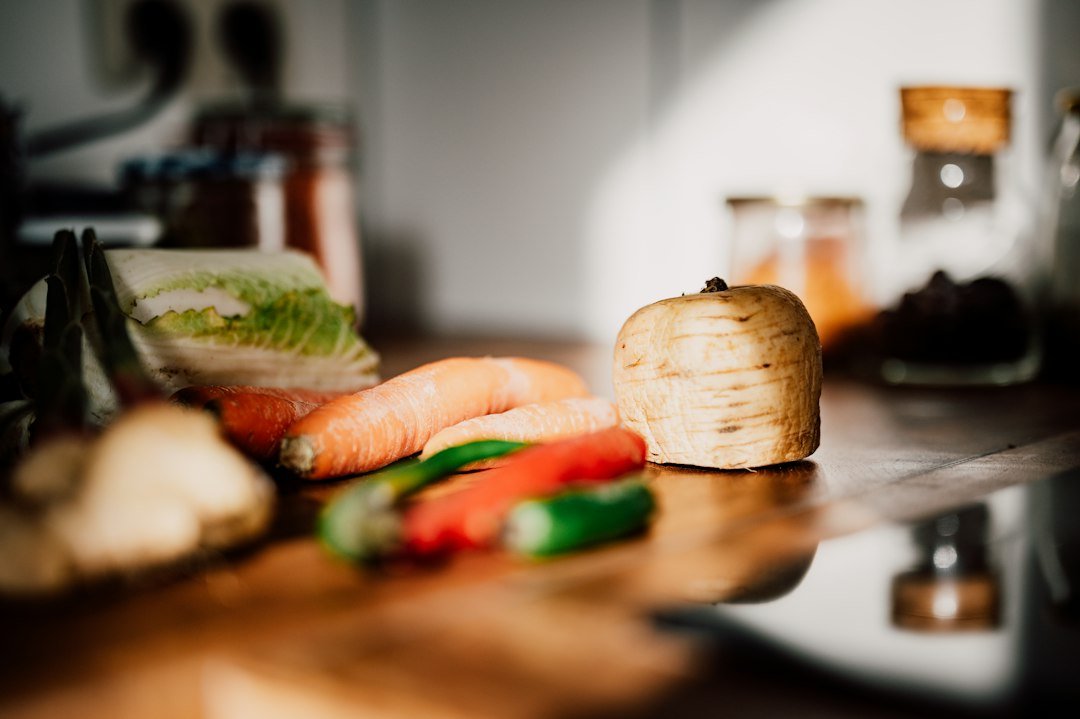
These should take up a good portion of every meal. Aim for a mix of colors—think blueberries, carrots, spinach, and bell peppers—since different colors usually mean different vitamins and antioxidants. Fresh is great, but frozen and canned (without added sugar or salt) count too.
A Complete Guide to Healthy Nutrition for Children
2. Whole Grains
Whole wheat bread, brown rice, oats, and quinoa provide fiber and steady energy, unlike refined grains that cause quick sugar spikes and crashes. Fiber also supports healthy digestion, which matters more than people realize for kids.
3. Protein
Lean meats, eggs, beans, lentils, tofu, and fish all provide the building blocks for growth and muscle development. Fish like salmon also bring in omega-3 fatty acids, which are important for brain function.
4. Dairy or Dairy Alternatives
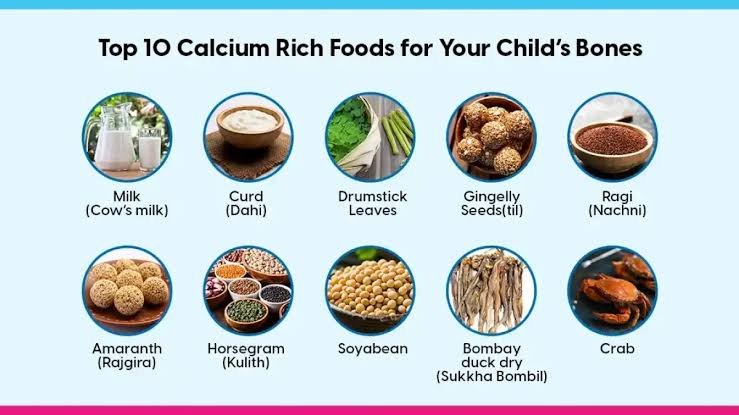
Calcium and vitamin D are essential for building strong bones. Milk, yogurt, and cheese are common sources, but fortified plant-based alternatives work well too for kids who are lactose intolerant or on a dairy-free diet.
5. Healthy Fats
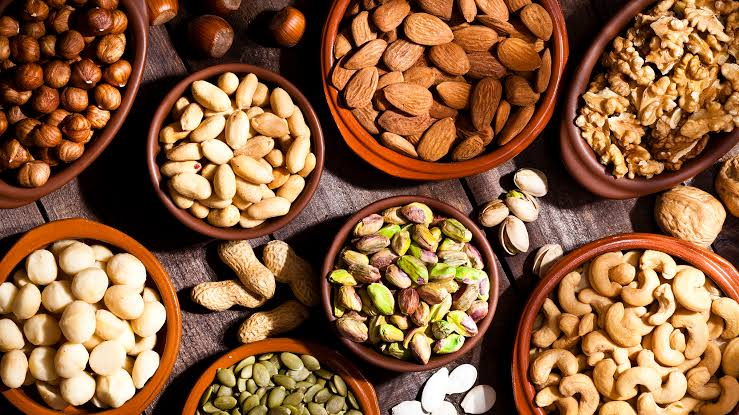
Avocados, nuts, seeds, and olive oil support brain development and help kids absorb certain vitamins. Fat isn’t the enemy—it’s an essential part of a growing child’s diet.
How Much Should Kids Actually Eat?
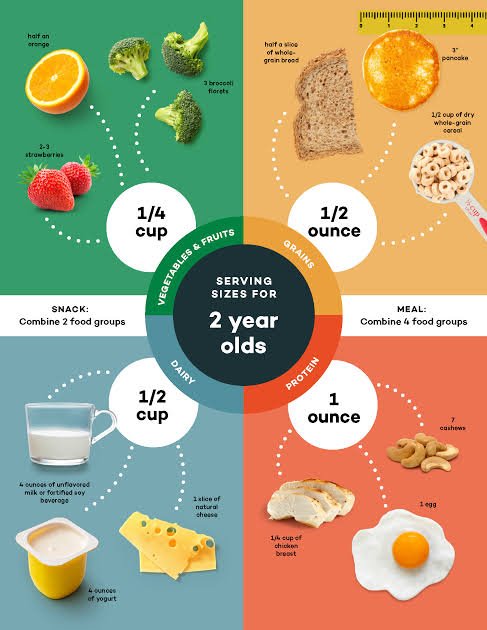
Portion sizes vary depending on age, activity level, and individual growth patterns, so there’s no single number that fits every child. A simple trick many pediatric dietitians recommend is using the child’s own hand as a rough guide—a palm-sized portion of protein, a fist-sized portion of vegetables, and so on. This naturally scales as kids grow.
A Complete Guide to Healthy Nutrition for Children
It’s also worth remembering that kids are generally good at regulating their own hunger and fullness cues, as long as they’re offered nutritious options regularly. Pressuring a child to finish their plate can actually interfere with this natural instinct.
Practical Meal Ideas Parents Can Use Today
Theory is nice, but what really helps is knowing what to put on the table. Here are some easy, kid-friendly ideas broken down by meal:
Breakfast
- Whole grain toast with peanut butter and banana slices
- Greek yogurt with berries and a sprinkle of granola
- Scrambled eggs with whole wheat toast and avocado
- A Complete Guide to Healthy Nutrition for Children
Lunch
- Turkey and cheese roll-ups with whole grain crackers and grapes
- Veggie-packed quesadillas with a side of salsa
- A simple pasta salad with cherry tomatoes, cucumber, and mozzarella
Dinner
- Baked chicken tenders (homemade, not fried) with roasted sweet potatoes and steamed broccoli
- Whole wheat spaghetti with meat sauce and a side salad
- Stir-fried veggies with tofu or shrimp over brown rice
Snacks
- Apple slices with almond butter
- Homemade trail mix with nuts, seeds, and dried fruit
- Hummus with carrot and cucumber sticks
The key is variety and consistency, not perfection at every single meal.
Dealing With Picky Eaters
Almost every parent deals with picky eating at some point, and it’s rarely a sign that something’s wrong. Toddlers especially go through phases of food neophobia, where new foods are met with suspicion by default.
A Complete Guide to Healthy Nutrition for Children
A few strategies that tend to help:
- Keep offering, without pressure. Research suggests it can take 10-15 exposures before a child accepts a new food. One rejection doesn’t mean “never.”
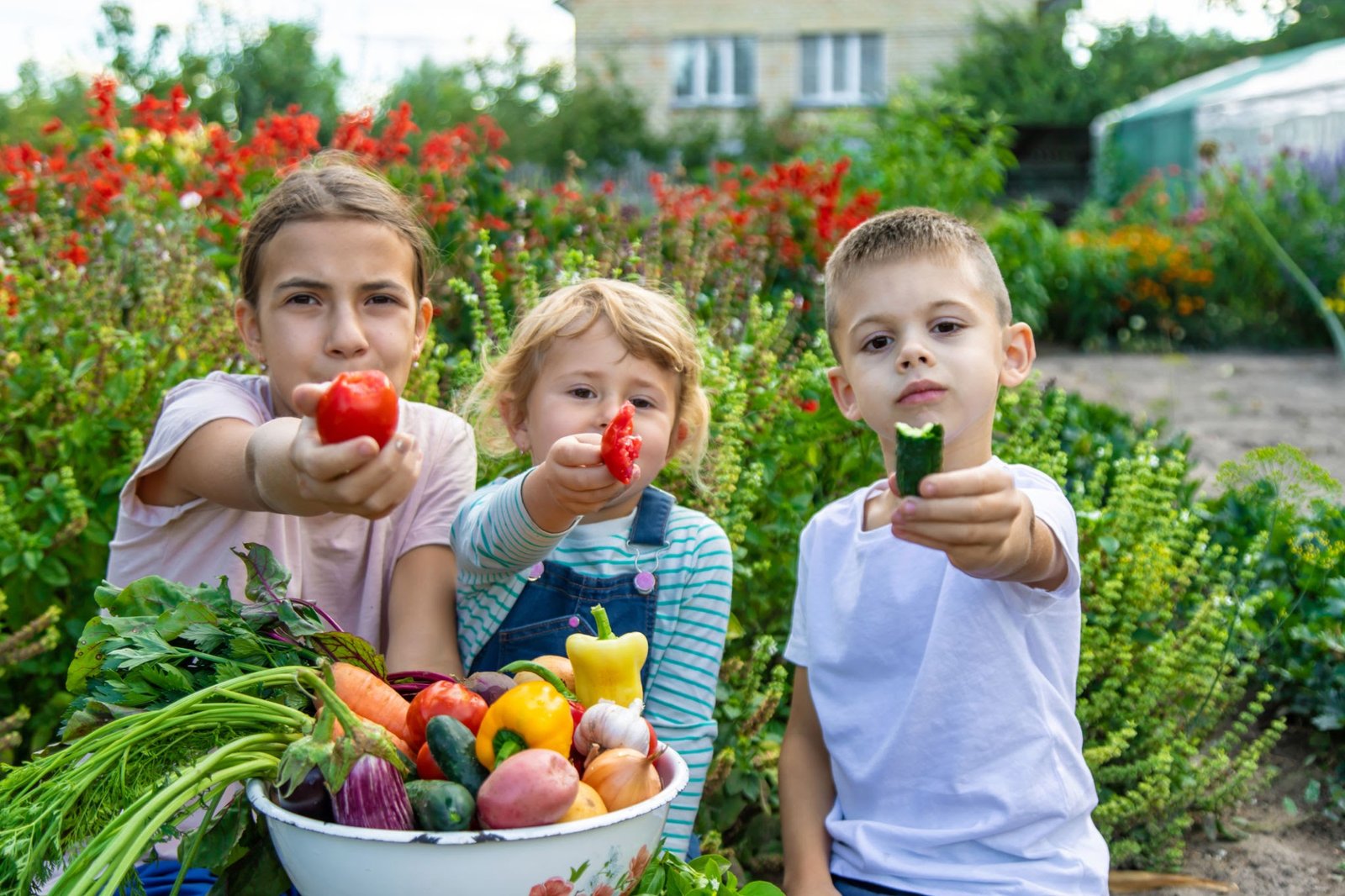
- Involve kids in the process. Letting children help wash vegetables, stir ingredients, or choose between two healthy options at the grocery store increases their interest in eating what they helped create.
- Pair new foods with familiar ones. Serving a new vegetable alongside a food your child already loves lowers the pressure and makes trying it feel less risky.
- Avoid using food as a reward or punishment. This can create complicated emotional associations with certain foods later in life.
- Model the behavior yourself. Kids are far more likely to eat vegetables if they see the adults around them enjoying vegetables too.
Added Sugar and Processed Foods: What to Watch For
It’s not realistic—or necessary—to eliminate treats entirely. But keeping an eye on added sugars and heavily processed snacks matters, since these have become a much larger part of children’s diets in recent decades than they used to be.
A Complete Guide to Healthy Nutrition for Children
Reading labels helps. Ingredients like “high fructose corn syrup,” “cane sugar,” and various syrups are all forms of added sugar, even when they’re not labeled simply as “sugar.” Aiming for whole, minimally processed snacks most of the time—while still allowing occasional treats—tends to work better long-term than an all-or-nothing approach, which often backfires.
Hydration Matters Too
Water should be a child’s primary drink throughout the day. Sugary drinks like soda, fruit punch, and even some flavored milks can add a surprising amount of sugar to a child’s daily intake without adding much nutritional value. Diluted 100% fruit juice can be offered occasionally, but water and plain milk should be the
A Complete Guide to Healthy Nutrition for Children
Building Habits That Last
Perhaps the most important part of childhood nutrition isn’t any single meal—it’s the environment around eating. Regular family meals, a calm eating atmosphere, and involving kids in food choices all contribute to healthier long-term habits. Children learn by watching, so the food culture in the home matters just as much as the food itself.
A Complete Guide to Healthy Nutrition for Children
Healthy eating for kids isn’t about restriction or rigid rules. It’s about offering a variety of nutritious foods consistently, modeling good habits, and giving children the room to develop their own healthy relationship with food over time.
Final Thoughts
A Complete Guide to Healthy Nutrition for Children
Raising a child who eats well doesn’t require a nutrition degree or a perfectly stocked pantry. It requires patience, consistency, and a willingness to keep offering good options even when they’re initially met with a wrinkled nose. Start small, stay consistent, and remember that healthy eating habits built in childhood tend to last a lifetime.
A Complete Guide to Healthy Nutrition for Children