
Maintaining good posture while working at a desk is essential for preventing neck, back, and shoulder pain. Spending hours at a desk or slouching in a chair can lead to poor posture habits, which may eventually cause discomfort and even chronic pain.
7 Effective Ways to Stay Healthy When Sitting for Long Hours at the Office
Fortunately, with a few simple adjustments and mindful practices, you can improve your posture and protect your musculoskeletal health. Here are some practical tips for maintaining good posture and staying healthy while working in the office.
Why Is Good Posture Important?
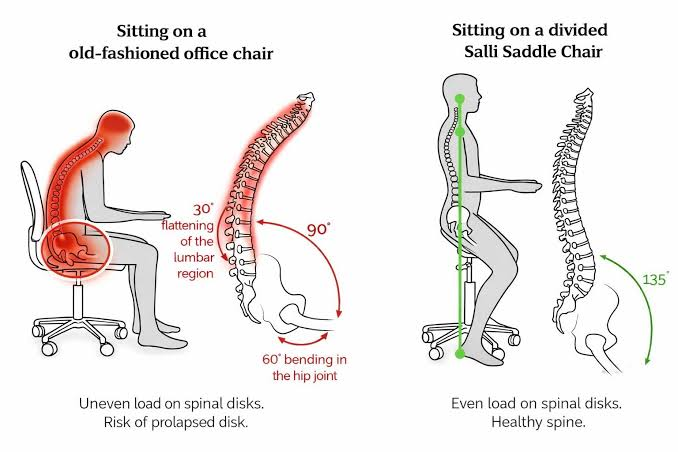
Good posture is essential for maintaining spinal health and proper body alignment. When you sit with poor posture, it can put unnecessary stress on your muscles, joints, and ligaments, potentially leading to discomfort or injury over time.
7 Effective Ways to Stay Healthy When Sitting for Long Hours at the Office
Good posture supports the natural curves of your spine and reduces unnecessary strain. This can make it easier to stay comfortable, focused, and productive throughout your workday.
1. Create an Ergonomic Workspace
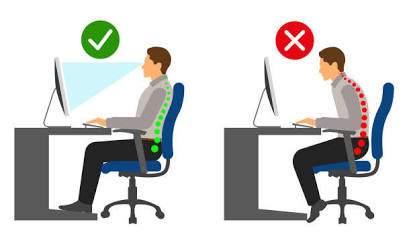
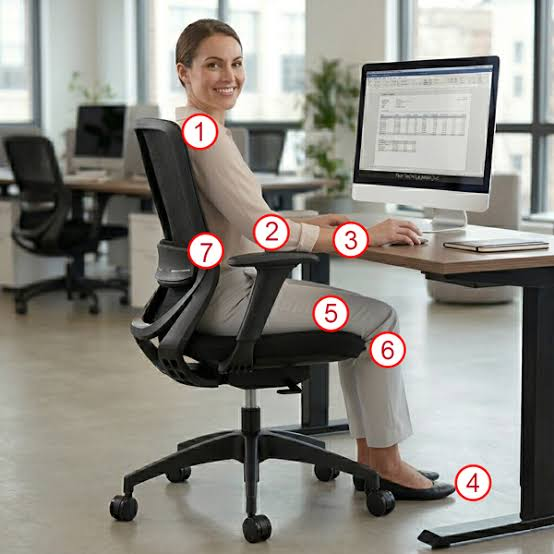
One of the first steps toward maintaining good posture at work is creating an ergonomic workspace. Here are some important things to consider:
Chair
Invest in an ergonomic chair with good lumbar support. Adjust the chair height so that your feet rest flat on the floor and your knees are positioned at approximately a 90-degree angle. The backrest should support the natural curve of your spine.
7 Effective Ways to Stay Healthy When Sitting for Long Hours at the Office
Desk Height
Your desk should be at a comfortable height that allows your arms to remain roughly parallel to the floor while typing, with your elbows positioned at approximately a 90-degree angle.
Monitor Position
Place your monitor at or slightly below eye level to avoid unnecessary neck strain. The top of the screen should generally be at or slightly below eye level, and the monitor should be positioned approximately an arm’s length away from your face.
2. Follow the 90-90-90 Rule
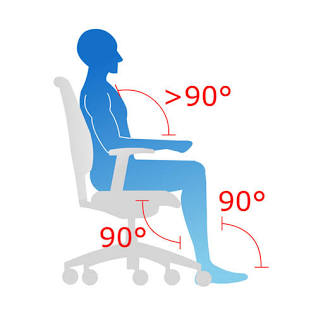
The 90-90-90 rule can be a useful guideline for maintaining proper sitting posture. It generally involves keeping your:
7 Effective Ways to Stay Healthy When Sitting for Long Hours at the Office
Hips, Knees, and Elbows at Approximately 90 Degrees
Try to keep your hips, knees, and elbows positioned at approximately 90-degree angles. This can help reduce unnecessary tension on your muscles and joints.
Feet Flat on the Floor
Keep both feet firmly supported on the floor whenever possible. This helps distribute your weight evenly and can reduce the tendency to slouch or sit awkwardly.
3. Take Regular Breaks to Walk and Stretch
Sitting for long periods without moving can contribute to stiffness and discomfort. To help prevent this, take short breaks regularly—ideally about every 30 minutes.
Stretch and Move
Stand up, stretch your arms, neck, and legs, or walk around the office for a few minutes. Regular movement can help improve circulation and reduce stiffness caused by prolonged sitting.
7 Effective Ways to Stay Healthy When Sitting for Long Hours at the Office
Try Simple Desk Exercises
Simple movements such as gentle neck rolls, shoulder shrugs, and wrist stretches can help keep your muscles relaxed and reduce tension during the workday.
4. Maintain Proper Sitting Posture
Being mindful of your sitting position is important for maintaining good posture throughout the day. Keep the following tips in mind:
Avoid Slouching
Keep your back supported and your shoulders relaxed. Avoid leaning or hunching forward for extended periods. Imagine that a gentle string is pulling you upward from the top of your head.
Engage Your Core
Gently engaging your core muscles can help stabilize your posture and provide additional support for your lower back.
Position Your Shoulders Properly
Keep your shoulders relaxed and slightly back rather than allowing them to round forward. Forward-rounded shoulders can contribute to discomfort in the upper back and neck.
7 Effective Ways to Stay Healthy When Sitting for Long Hours at the Office
5. Use Supportive Equipment When Needed
Using appropriate supportive equipment can further improve your comfort and posture while working.
Footrest
If your chair is too high for your feet to rest comfortably on the floor, consider using a footrest. This can help provide better leg support and promote a more comfortable sitting position.
Lumbar Support Cushion
For additional lower-back support, consider using a lumbar cushion or a small rolled towel positioned to support the natural curve of your lower spine.
7 Effective Ways to Stay Healthy When Sitting for Long Hours at the Office
Wrist Support
If you type frequently, a suitable wrist support may help keep your wrists in a more neutral position and reduce unnecessary strain on your hands and forearms.
6. Improve Your Phone and Computer Habits
Modern technology, including smartphones, tablets, and computers, can contribute to poor posture if used incorrectly. Here are some ways to maintain better posture while using these devices:
Raise Your Device
Try to hold your phone or tablet closer to eye level instead of constantly looking downward. This can help reduce strain on your neck and upper back.
7 Effective Ways to Stay Healthy When Sitting for Long Hours at the Office
Limit Unnecessary Screen Time
Use your breaks as an opportunity to move and rest rather than spending the entire break looking at another screen. Reducing unnecessary screen time can give your eyes and body a chance to recover.
Follow the 20-20-20 Rule
To help reduce digital eye strain, follow the 20-20-20 rule: every 20 minutes, look at something approximately 20 feet away for at least 20 seconds. This can also encourage you to change your visual focus and avoid staying in one position for too long.
7. Exercise Regularly
Regular physical activity can strengthen the muscles that support good posture and help counteract the effects of prolonged sitting.
Core Exercises
Strong core muscles can help stabilize your spine and make it easier to maintain an upright sitting posture without excessive slouching.
7 Effective Ways to Stay Healthy When Sitting for Long Hours at the Office
Back and Shoulder Workouts
Strengthening your back and shoulder muscles can help support better alignment and reduce the tendency to lean forward.
Stretching Routine
Gentle stretches for the neck, shoulders, and lower back can help reduce muscle tightness and improve flexibility. Regular stretching can be particularly useful if your work requires you to remain seated for extended periods.
Conclusion
Maintaining good posture is essential for reducing strain and discomfort when you spend long hours working at an office desk. By making ergonomic adjustments, taking regular movement breaks, and paying attention to your sitting posture, you can create a more comfortable and healthier work environment.
7 Effective Ways to Stay Healthy When Sitting for Long Hours at the Office
Small changes to your daily routine can make a meaningful difference to your comfort, well-being, and productivity. Practice these habits consistently to support better posture and enjoy a more comfortable workday over the long term.
Disclaimer: This article is intended for general informational and educational purposes only. It is not a substitute for professional medical advice, diagnosis, or treatment. If you experience persistent or severe neck, back, shoulder, or other musculoskeletal pain, consult a qualified healthcare professional. :::