
Learn evidence-based natural ways to support healthy blood pressure, including diet, exercise, stress management, weight control, and selected supplements.
##Natural Approaches to Support Healthy Blood Pressure
Natural Approaches to Support Healthy Blood Pressure
High blood pressure, or hypertension, is one of the most common cardiovascular health concerns worldwide. Because it often develops without noticeable symptoms, regular blood pressure checks are important—even if you feel perfectly well.
The good news is that everyday habits can play an important role in maintaining healthy blood pressure. A balanced diet, regular physical activity, healthy weight management, adequate sleep, and stress reduction can all contribute to cardiovascular wellness. Certain supplements may also offer modest support, although they should not replace prescribed treatment.
Natural Approaches to Support Healthy Blood Pressure
In this guide, we’ll look at natural approaches that have been studied for their potential role in supporting healthy blood pressure.
What Is Blood Pressure?
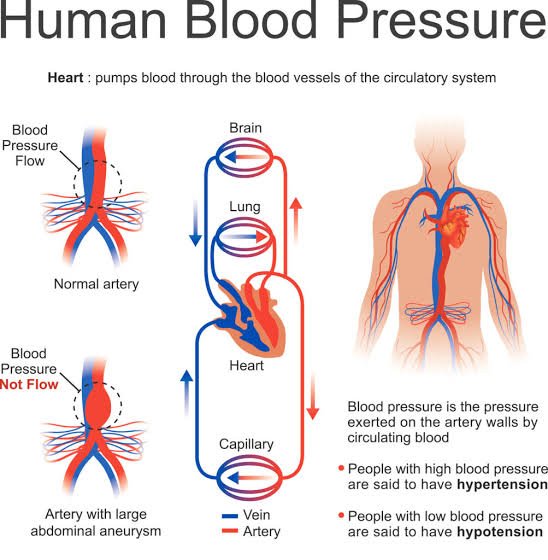
Blood pressure measures the force of blood pushing against the walls of your arteries as your heart pumps.
It is recorded using two numbers:
Natural Approaches to Support Healthy Blood Pressure
- Systolic blood pressure: the top number, representing pressure when the heart contracts.
- Diastolic blood pressure: the bottom number, representing pressure when the heart relaxes between beats.
For many adults, a reading below 120/80 mmHg is considered normal. Blood pressure categories can vary slightly between guidelines, so it is best to discuss your individual readings with a healthcare professional.
Because high blood pressure may not cause obvious symptoms, routine monitoring is one of the simplest ways to stay informed about your cardiovascular health.
What Can Contribute to High Blood Pressure?
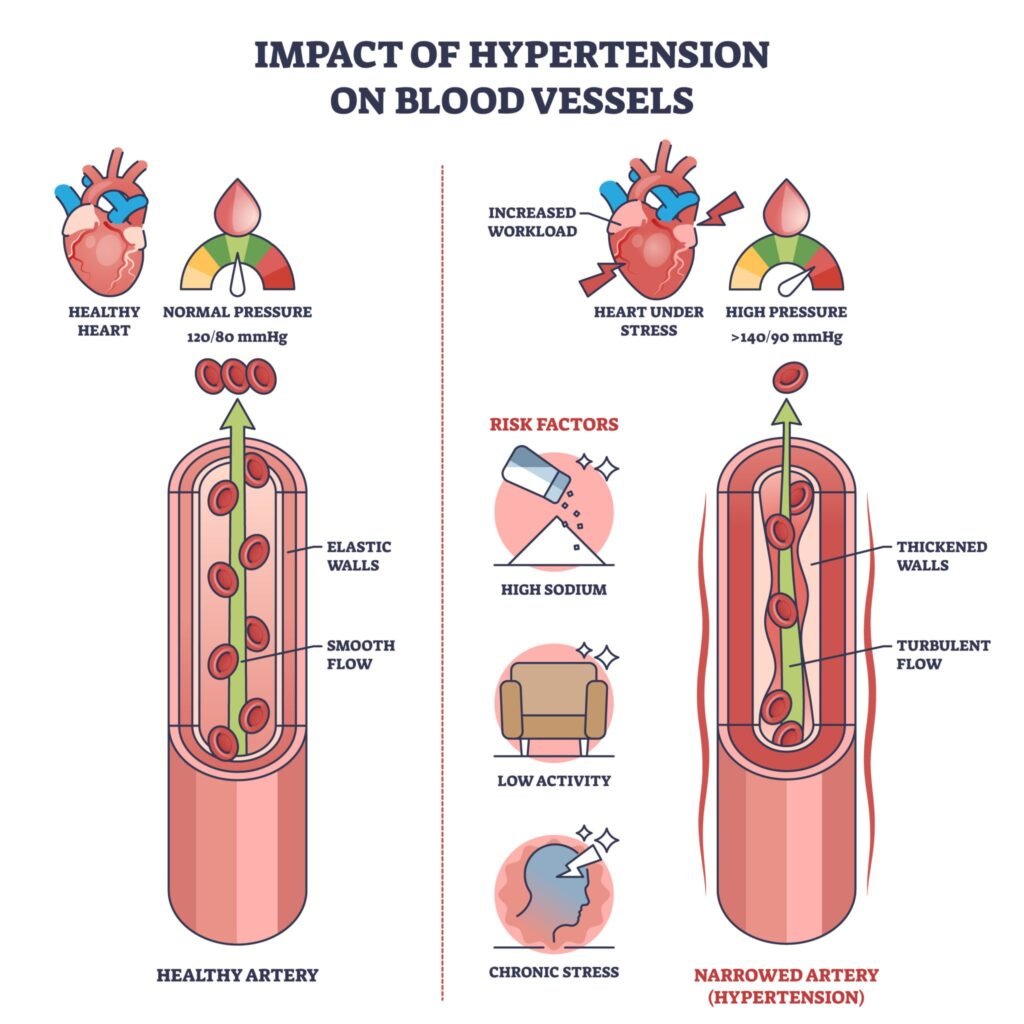
Blood pressure is influenced by many factors. These can include:
- A diet high in sodium and low in potassium-rich foods
- Physical inactivity
- Overweight or obesity
- Chronic stress
- Excess alcohol consumption
- Smoking
- Diabetes or insulin resistance
- Kidney disease
- Certain medications
- Family history and genetics
- Age-related changes in the arteries
- Natural Approaches to Support Healthy Blood Pressure
Often, there isn’t one single cause. A combination of genetics, lifestyle, and underlying health conditions can influence blood pressure over time.
Can Lifestyle Changes Help Support Healthy Blood Pressure?
Yes. Lifestyle changes are an important part of cardiovascular health and may be enough for some people with mildly elevated blood pressure. Others may still require medication.
Natural Approaches to Support Healthy Blood Pressure
If you have been diagnosed with hypertension, don’t stop or reduce prescribed medication without speaking with your healthcare professional. Lifestyle improvements and medication can often work together.
Here are some of the most practical natural approaches.
1. Follow a Heart-Healthy Diet
One of the best-supported approaches for blood pressure management is improving overall diet quality.
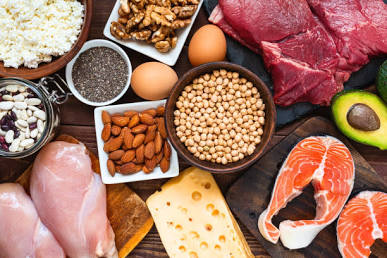
The DASH (Dietary Approaches to Stop Hypertension) eating pattern emphasizes vegetables, fruits, whole grains, beans, nuts, seeds, fish, and low-fat dairy while limiting excess sodium, highly processed foods, and added sugars.
Foods naturally rich in potassium, magnesium, and calcium can also contribute to a healthy cardiovascular diet.
Good choices include:
- Leafy green vegetables
- Bananas and other fruits
- Beans and lentils
- Potatoes and sweet potatoes
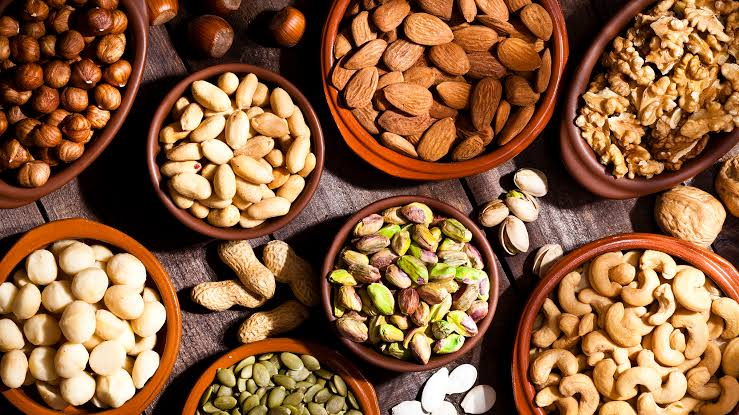
- Nuts and seeds
- Whole grains
- Yogurt and other nutrient-rich dairy foods
- Fish such as salmon and sardines
Rather than focusing on one “superfood,” aim for a varied diet built primarily around minimally processed foods.
2. Reduce Excess Sodium
For people who are sensitive to sodium, reducing salt intake can have a meaningful effect on blood pressure.
A simple place to start is to limit highly processed foods, packaged meals, salty snacks, processed meats, and sauces. Reading nutrition labels can help you identify foods that contribute large amounts of sodium to your daily intake.
Natural Approaches to Support Healthy Blood Pressure
Flavor meals with herbs, spices, garlic, lemon, and vinegar instead of relying heavily on salt.
3. Maintain a Healthy Weight
If you are overweight, even modest weight loss can support cardiovascular health and healthier blood pressure.
The goal doesn’t have to be dramatic or immediate. Sustainable changes—such as improving food choices, increasing physical activity, and reducing highly processed foods—are generally easier to maintain over the long term.
4. Exercise Regularly
Regular physical activity helps support the heart and blood vessels and can contribute to healthier blood pressure.
Aim for a combination of:
- Brisk walking
- Cycling
- Swimming
- Jogging or other aerobic activities
- Strength training
- Flexibility and mobility exercises
If you have been inactive, start gradually and increase activity as your fitness improves.
5. Manage Stress
Long-term stress can affect sleep, eating habits, physical activity, and other behaviors that influence cardiovascular health.
Relaxation practices may help, including:
Natural Approaches to Support Healthy Blood Pressure
- Deep breathing
- Meditation
- Yoga
- Prayer or spiritual practices
- Time outdoors
- Gentle stretching
- Mindfulness
- Regular social connection
There is no single “best” stress-management technique. The most useful approach is one that you can practice consistently.
Supplements That May Support Healthy Blood Pressure
Some nutrients and plant compounds have been studied for their potential effects on blood pressure. However, the evidence varies considerably from one supplement to another.
Importantly, a supplement that produces a modest change in a clinical study does not necessarily mean it will have the same effect for everyone.
If you take prescription medication or have kidney, heart, or other chronic health conditions, talk with your healthcare professional before adding a blood-pressure-related supplement.
Beetroot and Beetroot Juice
Beets are naturally rich in dietary nitrates. The body can convert these compounds into nitric oxide, a molecule involved in blood vessel relaxation and blood flow.
Clinical studies have investigated beetroot juice and nitrate-rich beetroot products for their potential effects on blood pressure and vascular function. Some research suggests that beetroot may modestly reduce blood pressure, particularly systolic blood pressure.
You can obtain dietary nitrates from foods such as:
- Beets
- Leafy green vegetables
- Arugula
- Spinach
- Lettuce
Practical approach: Consider incorporating nitrate-rich vegetables into your regular diet rather than relying solely on concentrated supplements.
Coenzyme Q10 (CoQ10)
CoQ10 is a naturally occurring compound involved in cellular energy production and antioxidant processes.
Research investigating CoQ10 and blood pressure has produced mixed results. Some studies suggest a potential benefit, while other reviews have found insufficient evidence for a consistent effect.
Natural Approaches to Support Healthy Blood Pressure
CoQ10 may be particularly interesting for people looking for broader cardiovascular and mitochondrial support, but it should not be considered a replacement for proven blood pressure treatment.
Hawthorn
Hawthorn has a long history of traditional use for cardiovascular health. Research has examined hawthorn extracts for their potential effects on heart function and blood pressure.
However, evidence remains limited and inconsistent, and hawthorn can interact with cardiovascular medications.
For that reason, people taking heart or blood pressure medication should consult a healthcare professional before using hawthorn.
Grape Seed Extract
Grape seed extract contains polyphenols and other antioxidant compounds. Several clinical studies have investigated whether it can support vascular function and blood pressure.
Some research suggests a modest benefit, but more high-quality studies are needed to establish who is most likely to benefit and what dose is appropriate.
L-Arginine
L-arginine is an amino acid that serves as a precursor to nitric oxide. Because nitric oxide helps regulate blood vessel dilation, researchers have studied L-arginine for cardiovascular health.
Some clinical trials suggest that L-arginine supplementation may modestly affect blood pressure, particularly in certain populations. However, results are not uniform.
L-arginine can also interact with medications and may not be appropriate for everyone, particularly people with certain cardiovascular conditions.
Magnesium
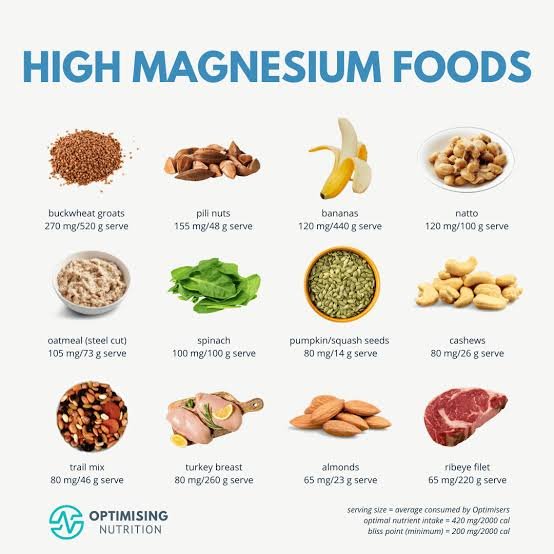
Magnesium is an essential mineral involved in hundreds of biochemical processes, including muscle and nerve function and vascular regulation.
Foods rich in magnesium include:
- Pumpkin seeds
- Almonds
- Cashews
- Beans
- Whole grains
- Spinach and other leafy greens
- Dark chocolate with a high cocoa content
Research suggests magnesium supplementation may produce a small reduction in blood pressure, particularly in people whose magnesium intake is inadequate.
Rather than automatically taking high-dose magnesium, consider evaluating your overall dietary intake first. Excess supplemental magnesium can cause diarrhea and, in people with impaired kidney function, potentially more serious problems.
Omega-3 Fatty Acids
Omega-3 fatty acids—particularly EPA and DHA—are found in fatty fish and certain supplements.
Good food sources include:
- Salmon
- Sardines
- Mackerel
- Herring
- Walnuts
- Chia seeds
- Flaxseeds
Research suggests that higher intakes of EPA and DHA may have modest effects on blood pressure, especially at higher supplemental doses.
If you’re considering an omega-3 supplement, check the actual amounts of EPA and DHA rather than looking only at the total amount of fish oil.
Vitamin C
Vitamin C is an antioxidant found in many fruits and vegetables.
Some studies have reported modest reductions in blood pressure with vitamin C supplementation, although the clinical significance of these changes remains uncertain.
For most people, obtaining vitamin C from foods such as citrus fruits, berries, kiwi, peppers, broccoli, and tomatoes is a sensible first approach.
What About L-Citrulline?
L-citrulline is another amino acid that has attracted interest for cardiovascular health because the body can convert it into L-arginine and subsequently nitric oxide.
Natural Approaches to Support Healthy Blood Pressure
Some research suggests that L-citrulline may support blood vessel function and modestly influence blood pressure. However, more research is needed to determine the most effective doses and which people are most likely to benefit.
As with other supplements, discuss its use with a healthcare professional if you take medication or have an underlying medical condition.
Natural Doesn’t Always Mean Risk-Free
One of the most important things to remember is that “natural” does not automatically mean safe for everyone.
Some supplements can interact with prescription medications, affect blood pressure too strongly, influence blood clotting, or affect kidney function.
This is particularly important if you take:
- Blood pressure medication
- Heart medication
- Blood thinners
- Diabetes medication
- Kidney-related medications
Always tell your doctor or pharmacist about supplements you are taking.
The Bottom Line
The strongest foundation for healthy blood pressure isn’t a single supplement—it’s a consistent lifestyle.
Focus first on:
- Eating plenty of vegetables, fruits, whole grains, beans, nuts, and seeds.
- Reducing excess sodium and highly processed foods.
- Maintaining a healthy weight.
- Exercising regularly.
- Managing stress.
- Getting adequate, consistent sleep.
- Limiting alcohol and avoiding tobacco.
- Monitoring your blood pressure regularly.
- Natural Approaches to Support Healthy Blood Pressure
Supplements such as beetroot, magnesium, omega-3 fatty acids, CoQ10, grape seed extract, L-arginine, and L-citrulline may have a role for certain people, but their effects are generally more modest and less predictable than established lifestyle measures and prescription treatments.
Natural Approaches to Support Healthy Blood Pressure
If your blood pressure is consistently elevated, don’t rely on supplements alone. Work with a qualified healthcare professional to determine the cause and the safest treatment strategy.
Medical disclaimer: This article is for educational purposes only and is not intended to diagnose, treat, cure, or prevent any disease. Blood pressure treatment should be individualized by a qualified healthcare professional. Do not stop or change prescribed medication without medical guidance.
Natural Approaches to Support Healthy Blood Pressure