Fiber supports healthy digestion, helps prevent constipation, and may benefit heart health. Discover 22 high-fiber foods and simple ways to add them to your daily diet
High-Fiber Foods for Better Digestion
Fiber is an important part of a balanced diet. It does more than support healthy digestion—it may also help manage cholesterol and blood sugar levels and contribute to better heart health.
Fruits, vegetables, legumes, whole grains, nuts, and seeds are some of the best natural sources of fiber. However, many people do not get enough fiber from their everyday diet.
22 High-Fiber Foods for Better Digestion and Heart Health
In this guide, you’ll learn what fiber is, the different types of fiber, its potential health benefits, and 22 high-fiber foods you can easily add to your daily meals.
What Is Fiber?
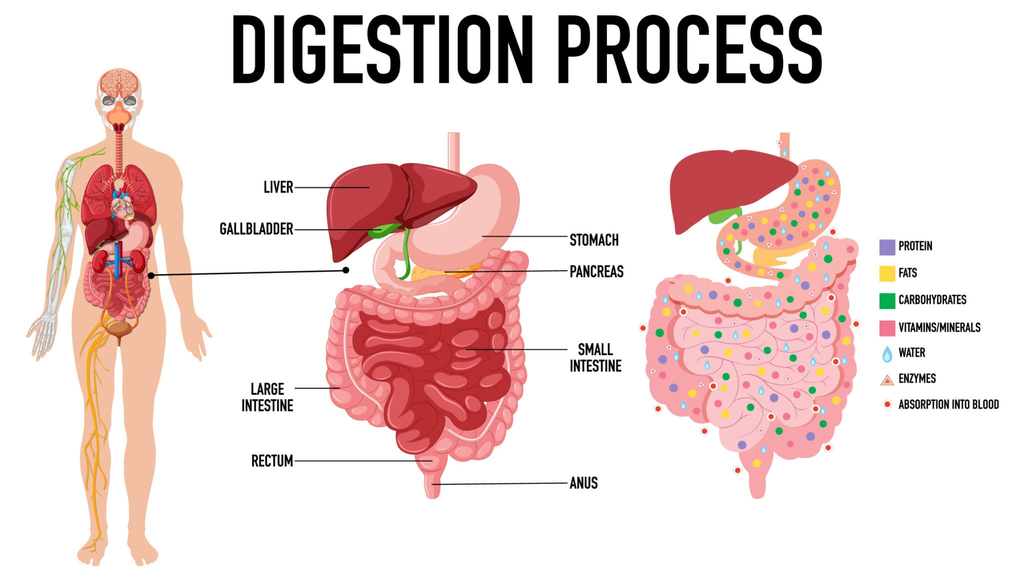
Fiber is a type of carbohydrate found mainly in plant-based foods that the body cannot fully digest. Instead of being completely broken down and absorbed, it passes through the digestive system and plays an important role in maintaining healthy bowel function.
There are two main types of dietary fiber:
1. Soluble Fiber
Soluble fiber dissolves in water and forms a gel-like substance in the digestive tract. It can slow digestion and help reduce the rate at which glucose is absorbed into the bloodstream. Some types of soluble fiber may also help lower LDL, or “bad,” cholesterol.
22 High-Fiber Foods for Better Digestion and Heart Health
Sources include: oats, beans, lentils, apples, pears, citrus fruits, and chia seeds.
2. Insoluble Fiber
Insoluble fiber does not dissolve in water. It adds bulk to stool and can help promote regular bowel movements.
Sources include: whole grains, nuts, seeds, and many vegetables.
Many plant-based foods contain a combination of both soluble and insoluble fiber in different amounts. Therefore, eating a variety of plant foods is a better approach than relying on just one source of fiber.
Health Benefits of High-Fiber Foods
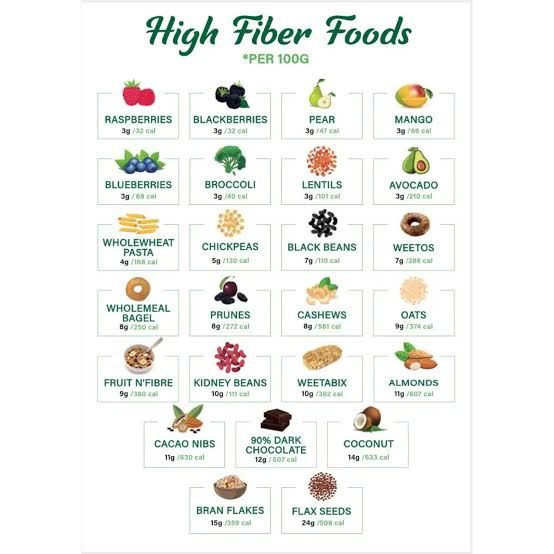
Getting enough fiber can provide several important health benefits.
Supports Healthy Digestion
Fiber helps maintain normal stool consistency and volume. In particular, insoluble fiber can promote regular bowel movements and may help reduce constipation.
22 High-Fiber Foods for Better Digestion and Heart Health
Supports Heart Health
Soluble fiber, in particular, may help lower LDL cholesterol. As part of an overall healthy diet, getting enough fiber can support cardiovascular health.
May Help Manage Blood Sugar
High-fiber foods are generally digested more slowly than refined, low-fiber foods. This can help slow the rise in blood glucose after meals.
Helps With Weight Management
Fiber-rich foods can help you feel full for longer. This may reduce the tendency to overeat and can support healthy weight management when combined with an overall balanced diet.
22 High-Fiber Foods for Better Digestion and Heart Health
Supports Gut Health
Some types of dietary fiber act as prebiotics. They provide food for beneficial bacteria living in the gut and may help support a healthy gut microbiome.
22 High-Fiber Foods to Add to Your Diet
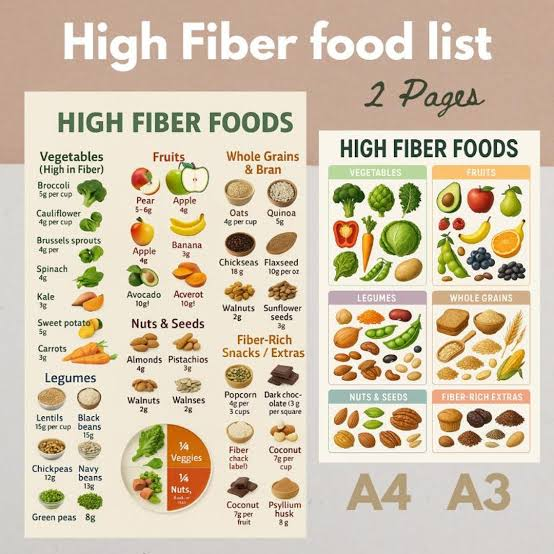
You do not need expensive or unusual foods to increase your fiber intake. Many common foods are excellent sources of dietary fiber.
1. Split Peas
Split peas are an excellent source of fiber. One cup of cooked split peas can provide around 16 grams of fiber. They can be used in soups, stews, and a variety of other dishes.
2. Chia Seeds
Chia seeds may be small, but they contain a significant amount of fiber. They can easily be added to yogurt, oatmeal, smoothies, or drinks. Chia seeds contain both soluble and insoluble fiber.
3. Broccoli
Broccoli is a nutritious vegetable that provides fiber along with vitamin C, vitamin K, and other nutrients. One cup of cooked broccoli can contain around 5 grams of fiber.
4. Dark Chocolate
Dark chocolate with a high cocoa content can provide a meaningful amount of fiber. However, it can also contain calories and added sugar, so it is best enjoyed in moderation. Choose dark chocolate with a higher cocoa percentage and less added sugar when possible.
5. Brussels Sprouts
Brussels sprouts are a nutritious cruciferous vegetable. One cup of cooked Brussels sprouts can provide around 4 grams of fiber. They also contain vitamins and beneficial plant compounds.
6. Apples
A medium apple with its skin can provide around 4 grams of fiber. Apples contain pectin, a type of soluble fiber that may support gut health. Wash apples thoroughly and eat them with the skin when appropriate to get more fiber.
22 High-Fiber Foods for Better Digestion and Heart Health
7. Kidney Beans
Kidney beans are a good source of both plant-based protein and fiber. One cup of cooked kidney beans can provide around 12 grams of fiber. They can be added to salads, soups, stews, and other dishes.
8. Almonds
Almonds provide fiber along with healthy fats and vitamin E. One ounce, or roughly a small handful, contains around 3–4 grams of fiber.
9. Avocado
Avocados contain fiber as well as healthy monounsaturated fats. One medium avocado can provide approximately 6–7 grams of fiber.
10. Carrots
Carrots are an affordable and nutritious source of fiber. They also contain beta-carotene, which the body can convert into vitamin A.
11. Popcorn
Air-popped popcorn without excessive butter, salt, or sugar can be a good high-fiber snack. However, heavily buttered or sugar-coated popcorn can be high in calories, so plain or lightly seasoned popcorn is a better choice.
12. Pears
Pears are among the fruits that provide a relatively high amount of fiber. A medium pear can contain around 6 grams of fiber. You can enjoy pears on their own or add them to oatmeal, yogurt, or salads.
22 High-Fiber Foods for Better Digestion and Heart Health
13. Chickpeas
Chickpeas are an excellent source of plant-based protein and fiber. One cup of cooked chickpeas can provide around 12 grams of fiber. They can be added to salads, hummus, soups, or curries.
14. Raspberries
Raspberries provide fiber along with vitamins, minerals, and antioxidants. One cup of raspberries can contain around 8 grams of fiber, making them a particularly good fruit choice for increasing fiber intake.
15. Beets
Beets are a nutritious root vegetable. One cup of cooked beets can provide approximately 3–4 grams of fiber. They can be enjoyed in salads, soups, or as a side dish.
16. Quinoa
Quinoa is a nutrient-rich grain-like food that provides both fiber and plant-based protein. One cup of cooked quinoa can contain around 5 grams of fiber.
17. Sweet Potatoes
Sweet potatoes contain both soluble and insoluble fiber. Eating them with the skin, after thoroughly washing them, can provide additional fiber.
18. Lentils
Lentils are an affordable and widely available source of dietary fiber. One cup of cooked lentils can provide around 15 grams or more of fiber. They are also a good source of plant-based protein and iron.
19. Strawberries
Strawberries are not only delicious but also provide fiber and antioxidants. They can be added to yogurt, oatmeal, smoothies, or fruit salads.
20. Oats
Oats are an easy way to increase your fiber intake, especially at breakfast. They contain beta-glucan, a type of soluble fiber that may help support healthy cholesterol levels when included as part of a balanced diet.
21. Artichokes
Artichokes are one of the more fiber-rich vegetables. A medium cooked artichoke can provide around 10 grams of fiber. Artichokes also contain inulin, a type of prebiotic fiber.
22. Bananas
Bananas are an affordable and nutritious fruit. A medium banana provides around 3 grams of fiber. Less-ripe bananas contain more resistant starch, which can act similarly to fiber and may support beneficial gut bacteria.
How Much Fiber Do You Need Every Day?
Daily fiber needs vary depending on factors such as age, sex, and overall calorie intake. As a general guideline, many adults should aim for approximately 25–38 grams of fiber per day.
22 High-Fiber Foods for Better Digestion and Heart Health
If you currently eat very little fiber, avoid increasing your intake suddenly. Gradually adding more fiber gives your digestive system time to adjust and may help reduce gas, bloating, and digestive discomfort.
Simple Ways to Increase Fiber in Your Daily Diet
You can increase your fiber intake through a few simple dietary changes:
- Start your day with oatmeal or whole-grain foods.
- Add chia seeds and berries to yogurt or oatmeal.
- Replace some refined grains with brown rice or other whole grains.
- Include lentils, chickpeas, or beans in your meals.
- Choose whole fruits instead of fruit juice.
- When appropriate, eat fruits and vegetables with their skins after washing them thoroughly.
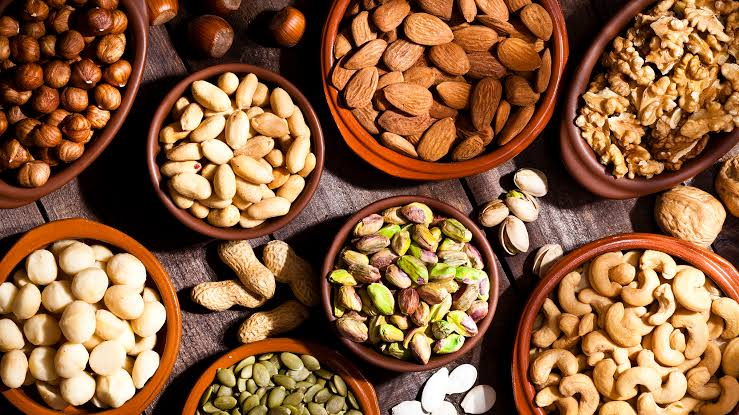
- Choose nuts and seeds as nutritious snacks.
- Try to include a variety of vegetables in your daily meals.
Why Is Water Important When Increasing Fiber?
Drinking enough water is important when you increase your fiber intake. Insoluble fiber can increase stool bulk, and without enough fluid, some people may experience constipation or digestive discomfort.
For this reason, increase fiber gradually and make sure you drink enough fluids throughout the day.
Fiber Supplements or Natural Foods: Which Is Better?
Whenever possible, it is better to get fiber from a variety of whole foods. Natural fiber-rich foods provide more than just fiber—they also contain vitamins, minerals, antioxidants, and other beneficial nutrients.
In certain situations, a healthcare professional may recommend a fiber supplement. If you have an ongoing digestive condition or regularly take medications, talk to your doctor before starting a fiber supplement or making major changes to your diet.
Can Fiber Help Prevent Disease?
A high-fiber diet that is part of an overall healthy eating pattern is associated with a lower risk of heart disease, type 2 diabetes, and some other chronic health conditions. However, no single food or nutrient can guarantee disease prevention.
Regular physical activity, maintaining a healthy weight, getting enough sleep, and following a balanced diet all contribute to better long-term health.
Conclusion
Fiber is an essential part of a healthy daily diet. From supporting digestion to helping maintain healthy cholesterol and blood sugar levels, adequate fiber intake can benefit your health in several ways.
22 High-Fiber Foods for Better Digestion and Heart Health
Foods such as lentils, chickpeas, oats, apples, pears, avocados, broccoli, chia seeds, and whole grains are simple and nutritious ways to increase your daily fiber intake.
However, avoid increasing fiber too quickly. Gradually add more fiber-rich foods to your meals and drink enough water. If you have a chronic digestive condition or another health concern, speak with your doctor or a registered dietitian before making significant changes to your diet.
22 High-Fiber Foods for Better Digestion and Heart Health
Frequently Asked Questions
How can I get 30 grams of fiber every day?
You can spread your fiber intake throughout the day. For example, have oatmeal and fruit for breakfast, lentils or chickpeas with vegetables for lunch, nuts or fruit as a snack, and whole grains with vegetables for dinner.
Which foods are highest in fiber?
Some particularly fiber-rich foods include lentils, split peas, chickpeas, kidney beans, chia seeds, artichokes, and raspberries.
Can fiber help with constipation?
Yes. Getting enough fiber along with adequate fluid intake can help improve stool bulk and consistency and support regular bowel movements.
Can eating too much fiber cause problems?
Increasing fiber too quickly can cause gas, bloating, or abdominal discomfort in some people. It is generally better to increase fiber gradually and drink enough fluids.
Is whole fruit better than fruit juice for fiber?
Generally, yes. Whole fruits contain much more fiber than most fruit juices. Choosing whole fruit is therefore a better option when your goal is to increase dietary fiber.