Nearly everyone gets a headache from time to time, and “why do I keep getting headaches?” is one of the most common health questions people type into Google in the US, UK, Canada and Australia. The reassuring news from the NHS is that most headaches go away on their own and are not a sign of something more serious. The less comfortable news is that a few headaches do need urgent attention. This guide explains the main types, the triggers worth knowing, what helps at home, and the warning signs that mean you should get medical help.
The two headaches most people get
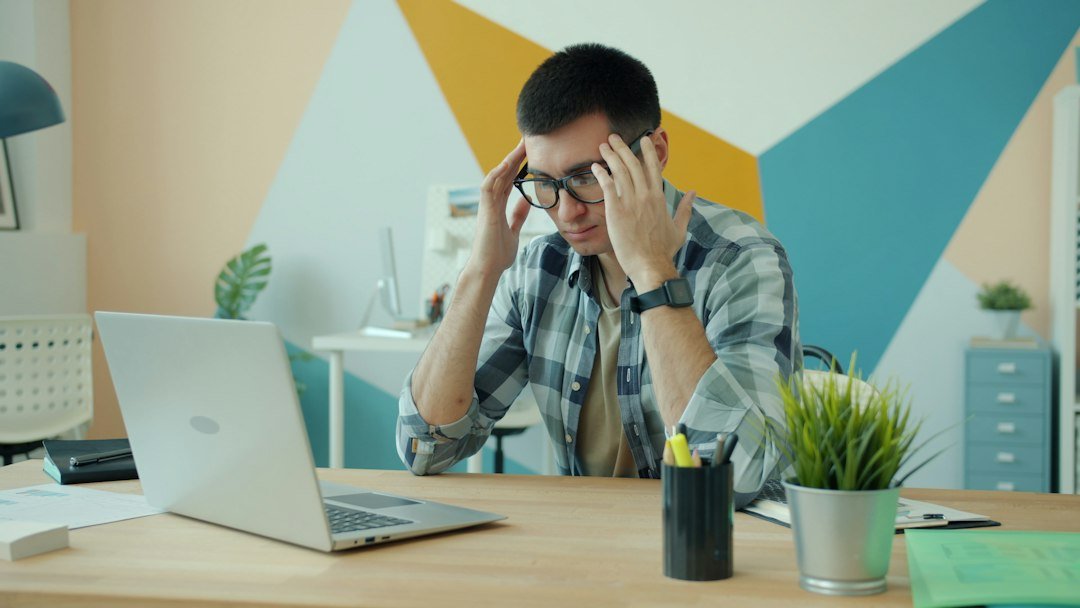
Tension headaches. Mayo Clinic calls tension-type headache the most common type of headache. It usually causes mild to moderate pain, often described as a tight band around the head, along with dull aching, pressure on the forehead, sides or back of the head, and tenderness in the scalp, neck and shoulder muscles. Episodes can last from 30 minutes to a week. Mayo notes that the exact cause is not well understood, and that stress is the most commonly reported trigger.
Migraine. Migraine is different. Mayo Clinic describes intense throbbing or pulsing pain, usually on one side of the head, often with nausea, vomiting and sensitivity to light and sound. An untreated attack typically lasts 4 to 72 hours. Some people also get an aura, such as visual changes, pins and needles or trouble speaking, which builds over several minutes. Tension headaches, by contrast, usually do not bring nausea or vomiting, and physical activity does not make them worse.
The NHS adds that severe headaches can sometimes be caused by migraine or cluster headache, and that headaches may last from 30 minutes to several days.
Common headache triggers
Triggers differ from person to person, but the NHS and Mayo Clinic name many of the same ones:
- Stress and letting down after stress. The NHS notes that headaches can appear when tension eases, such as after a stressful week or during a weekend lie-in.
- Poor posture. Holding one position for long periods strains the upper back, neck and shoulders, which can cause throbbing at the base of the skull.
- Skipped meals and dehydration. Both appear on the NHS list of everyday causes.
- Alcohol and too much caffeine. Mayo lists both, especially wine, as migraine triggers.
- Sleep changes. Missing sleep or sleeping too much can set off migraine.
- Bright or flickering lights, loud sounds and strong smells, including perfumes and some cleaning products.
- Weather changes such as humidity, storms and shifts in barometric pressure.
- Hormonal changes around periods, pregnancy and menopause.
- Certain foods. The NHS and Mayo mention aged cheeses, processed meats and fish, salty foods and diet fizzy drinks, and additives such as aspartame and MSG for some people.
- Eye strain, colds and flu, and grinding your teeth at night.
The NHS suggests keeping a headache diary to spot your own patterns. Write down the date, when the headache started, what you ate and drank, how you slept and how stressed you felt. After a few weeks, patterns often emerge.
What helps at home
For an ordinary headache, the NHS recommends a few simple steps:
- Drink enough water. Our guide to how much water you need explains how to tell if you are hydrated.
- Rest and try to relax. A quiet, dim room can help, especially with migraine. Gentle breathing exercises such as box breathing may ease stress-related headaches.
- Consider paracetamol or ibuprofen. The NHS lists these as options. Follow the instructions on the packet, and ask a pharmacist if you are unsure what is safe for you.
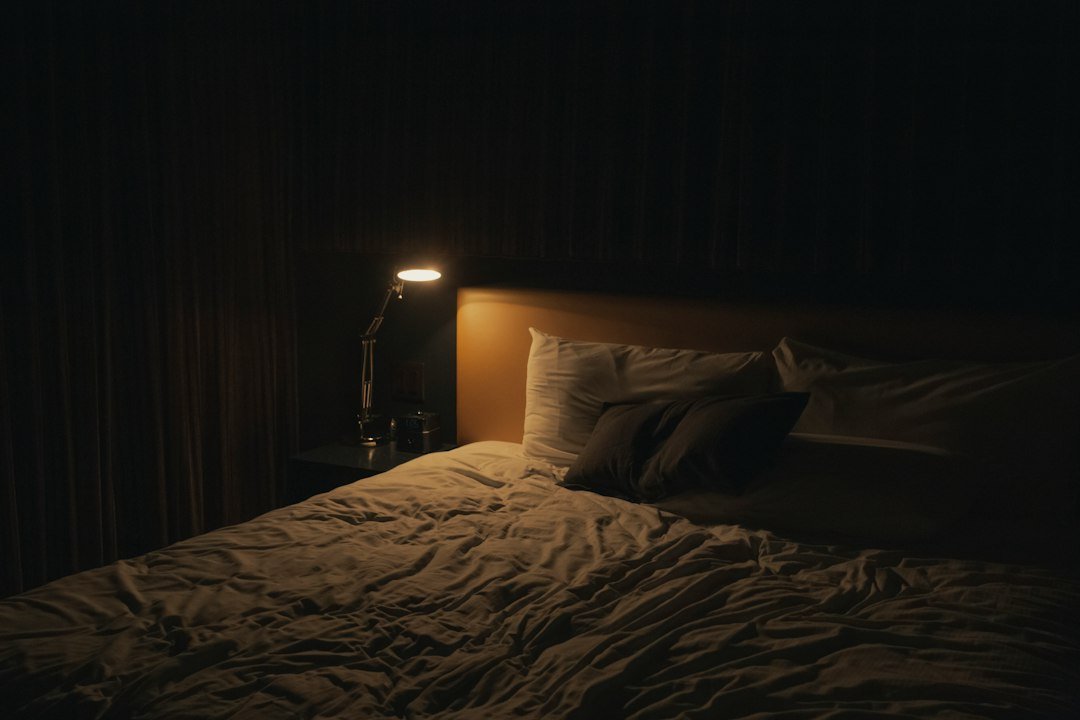
The NHS also lists what to avoid when you have a headache: skipping meals, sleeping more than usual, straining your eyes for long periods, such as on screens, and drinking alcohol. If screens are a regular problem, see our post on eye symptoms from phone use.
Be careful with painkillers
It sounds backwards, but the NHS lists “taking too many painkillers” as a cause of headaches. If you reach for medicine often, the cure may be feeding the problem. Mayo Clinic advises making an appointment if you need medicine for tension headaches more than twice a week. A doctor can check for other causes and suggest a safer long-term plan. Always read the label, never take more than the stated dose, and ask a pharmacist before combining medicines or if you have other health conditions.
Habits that may prevent headaches
You cannot avoid every headache, but daily habits can reduce how often you get them:
- Keep regular meals. Do not skip breakfast or lunch. Our breakfast ideas make it easy.
- Keep a steady sleep schedule. Both too little and too much sleep can trigger headaches. Read why in our guide to quality sleep.
- Move around. Break up long periods at a desk to ease neck and shoulder strain. See tips for sitting long hours.
- Manage stress. Stress is the most commonly reported tension-headache trigger, according to Mayo Clinic.
- Limit alcohol and watch caffeine. Both can trigger migraine in some people.
- Use your diary. Once you know your triggers, avoid or reduce the ones that affect you most.

When to see a doctor
Make a routine appointment if your headaches are not improving or are getting worse despite self-care, if you get them regularly, if they disrupt your life, or if the pattern changes or a headache suddenly feels different from your usual ones.
The NHS recommends urgent advice from a GP or NHS 111 if a headache comes with vision or eye problems, vomiting, jaw pain when eating, a sore or tender scalp, or if it is triggered or made worse by coughing, sneezing, bending or exercise. The NHS also advises urgent advice for a child whose headache is getting worse or wakes them at night.
Emergency warning signs
Combining advice from the NHS, Mayo Clinic and MedlinePlus, get emergency help straight away if a headache comes with any of the following:
- A sudden, extremely severe headache that reaches peak pain almost instantly, like a thunderclap, or “the worst headache ever”.
- Fever with a stiff neck, or a rash that does not fade when you press a glass against it.
- Confusion, drowsiness, a seizure, or trouble speaking, balancing, walking or remembering things.
- Weakness or numbness in the face or body, loss of vision or double vision.
- A headache after a head injury.
- A new headache after age 50, or one that begins right after exertion.
The NHS advises not to drive yourself to the emergency department. Ask someone to take you or call an ambulance, and bring any medicines you take.
The bottom line
Most headaches are harmless, short-lived and linked to everyday triggers such as stress, poor sleep, skipped meals or too little water. Drink water, rest, eat regularly and keep a simple diary to learn your triggers. Be cautious with frequent painkillers, and treat sudden, severe or unusual headaches, especially with the warning signs above, as an emergency.
This article is for general information and is not medical advice. Please read our Medical Disclaimer and talk to a qualified professional about your own symptoms and treatment.