Why is protein important? Learn about the importance of protein for muscle growth, immune function, overall health, its best food sources, and daily protein requirements in this detailed guide.
Why Is Protein Important? The Importance of Protein for the Human Body
We all know that eating a balanced diet is essential for staying healthy. However, one of the most important nutrients that is often overlooked is protein. We tend to pay more attention to foods such as rice, bread, and cooking oils than we do to protein. Yet protein plays a vital role in building and maintaining almost every cell and tissue in our body.
So, what exactly is protein, why is it so important, and how much protein do we need every day? Let’s take a closer look.
What Is Protein?
##Why Is Protein Important? The Importance of Protein for the Human Body
Protein is one of the body’s essential building materials. It is made up of amino acids. There are about 20 different amino acids involved in building proteins in the human body. Some of these can be produced naturally by the body, while others must be obtained through food. These are known as essential amino acids
.Why Is Protein Important? The Importance of Protein for the Human Body
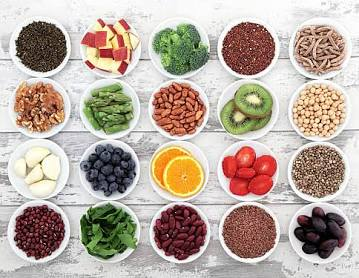
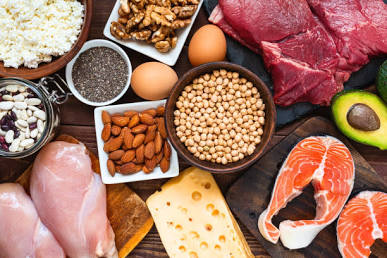
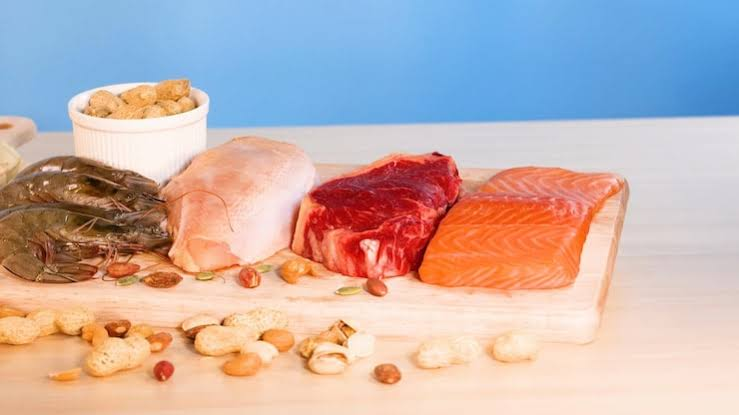
We can get protein from a variety of foods, including meat, fish, eggs, milk, lentils, beans, nuts, and seeds.
In simple terms, protein can be described as one of the body’s main “building blocks.” Our muscles, skin, hair, nails, and many components of our blood are made partly from proteins.
Why Is Protein So Important?
1. Muscle Growth and Repair
When we exercise or perform physical activities, our muscles experience small amounts of damage. Protein helps repair this damage and supports the formation of new muscle tissue.
Why Is Protein Important? The Importance of Protein for the Human Body
This is why people who regularly work out or engage in strength training are often advised to pay particular attention to their protein intake.
2. Supports the Immune System
Antibodies are an important part of the body’s immune system, and antibodies are proteins. Getting enough protein helps support normal immune function.
If someone does not get enough protein for a prolonged period, their body may have difficulty maintaining normal immune function, potentially increasing vulnerability to infections and illness.
3. Helps Produce Hormones and Enzymes
Many important processes in the body—including digestion, metabolism, and blood sugar regulation—depend on hormones and enzymes. Proteins play an important role in producing many of these substances.
Why Is Protein Important? The Importance of Protein for the Human Body
For example, insulin is a protein hormone that helps regulate blood glucose levels.
4. Supports Healthy Skin, Hair, and Nails
Proteins such as collagen and keratin play important roles in maintaining the structure of the skin, hair, and nails.
Inadequate protein intake can contribute to poor nutritional status and, in some cases, may be associated with problems such as hair loss, weakened nails, or changes in skin health.
5. Provides Energy
The body’s primary sources of energy are carbohydrates and fats. However, when necessary, protein can also be used to produce energy.
Why Is Protein Important? The Importance of Protein for the Human Body
Although providing energy is not protein’s main function, it can contribute to the body’s energy needs when other energy sources are insufficient.
6. May Help With Weight Management
Protein-rich foods can help you feel full for longer, which may reduce the tendency to snack or overeat.
For people who are trying to manage their weight, including adequate protein as part of a balanced diet can therefore be helpful.
7. Essential for Children’s Growth and Development
Protein is particularly important during childhood because children need adequate nutrients to support normal growth and development.
Why Is Protein Important? The Importance of Protein for the Human Body
Protein contributes to the development and maintenance of muscles, bones, organs, and other tissues. Severe or prolonged protein deficiency can interfere with normal growth and development.
What Problems Can Protein Deficiency Cause?
Long-term inadequate protein intake can contribute to a number of health problems, including:
- Muscle weakness and loss of muscle mass
- Fatigue and weakness
- Delayed wound healing
- Hair and skin problems
- Reduced immune function
- Impaired growth and development in children
Severe Why Is Protein Important? The Importance of Protein for the Human Body deficiency can be particularly serious and requires appropriate medical and nutritional care.
How Much Protein Do You Need Every Day?
For many healthy adults, the general recommended dietary allowance for protein is around 0.8 grams per kilogram of body weight per day.
For example, if a person weighs 60 kilograms, their basic daily protein requirement would be approximately 48 grams.
However, protein requirements can vary depending on several factors, including age, body size, physical activity level, pregnancy, and overall health. People who exercise regularly, perform physically demanding work, are pregnant, or are older adults may have different protein needs.
Because individual requirements can vary, it is best to consult a qualified healthcare professional or registered dietitian for personalized advice.
What Are Good Sources of Protein?
Protein sources can broadly be divided into animal-based and plant-based sources.
Animal-Based Protein Sources:
- Eggs
- Fish
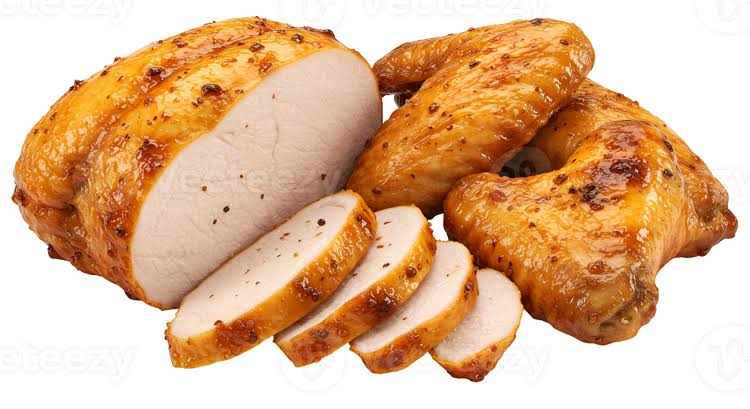
- Chicken
- Beef or lamb
- Milk and dairy products such as yogurt and cheese
Plant-Based Protein Sources:
- Lentils and beans
- Chickpeas
- Nuts and seeds, such as peanuts, cashews, and flaxseeds
- Soybeans and soy-based foods
- Quinoa
- Some vegetables, such as broccoli and spinach
People who follow a vegetarian or predominantly plant-based diet can include a variety of plant protein sources throughout the day to help meet their nutritional needs.
Tips for Getting Enough Protein
- Try to include a source of protein in each main meal rather than consuming most of your protein at only one meal.
- Instead of relying heavily on processed meats or large amounts of red meat, choose a variety of protein sources such as fish, eggs, beans, lentils, and dairy products.
- If you exercise regularly, having a protein-rich meal or snack as part of your post-workout nutrition can support muscle recovery and maintenance.
- If you have kidney disease or another medical condition, talk to your doctor or dietitian before significantly increasing your protein intake.
Final Thoughts
Protein is an essential nutrient that plays a role in almost every part of the body. From building and repairing muscles to supporting immune function, producing hormones and enzymes, and maintaining healthy skin, hair, and nails, protein is essential for overall health and well-being
.Why Is Protein Important? The Importance of Protein for the Human Body
For this reason, it is important to include adequate protein as part of a balanced diet at every stage of life. Along with foods such as rice and bread, regularly including eggs, fish, lentils, beans, and dairy products can help provide the protein your body needs.
Why Is Protein Important? The Importance of Protein for the Human Body
Remember that individual nutritional needs can vary. If you have a specific health condition or are considering making major changes to your diet, consult a qualified doctor or registered dietitian for personalized and safe advice.