
What does the world’s most health-curious audience want to know right now? Search data from the United States, United Kingdom, Canada, and Australia shows a clear pattern. People care less about extreme diets and more about practical questions: how to look after their gut, which supplements are worth taking, how much protein they need, and how to sleep better and handle stress.
This guide covers the health topics that keep showing up in those searches. For each one, you will see what the evidence says, what it does not say, and one simple step to try today. A quick note on the data: the numbers come from several public analyses, and some cover only one country, so treat them as signs of interest rather than exact rankings.
1. Gut Health and the Microbiome
If one topic defines health searches in English-speaking countries, it is gut health. A peer-reviewed Google Trends analysis found that Australia has the highest search interest in “gut microbiome” worldwide, with the United States, Canada, and the United Kingdom also in the top ten. US data has shown fast growth in searches linking gut health with anxiety and mood, too.
The science is still developing, but a few habits have good support. Eating a wide variety of plant foods feeds a more diverse mix of gut bacteria. A 2021 Stanford study found that a diet rich in fermented foods, such as yogurt, kefir, and kimchi, increased microbiome diversity and lowered markers of inflammation over ten weeks. Fiber matters as well, and most adults eat less than they need.

Try this today: add one fermented food and one extra plant food, such as beans or berries, to your meals. Need ideas? See our list of 22 high-fiber foods.
2. Magnesium
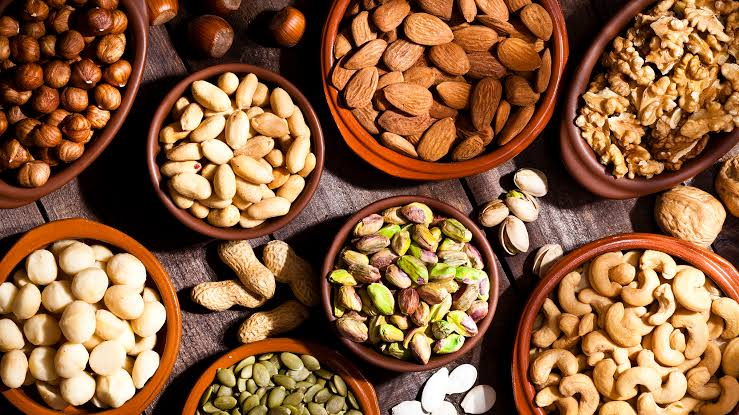
Magnesium is the most searched supplement in the US, with more than half a million monthly searches in one 2025 analysis. It helps your muscles, nerves, blood sugar, and blood pressure work properly. According to the US National Institutes of Health (NIH), adult men need about 400 to 420 mg a day, and women need about 310 to 320 mg. Nuts, seeds, beans, whole grains, and leafy greens are good sources.
Supplements are not risk-free. The NIH sets an upper limit of 350 mg a day for magnesium from supplements, because higher doses can cause diarrhea, nausea, and cramps. Magnesium can also interact with some antibiotics and osteoporosis medicines. Food first, and ask a pharmacist before you start a supplement.
3. Vitamin D
Vitamin D ranks second in that same US supplement list. Your skin makes it from sunlight, so it is a common worry in places with long, dark winters. The NIH says adults aged 19 to 70 need 600 IU a day, and 800 IU after age 70. It also notes that almost one in four people in the US have levels that are too low or inadequate.
Fatty fish, fortified milk, and eggs are good sources. The upper limit from all sources is 4,000 IU a day, and too much, which almost always comes from supplements, can cause nausea and kidney stones. Trials also suggest that vitamin D supplements do not prevent depression or heart disease. If you think you are low, a blood test is the best guide. Learn more in our article on how much sunlight you need each day.
4. Protein and Creatine
Protein and creatine keep climbing as fitness goes mainstream. Protein supports muscle, bones, and fullness, and our guide explains why protein is important. Many healthy adults do well with about 0.8 grams per kilogram of body weight a day, while older adults and very active people may need more. Eggs, fish, beans, lentils, dairy, and tofu cover most needs.
Creatine is one of the most studied sports supplements, and research links it with better strength and power during resistance training. It is generally considered safe for healthy adults at standard doses. People with kidney disease or other conditions should talk to a doctor first, and no supplement replaces good training, food, and sleep.
5. Ultra-Processed Foods
Packaged snacks, sugary drinks, instant noodles, and many ready meals count as ultra-processed foods. In November 2025, outlets including The New York Times and ScienceDaily covered new warnings about their global rise. Observational studies link diets high in these foods with weight gain, heart disease, and type 2 diabetes, although researchers are still working out exactly why.
You do not need to be perfect. Check ingredient lists for long strings of additives, swap sugary drinks for water, and cook simple meals from whole foods a few nights a week. Small changes add up.
6. Sleep and Stress
Sleep optimization has become one of the most mainstream health upgrades, and stress is never far behind. The basics still work best: a regular bedtime, a dark and cool room, less screen time at night, and daily movement. Our guide on how good sleep improves your mental and physical health covers the full routine.

For stress, slow breathing is a free tool backed by randomized trials. A 2023 meta-analysis found small-to-medium reductions in stress, anxiety, and depression scores. Try the 4-4-4-4 pattern in our box breathing guide. If poor sleep or low mood lasts for weeks, speak with a healthcare professional.
7. Daily Walking and Movement
Simple movement is trending too, because it is free and easy to start. You do not need a gym or a perfect step count. A brisk daily walk supports your heart, mood, and energy, and you can build up slowly. Our article on the benefits of walking every day shows what regular walking can do.

Searches about weight loss are shifting too. Instead of crash diets, more people now ask about blood sugar, energy, and long-term habits. If that sounds like you, read our piece on why metabolic health matters more than counting calories. A short walk after meals is a simple place to begin, and it costs nothing.
How to Use These Trends Without Feeling Overwhelmed
Popular does not always mean effective, so choose one change at a time. Start with food, sleep, and movement, since they have the strongest evidence. Add a supplement only when you have a clear reason, and tell your doctor or pharmacist about everything you take.
Frequently Asked Questions
Which health topic is searched most?
It varies by country and year, but gut health, supplements such as magnesium and vitamin D, protein, sleep, and stress are consistently near the top.
Do I need supplements to be healthy?
Most people can meet their needs through a varied diet. Supplements help in specific situations, such as a diagnosed deficiency, so ask a professional first.
Does high search interest mean something works?
No. Search interest shows curiosity, not proof. Always check what the research and trusted health bodies say.
Final Thoughts
The most searched health topics share a theme: people want simple, practical ways to feel better. Look after your gut, eat enough real food, sleep well, manage stress, and keep moving. Those steps are not flashy, but they are the ones with the most support.
Sources: Google Trends analysis of gut microbiome interest (PMC), NIH: Magnesium, NIH: Vitamin D, and Scientific Reports (2023): breathwork and stress. Photos from Unsplash.
This article is for general information only and is not a substitute for professional medical advice, diagnosis, or treatment.