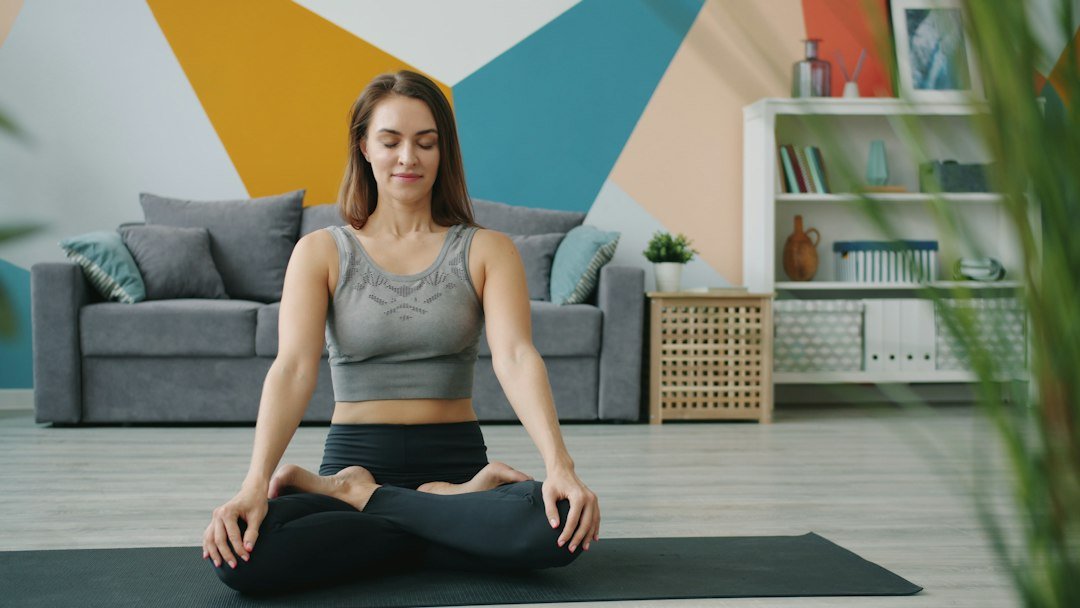
Take a breath right now. Not a big dramatic one, just a slow breath in through your nose for a count of four. Hold it gently for four. Let it out for four. Pause for four. That is box breathing, and you just did your first round.
It is one of the simplest stress-relief techniques around. You need no equipment, no app, and no experience. In this guide, you will learn how it works, what the research really says (and does not say), and how to turn it into a five-minute daily habit.
What Is Box Breathing?
Box breathing, also called square breathing or 4-4-4-4 breathing, is a slow breathing pattern with four equal parts. Picture tracing the sides of a square: one side for breathing in, one for holding, one for breathing out, and one for holding again. Every side lasts the same number of counts.
The method has roots in yogic breathing and is widely taught today for managing stress. The Cleveland Clinic describes relaxation as its main benefit, especially in tense moments, because slow breathing nudges the body out of “fight or flight” and toward its calmer “rest and digest” mode.
How to Do the Box Breathing Technique, Step by Step
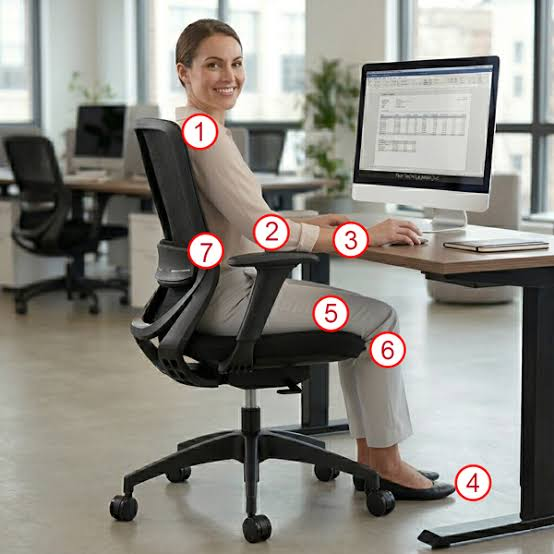
Sit upright with your feet on the floor and your shoulders relaxed. Standing or lying down works too. Then:
- Breathe out gently until your lungs feel empty.
- Breathe in through your nose for 4 counts.
- Hold for 4 counts.
- Breathe out slowly through your mouth for 4 counts.
- Hold with empty lungs for 4 counts.
Repeat this for about four rounds. That takes roughly a minute. Once it feels easy, stretch it to five minutes.
A few tips so it feels natural
- Do not force it. If four counts feels too long, use three. You can build up later.
- Let your belly rise as you breathe in, rather than lifting your shoulders.
- Count silently, or imagine tracing a square, so your mind has something simple to follow.
- If you feel dizzy, stop and breathe normally. Try again more gently later.
Why Does Slow Breathing Calm You Down?
When you are stressed, your heart speeds up and your breathing turns quick and shallow. Slow, steady breathing sends the opposite message to your body. It helps switch on the parasympathetic nervous system, the part that supports calm, recovery, and digestion.
Researchers have also found that deliberately slowing your breath can raise heart rate variability, a measure linked to how flexibly your body responds to stress.
What Does the Research Actually Say?
The evidence is encouraging, with some honest limits. Here are the two studies worth knowing about:
- A 2023 Stanford study in Cell Reports Medicine followed 108 adults for about a month. People were randomly assigned to different daily practices, including box breathing and mindfulness meditation. The breathwork groups reported better mood and lower anxiety, and the benefits grew with the number of days they practiced. A technique called cyclic sighing showed the biggest effect.
- A 2023 meta-analysis in Scientific Reports pooled randomized trials and found small-to-medium reductions in stress, anxiety, and depression scores compared with control groups.
So, in plain language: box breathing and similar slow breathing exercises seem to help many people feel calmer. The effect is modest, not magical, and researchers are still working out which technique suits which person best.
Sources: Cleveland Clinic: Box breathing benefits and Scientific Reports (2023): Effect of breathwork on stress and mental health
Box Breathing Benefits You Can Reasonably Expect
- A quick calm-down in tense moments, like before a meeting or after bad news.
- A clearer head. Counting gives your mind one simple job, which can quiet mental noise.
- Mood support when practiced regularly, based on the studies above.
- An easy habit to stick with. It costs nothing and fits into almost any day.
A 5-Minute Box Breathing Routine
Consistency beats length. Pick one slot and stay with it for a week, then add more if you like.
| When | How long | Why |
|---|---|---|
| Morning, before you check your phone | 1–2 minutes | Start the day calm and focused |
| Before a stressful meeting or task | 1 minute | Settle your nerves |
| Midday break | 2 minutes | Release built-up tension |
| Evening, in a chair or on the floor | 3–5 minutes | Wind down for the night |
Box Breathing Before Sleep
Many people use box breathing as part of a bedtime routine. It may help your body switch from “busy” to “rest,” although research on sleep specifically is more limited than on stress. For best results, pair it with a steady bedtime, dimmer lights, and less screen time. If sleep is a long-term struggle, our guide on how good sleep improves your mental and physical health has more ideas.
Not Comfortable Holding Your Breath?
That is completely fine. Skip the holds and simply make your out-breath longer than your in-breath, for example in for 4 and out for 6. Another option from the Stanford study is cyclic sighing. Take a normal breath in through your nose, add a second short top-up breath, then let out one long, slow breath through your mouth. Try a few minutes and keep whichever feels best.
Who Should Be Careful?
Box breathing is gentle and safe for most people. Still, check with a healthcare professional first if you have asthma, COPD or another lung condition, heart disease or uncontrolled high blood pressure, panic disorder (breath holds can feel uncomfortable), or you are pregnant.
Stop if you feel dizzy, lightheaded, or short of breath. And remember, this is a stress-management tool, not a treatment for anxiety disorders or depression. If you feel anxious or low most days, please speak with a doctor or mental health professional. Our article on depression, its symptoms, causes, and solutions explains when to seek help.
Frequently Asked Questions
How long should I do box breathing?
Start with about four rounds, roughly one minute. You can work up to five minutes, once or several times a day.
Can box breathing help with anxiety?
Studies suggest slow breathing can ease everyday stress and anxiety for many people. It is a helpful tool, but it does not replace professional care for severe or ongoing anxiety.
Is box breathing the same as deep breathing?
Box breathing is one type of slow, deep breathing, with equal counts for each of its four steps. Other methods, like longer out-breaths or cyclic sighing, use different patterns.
When is the best time to practice?
Any time works. Many people like the morning, before a stressful event, or in the evening. Choose the time you will actually stick with.
Final Thoughts
Box breathing will not remove stress from your life, but it gives you a free, portable way to meet it more calmly. Try one minute today. If it helps, build it into your mornings or evenings and give it a few weeks.
Related reading: How to Do Daily Activities to Get Rid of Mental Fatigue · What to Do When You Feel Down: 9 Effective Ways to Improve Your Mood
This article is for general information only and is not a substitute for professional medical advice, diagnosis, or treatment.
Photos by Vitaly Gariev and Khai Vern on Unsplash.