

Discover how lack of sleep affects your body and brain, from impaired memory and mood swings to weakened immunity and increased health risks. Learn why quality sleep is essential for overall well-being.
How Lack of Sleep Affects Your Body and Brain
How Lack of Sleep Affects Your Body and Brain

##How Lack of Sleep Affects Your Body and Brain
In today’s fast-paced world, sleep is often sacrificed in favor of work, social activities, entertainment, or endless scrolling through digital devices. Many people view sleep as a luxury rather than a necessity, believing they can function effectively on just a few hours of rest. However, science consistently shows that sleep is one of the most critical components of physical and mental health.
How Lack of Sleep Affects Your Body and Brain
Sleep is not simply a period of inactivity. While you sleep, your body and brain perform essential processes that support memory, repair tissues, regulate hormones, strengthen the immune system, and maintain emotional balance. When you don’t get enough sleep, these vital functions are disrupted, leading to both short-term and long-term consequences.
Let’s explore how lack of sleep affects your body and brain and why prioritizing quality rest is crucial for your overall well-being.
How Lack of Sleep Affects Your Body and Brain….
Understanding Sleep and Its Importance
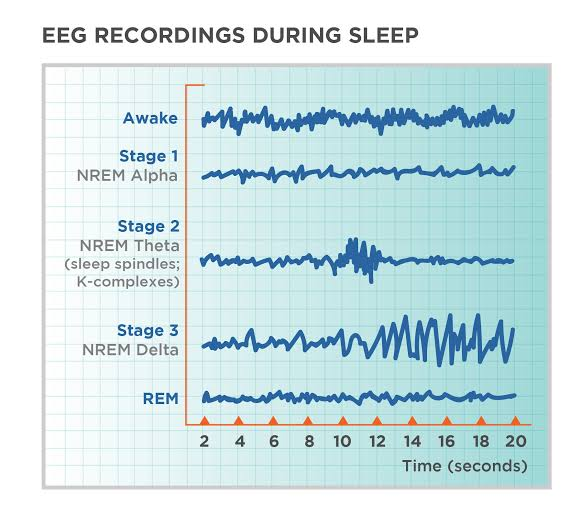
Sleep is a natural biological process that allows the body and mind to recover from daily activities. During sleep, the brain cycles through different stages, including light sleep, deep sleep, and rapid eye movement (REM) sleep.
How Lack of Sleep Affects Your Body and Brain
Each stage serves a unique purpose:
- Deep sleep helps the body repair muscles and tissues.
- REM sleep supports learning, memory, and emotional processing.
- Sleep overall helps regulate hormones and maintain healthy bodily functions.
Most adults need between seven and nine hours of sleep per night to function optimally. Consistently getting less than this amount can lead to sleep deprivation, which negatively impacts nearly every system in the body.
How Sleep Deprivation Affects the Brain
1. Reduced Concentration and Focus
One of the first effects of sleep deprivation is difficulty concentrating. The brain relies on adequate sleep to process information efficiently and maintain attention.
When you’re tired, you may experience:
- Reduced focus
- Increased distractibility
- Slower reaction times
- Poor decision-making
Tasks that normally seem simple can become challenging. This is why sleep-deprived individuals are more likely to make mistakes at work, school, or while driving.
How Lack of Sleep Affects Your Body and Brain
2. Memory Problems
Sleep plays a crucial role in memory consolidation. During sleep, the brain organizes and stores information gathered throughout the day.
Without enough sleep:
- Learning new information becomes more difficult.
- Short-term memory weakens.
- Long-term memory retention declines.
Students who stay up all night studying often discover that lack of sleep actually reduces their ability to recall what they learned.
3. Impaired Decision-Making
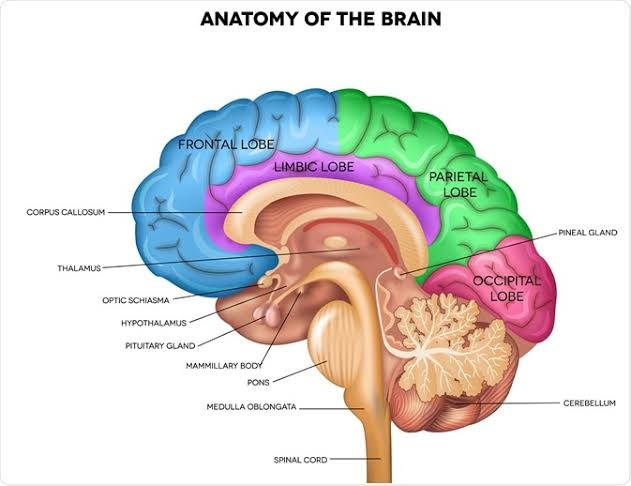
Sleep deprivation affects the prefrontal cortex, the area of the brain responsible for judgment, reasoning, and problem-solving.
As a result, sleep-deprived individuals may:
How Lack of Sleep Affects Your Body and Brain
- Take unnecessary risks
- Make poor financial decisions
- Struggle with planning
- Have difficulty evaluating consequences
This impairment can impact both personal and professional life.
4. Mood Changes and Emotional Instability
Lack of sleep can significantly affect emotional health. Even a single night of poor sleep can increase irritability and stress levels.
Common emotional effects include:
- Mood swings
- Anxiety
- Increased frustration
- Reduced patience
- Heightened emotional reactions
- How Lack of Sleep Affects Your Body and Brain
Over time, chronic sleep deprivation may contribute to mental health conditions such as depression and anxiety disorders.
5. Increased Risk of Mental Health Disorders
Research has found a strong connection between poor sleep and mental health issues.
Chronic sleep deprivation may increase the risk of:
- Depression
- Anxiety disorders
- Bipolar disorder symptoms
- Chronic stress
Sleep and mental health have a two-way relationship. Poor sleep can worsen mental health symptoms, while mental health challenges can make it harder to sleep.
How Lack of Sleep Affects Your Body and Brain
How Lack of Sleep Affects the Body
1. Weakens the Immune System
Sleep is essential for a healthy immune response. During sleep, the body produces proteins called cytokines that help fight infections and inflammation.
Without sufficient sleep:
- The immune system becomes less effective.
- Recovery from illness slows down.
- Susceptibility to infections increases.
People who consistently sleep less than recommended are more likely to catch colds and other illnesses.
2. Increases the Risk of Heart Disease
Poor sleep can place significant strain on the cardiovascular system.
How Lack of Sleep Affects Your Body and Brain
Sleep deprivation is linked to:
- High blood pressure
- Increased heart rate
- Inflammation
- Higher risk of heart attack
- Greater likelihood of stroke
- How Lack of Sleep Affects Your Body and Brain
Over time, chronic sleep loss can contribute to serious cardiovascular problems.
3. Causes Weight Gain
Many people don’t realize that sleep and weight management are closely connected.
Sleep affects hormones that regulate hunger:
- Ghrelin increases appetite.
- Leptin signals fullness.
When you don’t get enough sleep, ghrelin levels rise while leptin levels fall. As a result, you feel hungrier and may crave high-calorie foods.
Additionally, fatigue reduces motivation for physical activity, further contributing to weight gain.
4. Disrupts Blood Sugar Control
Sleep deprivation affects how the body processes glucose.
Insufficient sleep can:
- Reduce insulin sensitivity
- Increase blood sugar levels
- Raise the risk of insulin resistance
- How Lack of Sleep Affects Your Body and Brain
Over time, these effects may increase the likelihood of developing type 2 diabetes.
5. Slows Physical Recovery
Whether you’re an athlete or simply active during the day, your body needs sleep for recovery.
During sleep:
- Muscles repair themselves.
- Growth hormone is released.
- Tissue healing occurs.
Without adequate rest, recovery slows, increasing the risk of fatigue, injury, and reduced physical performance.
The Impact on Daily Performance
Workplace Productivity
Employees who don’t get enough sleep often struggle with:
- Lower productivity
- Poor concentration
- Reduced creativity
- Increased errors
Studies have shown that sleep deprivation can impair performance similarly to alcohol intoxication.
Academic Performance
Students who regularly experience sleep deprivation often find it difficult to:
- Focus during lessons
- Retain information
- Complete assignments efficiently
- Perform well on exams
Quality sleep is just as important as studying when it comes to academic success.
Driving Safety
Drowsy driving is a serious public safety issue.
Lack of sleep can lead to:
How Lack of Sleep Affects Your Body and Brain
- Slower reaction times
- Reduced awareness
- Microsleeps (brief involuntary sleep episodes)
Driving while severely sleep-deprived can be as dangerous as driving under the influence of alcohol.
Long-Term Consequences of Chronic Sleep Deprivation
Occasional sleep loss may be manageable, but chronic sleep deprivation can have lasting effects.
Potential long-term consequences include:
Obesity
Hormonal imbalances and increased appetite can lead to significant weight gain over time.
Diabetes
Long-term disruption of glucose metabolism raises the risk of developing type 2 diabetes.
Cardiovascular Disease
Persistent sleep deprivation increases the likelihood of heart disease, hypertension, and stroke.
Cognitive Decline
Poor sleep over many years may contribute to memory problems and age-related cognitive decline.
Reduced Life Expectancy
Research suggests that chronic sleep deprivation may be associated with a shorter lifespan due to its impact on multiple body systems.
How Lack of Sleep Affects Your Body and Brain
Signs You May Not Be Getting Enough Sleep
Many people underestimate how sleep-deprived they are.
Common warning signs include:
- Feeling tired during the day
- Difficulty concentrating
- Frequent yawning
- Irritability
- Reliance on caffeine
- Falling asleep quickly when sitting quietly
- Trouble remembering information
If these symptoms occur regularly, your sleep habits may need attention.
Tips for Improving Sleep Quality
Fortunately, small lifestyle changes can significantly improve sleep.
Maintain a Consistent Schedule
How Lack of Sleep Affects Your Body and Brain
Go to bed and wake up at the same time every day, including weekends.
Limit Screen Time Before Bed
Blue light from phones, tablets, and computers can interfere with melatonin production.
Create a Sleep-Friendly Environment
Make your bedroom:
- Dark
- Quiet
- Cool
- Comfortable
Avoid Heavy Meals and Caffeine Late in the Day
Both can interfere with your ability to fall asleep and stay asleep.
Exercise Regularly
Physical activity supports better sleep, though intense exercise should be avoided close to bedtime.
Manage Stress
Practices such as meditation, deep breathing, and journaling can help calm the mind before sleep.
Conclusion
Sleep is not merely a period of rest—it’s a vital biological function that supports every aspect of physical and mental health. When sleep is consistently lacking, the effects extend far beyond feeling tired. Memory, concentration, mood, immunity, heart health, metabolism, and overall quality of life can all suffer.
How Lack of Sleep Affects Your Body and Brain
In a culture that often celebrates being busy, sleep is sometimes overlooked. Yet prioritizing adequate rest may be one of the most powerful investments you can make in your long-term health and well-being. By understanding the effects of sleep deprivation and adopting healthier sleep habits, you can protect your body, strengthen your brain, and improve your overall quality of life.