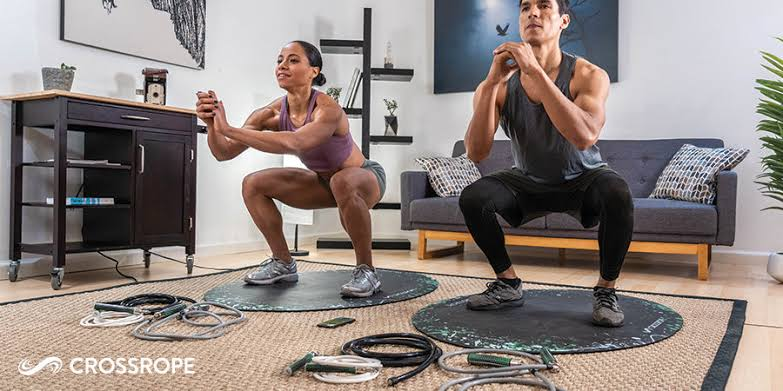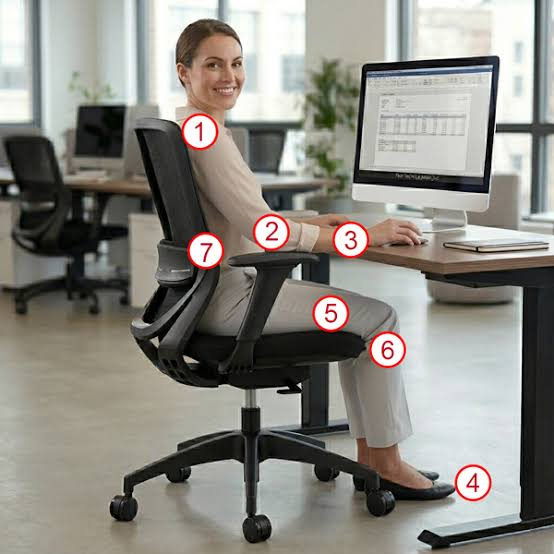
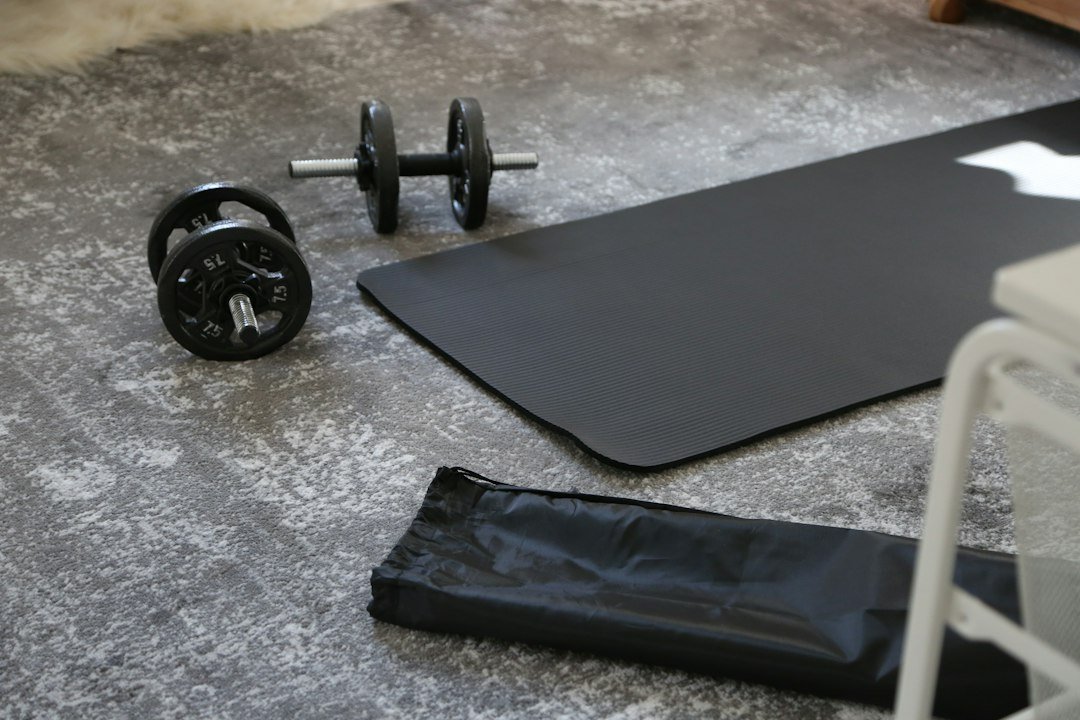
When people think about getting healthier, they usually think of walking, running or cycling. Those are great, but there is a second half of the fitness picture that many adults skip: strength training. Searches for “strength training for beginners” and “how to build muscle at home” keep climbing across the US, UK, Canada and Australia, and for good reason. This guide explains what major health organizations say about muscle-strengthening, how much you need, and a simple home routine you can start this week, no gym required.
Why strength training matters for your health
Strength training, also called resistance training, means making your muscles work against a force such as body weight, a resistance band or a dumbbell. According to Mayo Clinic, it can help you build and keep muscle and strength as you age, may help protect bone strength, and may support weight management and calorie burn.
The benefits go beyond muscles. Mayo Clinic says strength training can improve balance, lower your risk of falls and help you stay independent. It also notes possible benefits for conditions such as arthritis, heart disease, diabetes, depression and anxiety. The research is stronger for some of these than others, so think of strength training as one helpful tool, not a cure.
The muscle you lose if you do nothing
Here is the part that surprises many people. Mayo Clinic explains that lean muscle mass and strength tend to decline with age, and that if the lost muscle is not replaced, your percentage of body fat will likely rise. In other words, a body that is not challenged slowly shifts away from muscle and toward fat, even if the number on the scale barely changes.
The good news is that muscle responds to training at nearly any age. Starting in your 30s or 40s gives you a head start, and starting later still helps with everyday tasks such as carrying shopping, climbing stairs and getting up from a chair.
How much do you need?
The answer is smaller than most people expect. The US Centers for Disease Control and Prevention (CDC) recommends that adults do muscle-strengthening activity on at least 2 days a week, working all the major muscle groups: legs, hips, back, abdomen, chest, shoulders and arms. The NHS in the UK gives the same advice: strength exercises at least twice a week.
Mayo Clinic adds some practical detail:
- Sessions can be about 20 to 30 minutes.
- One set of each exercise is enough for health and fitness benefits.
- Choose a weight heavy enough that your muscles feel tired after about 12 to 15 repetitions.
- Rest one full day between working the same muscle group.
Strength work does not replace cardio. The CDC’s weekly target for aerobic activity is 150 minutes of moderate activity, such as brisk walking, or 75 minutes of vigorous activity. The two types work together, and our guides to aerobic exercise at home and daily walking cover the cardio side.
A simple beginner routine you can do at home
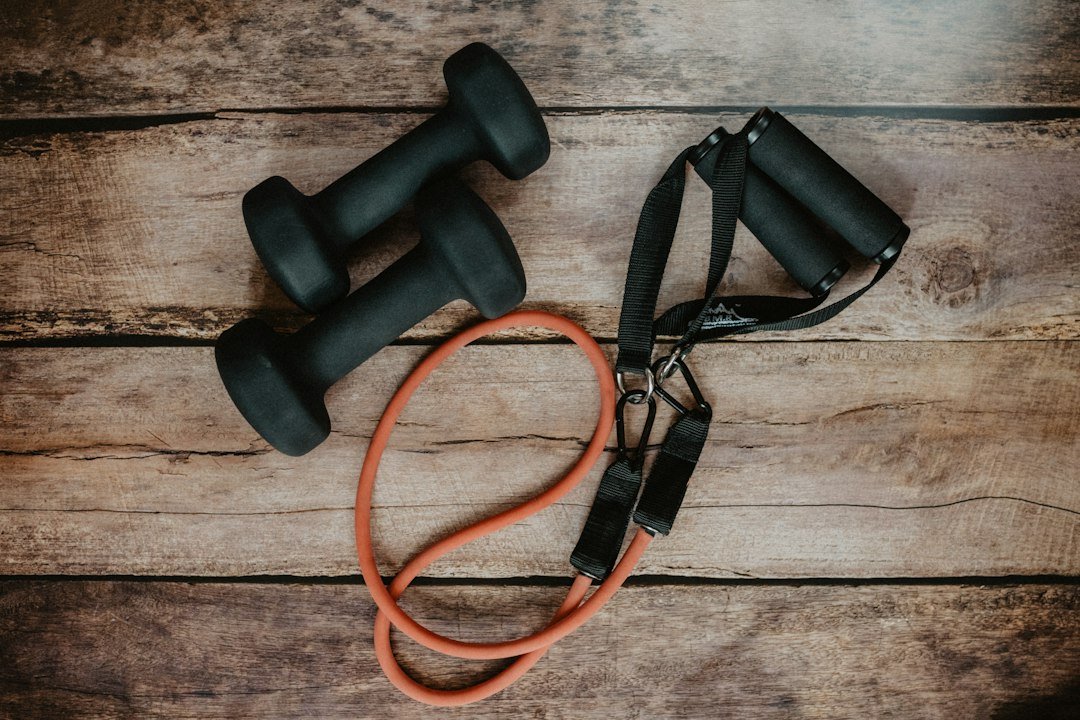
The NHS publishes a gentle set of strength exercises designed to be done at home, using only a sturdy chair, a wall and light weights. Filled water bottles work as weights. Start with these and build up slowly:
- Sit-to-stand: stand up from a chair and sit back down slowly, 5 times. Use your legs to rise, not your arms.
- Mini-squats: hold a chair or counter, bend your knees slightly, keep your back straight, 5 times.
- Calf raises: rise onto your toes and lower slowly, 5 times. It is harder without holding a chair.
- Sideways leg lifts: lift one leg out to the side, 5 times per leg, without tilting your body.
- Leg extensions: seated, straighten one leg and hold for up to 5 seconds, 5 times per leg, without arching your back.
- Wall press-ups: a gentler push-up against a wall, 3 sets of 5 to 10.
- Biceps curls: with light weights or water bottles, 3 sets of 5 per arm. You can do these seated.
Once these feel easy, add repetitions, then weight. If you want more ideas that need no equipment, see our post on staying fit without going to the gym.
A sample week that fits it all in
Putting the guidelines together is easier than it sounds. Here is one way to meet both the strength and aerobic targets without overloading your week:
- Monday: strength routine, about 20 to 30 minutes.
- Tuesday: 30-minute brisk walk.
- Wednesday: 30-minute brisk walk or a rest day.
- Thursday: strength routine again, with a day of rest for your muscles in between.
- Friday and weekend: 30 minutes of any activity you enjoy, such as walking, cycling or swimming.
Adjust the days to suit your schedule. What matters most is that you repeat it week after week, so choose a plan you can realistically keep.
Getting started safely
Good form protects you more than heavy weights do. Pull together the safety advice from Mayo Clinic and the NHS:
- Warm up first. Mayo suggests a few minutes of brisk walking or another light aerobic activity.
- Use a stable chair. The NHS recommends a solid chair without wheels that will not slip, with your feet flat and knees bent at right angles.
- Breathe. Do not hold your breath while lifting.
- Stop if something hurts. Mayo says to stop any exercise that causes pain, then try a lower weight or try again in a few days.
- Increase gradually. Add weight only when you can easily do more repetitions.
- Ask for help if you are new. A trainer or fitness specialist can check your form, and a healthcare professional can advise if you have a chronic condition or safety concerns.
Does food matter too?
Yes. Muscles need fuel and building blocks, and protein is a major part of that. Our guide to why protein matters explains how much most people need and where to find it. Eating enough, sleeping well and giving muscles a rest day between sessions all help your body recover.
Common beginner questions
Will I get bulky? Not from a few light sessions a week. The routines described by Mayo Clinic and the NHS aim at general health and function, not bodybuilding.
Do I need a gym? No. Your own body weight, a chair, a wall, resistance bands or water bottles are enough to begin.
I have not exercised in years. Is it too late? The NHS notes that you should not worry if you have been inactive, since its home exercises are gentle. Begin with fewer repetitions and build up.

The bottom line
You do not need long workouts or expensive equipment. Two short sessions a week that work all the major muscle groups, a weight you can lift 12 to 15 times, and a rest day between sessions give you a solid foundation. Start small, focus on form, and build up as you get stronger. Over time, you protect your muscles, bones and balance, which helps you stay active and independent for longer.
This article is for general information and is not medical advice. Please read our Medical Disclaimer and talk to a qualified professional before starting a new exercise program, especially if you have a health condition.