
Discover 10 easy aerobic exercises you can do at home to improve fitness, support weight management, and build a healthy workout routine
Aerobic Exercise: Start Your Fitness Journey at Home Today
Introduction
Regular exercise is essential for maintaining good health and staying physically fit. However, busy schedules, limited time, and gym membership costs can make it difficult for many people to exercise consistently. Some people start going to the gym but lose motivation after a few days or weeks.
Aerobic Exercise: Start Your Fitness Journey at Home Today
If you face similar challenges, exercising at home can be a practical alternative. You do not always need expensive equipment or a gym membership to stay active. By practicing simple aerobic exercises regularly, you can improve your fitness and support your overall health.
Aerobic exercise, commonly known as cardio, helps improve heart and lung function, burn calories, and support healthy weight management. Regular physical activity may also contribute to better mental well-being.
In this article, you will learn what aerobic exercise is, its potential health benefits, and 10 simple exercises you can do at home to begin your fitness journey.
What Is Aerobic Exercise?
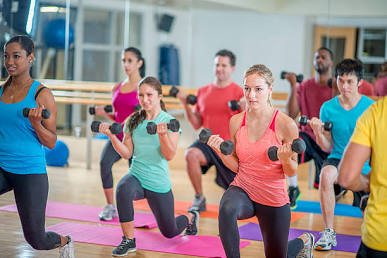
Aerobic exercise refers to physical activity that uses large muscle groups rhythmically over an extended period and increases the body’s demand for oxygen. These activities generally increase your heart rate and breathing rate.
Aerobic Exercise: Start Your Fitness Journey at Home Today
Common examples include walking, brisk walking, cycling, swimming, dancing, and jumping rope.
Regular aerobic exercise can improve cardiovascular fitness and physical endurance. It may also make everyday activities easier by helping you remain active and energetic.
If you are a beginner, you do not need to start with difficult workouts. Choose exercises that match your current fitness level and gradually increase the duration and intensity as your body adapts.
7 Health Benefits of Aerobic Exercise
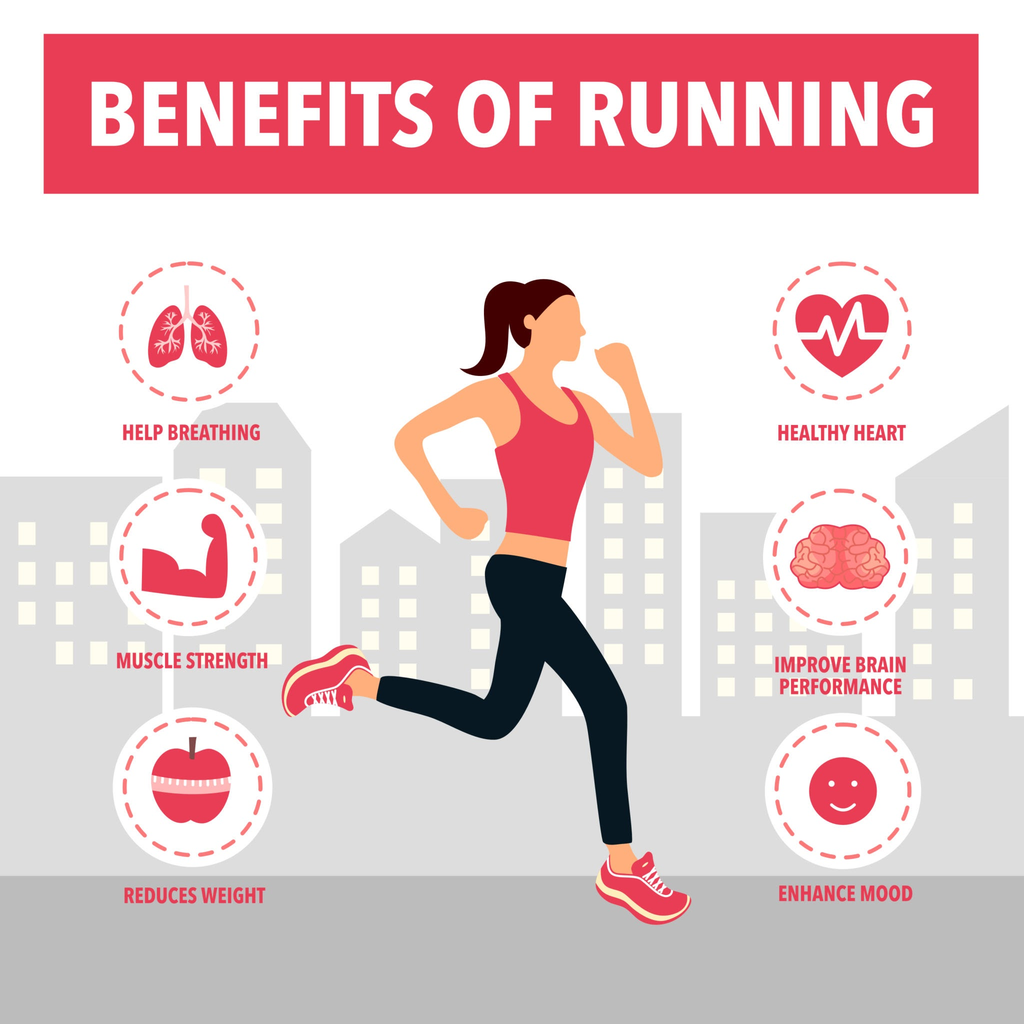
Aerobic exercise is beneficial not only for weight management but also for overall health. Here are seven important potential benefits of incorporating regular physical activity into your routine.
1. Helps Manage Body Weight
Aerobic exercise increases the number of calories your body uses. When combined with healthy eating habits, regular exercise can help you manage your weight.
However, performing a particular exercise does not automatically eliminate belly fat. Reducing overall body fat requires a combination of regular physical activity, a balanced diet, and adequate sleep.
2. Supports Heart Health
Regular aerobic exercise helps your heart work more efficiently. Over time, it can contribute to better cardiovascular health and support the healthy functioning of your heart and blood vessels.
Activities such as brisk walking, cycling, and moderate-intensity cardio exercises are useful options.
3. Helps Control Blood Pressure
Regular physical activity can help prevent and manage high blood pressure. However, people with hypertension should consult a healthcare professional before beginning a new exercise routine, particularly if their blood pressure is not well controlled.
4. Helps Reduce Stress
Exercise can positively affect both physical and mental well-being. Regular physical activity may help reduce stress and improve mood.
Even 10–15 minutes of walking or light cardio during a busy day can be a helpful way to stay active.
5. Improves Energy and Endurance
Regular exercise can gradually improve physical endurance, especially for people who become tired during everyday activities.
As your fitness improves, activities such as climbing stairs, walking longer distances, and completing daily tasks may become easier.
6. Supports Blood Sugar Management
Physical activity can improve the body’s sensitivity to insulin and help regulate blood sugar levels.
However, people with diabetes should consider their blood sugar levels, medications, exercise timing, and individual health needs when planning a workout. Consult a healthcare professional if you need guidance.
7. May Improve Sleep Quality
Regular exercise may improve sleep quality for many people. Adequate sleep is essential for recovery, daily performance, and overall well-being.
Combining regular physical activity with a consistent sleep schedule can support a healthier lifestyle.
A Simple 15-Minute Aerobic Exercise Routine for Beginners
You do not need to perform all 10 exercises in a single workout. Starting with a short routine and building consistency is often more manageable.
Here is an example of a simple 15-minute routine you can try at home.
| Duration | Exercise | What to Do |
|---|
| 3 minutes | Warm-up | Walk slowly and move your arms and legs |
| 2 minutes | Jumping jacks | Use the low-impact version if needed |
| 2 minutes | High knees | Gradually increase your knee height |
| 2 minutes | Mountain climbers | Move at a controlled pace |
| 2 minutes | Squat jacks | Substitute regular squats if needed |
| 2 minutes | Brisk walking | Walk around your home |
| 2 minutes | Cool-down | Walk slowly and allow your breathing to return to normal |
Important: This is a sample routine, not a personalized exercise prescription. Reduce the duration of individual exercises if necessary, and rest between movements. Adjust the routine according to your fitness level and physical needs.
How Many Days a Week Should You Do Aerobic Exercise?
General physical activity guidelines recommend that adults aim for at least 150 minutes of moderate-intensity aerobic activity per week. Alternatively, adults can aim for 75 minutes of vigorous-intensity aerobic activity or a combination of moderate and vigorous activity.
Aerobic Exercise: Start Your Fitness Journey at Home Today….
Adults are also generally advised to perform muscle-strengthening activities at least two days per week.
However, if you are new to exercise, you do not need to reach these targets immediately.
Here is one way to get started:
- Week 1: Try five to 10 minutes of light exercise on days that suit you.
- Week 2: Gradually increase the duration according to your fitness level.
- Week 3: Aim to exercise regularly on most days of the week.
- Following weeks: Gradually work toward the general target of 150 minutes of moderate-intensity aerobic activity per week.
Remember that 150 minutes is a general guideline, not a requirement that everyone must follow in exactly the same way. If you have a medical condition, physical limitations, or specific instructions from your healthcare professional, adjust your activity goals accordingly.
7 Things to Remember Before Doing Aerobic Exercise
To benefit from exercise, it is important to focus on safety as well as consistency.
1. Warm Up Before Exercising
Spend three to five minutes walking slowly and moving your arms and legs to prepare your body for exercise.
2. Start With Easy Exercises
You do not need to begin with burpees or fast jumping jacks. Choose movements that match your current fitness level.
3. Wear Appropriate Shoes
Comfortable, supportive shoes are particularly important when performing jumping exercises or climbing stairs.
4. Stay Hydrated
Drink water before and after your workout. Pay attention to your fluid needs, especially when exercising in hot weather or sweating heavily.
5. Allow Time for Recovery
Take breaks when you feel tired. You do not need to perform high-intensity workouts every day.
6. Maintain Proper Form
Performing exercises correctly is more important than completing them quickly. Good technique can help reduce the risk of injury.
7. Listen to Your Body
Stop exercising if you experience chest pain, dizziness, or unusual shortness of breath. Seek prompt medical attention if symptoms are severe or persistent.
People with heart disease, uncontrolled high blood pressure, chronic medical conditions, or joint problems should consult a healthcare professional before beginning a new or vigorous exercise routine.
Can You Lose Weight by Exercising at Home?
Yes, regular exercise at home can help you manage your weight. However, your results depend on several factors, including your eating habits, overall physical activity, sleep, exercise intensity, and consistency.
Consider incorporating these healthy habits into your routine:
- Include vegetables, fruits, protein-rich foods, and fiber-rich foods in your daily diet.
- Limit excessive consumption of high-calorie foods and sugary drinks.
- Walk regularly and avoid sitting in one position for extended periods.
- Maintain a consistent sleep schedule.
- Focus on sustainable lifestyle changes rather than trying to lose weight too quickly.
Remember: You cannot reliably reduce fat from one specific body part simply by exercising that area. Changes in body fat occur as part of the body’s overall fat-loss process.
What Equipment Do You Need for Home Workouts?
You do not need special equipment to begin aerobic exercise. Activities such as walking, high knees, and low-impact jumping jacks can be performed using your body weight alone.
However, depending on your needs and budget, you may find the following equipment useful:
- Jump Rope: For cardio exercise and coordination training.
- Yoga Mat: For added comfort when exercising on the floor.
- Walking Pad: For walking indoors when outdoor walking is inconvenient.
- Resistance Bands: For muscle-strengthening exercises.
- Adjustable Dumbbells: For a variety of strength-training exercises.
Before purchasing any equipment, consider your fitness goals, available space, budget, and safety needs.
No exercise machine or fitness product guarantees rapid weight loss. Consistent use, appropriate exercise, and healthy lifestyle habits are more important than the equipment itself.
Frequently Asked Questions About Aerobic Exercise
1. Can You Do Aerobic Exercise Every Day?
Yes, many forms of moderate-intensity aerobic exercise can be performed daily, depending on your fitness level and health. However, exercise intensity, duration, and recovery needs should be considered. Beginners should start with shorter sessions.
2. Which Aerobic Exercises Are Best for Weight Loss at Home?
Brisk walking, jumping jacks, high knees, jumping rope, and mountain climbers are examples of exercises you can do at home.
The best option for you depends on your fitness level, age, health, and physical abilities.
3. How Long Should You Do Cardio Every Day?
If you are a beginner, start with five to 10 minutes and gradually increase your exercise time.
As your fitness improves, work toward the general guideline of at least 150 minutes of moderate-intensity aerobic activity per week.
Aerobic Exercise: Start Your Fitness Journey at Home Today
4. Does Aerobic Exercise Reduce Belly Fat?
Regular aerobic exercise can help reduce overall body fat. However, it cannot guarantee fat loss from a specific area, such as the belly.
Healthy eating, adequate sleep, and regular physical activity all contribute to effective weight management.
5. Which Aerobic Exercise Is Easiest for Beginners?
Walking, marching in place, and low-impact jumping jacks are good starting options for many beginners.
You can gradually introduce more challenging movements as your fitness and endurance improve.
6. Is It Better to Exercise in the Morning or Evening?
The best time to exercise is generally the time that fits your schedule and allows you to remain consistent.
There is no single time of day that is ideal for everyone. Regular exercise is more important than choosing a particular hour.
Conclusion
You do not always need to visit a gym or purchase expensive exercise equipment to stay fit. With a simple plan, regular practice, and healthy lifestyle habits, you can begin your fitness journey at home.
Aerobic Exercise: Start Your Fitness Journey at Home Today
Exercises such as jumping jacks, mountain climbers, jumping rope, high knees, and brisk walking can help you become more physically active.
However, avoid pushing yourself too hard at the beginning. Choose exercises that suit your abilities and gradually increase your workout duration and intensity.
Aerobic Exercise: Start Your Fitness Journey at Home Today
Start with just 10 minutes of exercise today. Build a consistent routine and give your body time to adapt.
Remember, staying healthy is not about following a perfect workout routine. It is about remaining physically active and making sustainable choices every day.
Disclaimer
This article is intended for general educational and informational purposes only. It is not a substitute for professional medical advice, diagnosis, or treatment.
If you have a chronic medical condition, heart disease, joint problems, or physical limitations that may affect your ability to exercise, consult a qualified healthcare professional before beginning a new workout routine.
Stop exercising if you experience pain, dizziness, or unusual shortness of breath. Seek medical attention when necessary.