

Discover how sleep impacts brain function, metabolism, blood sugar, hormones, and weight management. Learn science-backed tips to improve sleep quality and support better overall health
The Crucial Role of Sleep in Brain Function and Metabolism
The Crucial Role of Sleep in Brain Function and Metabolism
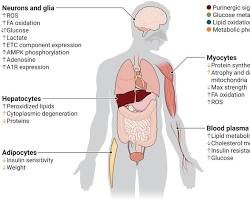
Whether it’s an early morning flight, a demanding work deadline, caring for a sick child, or simply lying awake due to stress, almost everyone experiences a sleepless night from time to time. While a single night of poor sleep may leave you feeling tired and unfocused, your body can usually recover with adequate rest the following night.
The Crucial Role of Sleep in Brain Function and Metabolism
The real concern begins when poor sleep becomes a regular habit. Millions of adults consistently get fewer than the recommended seven hours of sleep each night, often without realizing the long-term effects. Chronic sleep deprivation doesn’t just leave you feeling exhausted—it can significantly impact your brain, metabolism, hormones, and overall health.
Let’s explore why getting enough quality sleep is one of the most powerful things you can do for your body and mind.
How Sleep Affects Brain Function

Sleep plays a vital role in maintaining healthy brain function. During sleep, your brain processes information, consolidates memories, and repairs neural connections that support learning and cognitive performance.
When you consistently get too little sleep, you may experience:
- Reduced concentration and focus
- Slower reaction times
- Poor decision-making
- Difficulty learning new information
- Impaired short-term and long-term memory
- Increased mental fatigue
Research consistently shows that sleep deprivation negatively affects alertness, attention, and cognitive performance, making everyday tasks more difficult and increasing the risk of accidents and mistakes.
Sleep and Your Metabolism: A Powerful Connection

Your metabolism is responsible for converting food into energy and regulating important processes such as blood sugar control, fat burning, and energy production.
The Crucial Role of Sleep in Brain Function and Metabolism
Quality sleep helps keep these metabolic processes functioning efficiently. However, chronic sleep loss can disrupt your body’s ability to process glucose effectively.
Studies have found that adults who slept only four hours per night for six consecutive nights experienced approximately a 40% reduction in glucose tolerance, even after several nights of recovery sleep.
Poor glucose regulation forces the body to work harder to maintain healthy blood sugar levels and may increase the risk of developing insulin resistance over time.
Sleep Deprivation Increases the Risk of Type 2 Diabetes
The connection between sleep and diabetes has become increasingly clear.
Long-term sleep restriction has been associated with a greater risk of developing Type 2 diabetes. In one large study involving nurses who regularly worked long shifts and frequently slept only five hours per night, researchers observed a significantly higher risk of Type 2 diabetes compared to those who consistently achieved adequate sleep.
The Crucial Role of Sleep in Brain Function and Metabolism
Although sleep alone doesn’t determine diabetes risk, insufficient sleep is now recognized as an important lifestyle factor alongside nutrition and physical activity.
How Lack of Sleep Affects Hunger Hormones
Have you ever noticed that you’re hungrier after a poor night’s sleep? That’s not your imagination.
Sleep directly influences hormones that regulate appetite.
One of the most important hormones is leptin, often called the “fullness hormone.” Leptin signals your brain that you’ve had enough to eat and helps reduce appetite.
When you don’t get enough sleep:
- Leptin levels decrease
- Hunger increases
- Appetite rises
- Food cravings become stronger
- High-calorie foods become more appealing
Research has shown that sleep deprivation can reduce leptin levels by nearly 19%. In another study, participants restricted to four hours of sleep for two nights experienced:
- A 24% increase in hunger
- A 23% increase in appetite
This hormonal imbalance may make maintaining healthy eating habits much more difficult.
Sleep and Weight Management

Poor sleep is frequently associated with higher body weight and obesity.
Numerous studies have found that people who regularly sleep fewer than seven to eight hours tend to have a higher Body Mass Index (BMI). While researchers continue studying the exact relationship, evidence strongly suggests that insufficient sleep contributes to weight gain by:
The Crucial Role of Sleep in Brain Function and Metabolism
- Increasing hunger
- Reducing feelings of fullness
- Lowering energy levels
- Decreasing physical activity
- Disrupting normal metabolism
Interestingly, several studies suggest that adults sleeping approximately 7 to 8 hours per night generally maintain the healthiest average BMI.
Simple Habits That Can Improve Your Sleep
The good news is that improving sleep often starts with small, consistent lifestyle changes.
Here are several science-backed strategies to help you sleep better.
1. Limit Stimulants Before Bed
Avoid caffeine, nicotine, and excessive alcohol in the hours leading up to bedtime. Although alcohol may help you fall asleep faster, it often disrupts deep, restorative sleep later in the night.
2. Establish a Relaxing Bedtime Routine
Spend the last 30 minutes before bed winding down. Consider activities such as:
- Reading a book
- Gentle stretching
- Meditation
- Listening to calming music
- Watching a relaxing television program
- The Crucial Role of Sleep in Brain Function and Metabolism
Avoid stressful conversations or work-related tasks that can keep your mind active.
3. Create a Sleep-Friendly Environment
Your bedroom should encourage restful sleep by being:
- Cool
- Quiet
- Dark
- Comfortable
- The Crucial Role of Sleep in Brain Function and Metabolism
Reduce exposure to blue light from phones, tablets, and computers before bedtime, as it can interfere with your body’s natural production of melatonin.
If outside noise is a problem, consider using earplugs or a white noise machine.
4. Time Your Naps Carefully
Short daytime naps can be beneficial, but timing matters.
Sleep experts recommend avoiding naps after 5:00 PM, as late-afternoon naps may reduce your natural sleep drive and make it harder to fall asleep at night.
The Crucial Role of Sleep in Brain Function and Metabolism
5. Avoid Heavy Meals Before Bed
Eating large or rich meals close to bedtime can cause digestive discomfort that interferes with sleep quality.
Instead, finish heavier meals several hours before bedtime and choose lighter snacks if needed.
Make Sleep a Priority for Better Health
Sleep is far more than simply resting. It is one of the body’s most important recovery processes, supporting brain function, hormone regulation, metabolism, blood sugar control, and healthy weight management.
The Crucial Role of Sleep in Brain Function and Metabolism
While occasional sleepless nights are unavoidable, making quality sleep a consistent priority can have lasting benefits for both your physical and mental well-being.
If you’re looking to improve your energy, metabolic health, cognitive performance, and overall quality of life, start with one simple habit: give yourself enough time to get the restorative sleep your body truly needs.
Final Thoughts
The Crucial Role of Sleep in Brain Function and Metabolism
Healthy nutrition and regular exercise are essential, but they work best when paired with quality sleep. By developing better sleep habits, you can improve your metabolism, reduce your risk of chronic disease, support healthy weight management, and wake up feeling more energized every day.
The Crucial Role of Sleep in Brain Function and Metabolism
Remember, better health doesn’t begin in the gym—it often begins the night before with a good night’s sleep.