Discover the best nutritious foods to eat every day and learn practical healthy eating habits that support long-term wellness. Explore simple tips, balanced meal ideas, and sustainable nutrition strategies.
Your Year-Round Guide to Better Health
Nutritious Foods to Eat Every Day: Your Year-Round Guide to Better Health
##Your Year-Round Guide to Better Health
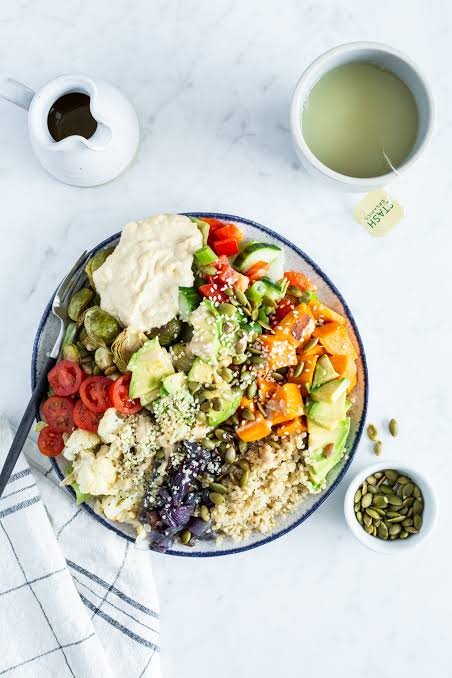
Healthy eating isn’t about following restrictive diets or chasing the latest food trends. True nutrition comes from building balanced eating habits that you can maintain every day. Small, consistent improvements to your diet often deliver greater long-term benefits than dramatic short-term changes.
Your Year-Round Guide to Better Health
Instead of focusing on one “superfood” or eliminating entire food groups, aim to enjoy a variety of nutrient-rich foods that provide your body with the vitamins, minerals, protein, fiber, and healthy fats it needs to thrive.
This guide explains the best nutritious foods to eat every day and shares practical strategies to help you create healthy habits that last throughout the year.
Why Eating a Balanced Diet Matters
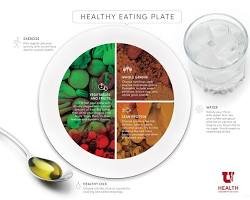
No single food contains every nutrient your body needs. Good nutrition comes from combining different foods that work together to support your overall health.
Your Year-Round Guide to Better Health
A balanced diet can help:
- Support heart health
- Strengthen your immune system
- Improve digestion
- Increase energy levels
- Maintain healthy bones and muscles
- Support brain function
- Promote healthy weight management
The key is variety. Eating foods from different food groups ensures your body receives a complete range of essential nutrients.
Best Nutritious Foods to Eat Every Day
1. Fill Your Plate with Colorful Vegetables
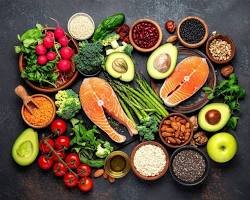
Vegetables are among the most nutrient-dense foods available. They provide fiber, vitamins, antioxidants, and minerals while being naturally low in calories.
Great daily choices include:
- Spinach
- Kale
- Broccoli
- Bell peppers
- Carrots
- Tomatoes
- Sweet potatoes
- Cauliflower
- Your Year-Round Guide to Better Health
Dark leafy greens are especially rich in vitamin K, folate, and iron, making them an excellent addition to salads, smoothies, and cooked meals.
2. Enjoy Fresh Fruits Daily
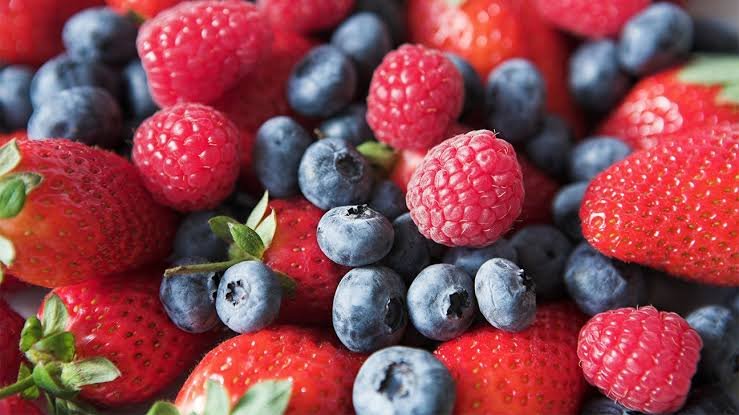
Fruit offers natural sweetness along with essential nutrients and antioxidants that help protect your body.
Healthy options include:
- Apples
- Bananas
- Berries
- Oranges
- Grapes
- Pears
- Mangoes
- Kiwi
- Your Year-Round Guide to Better Health
Different fruits provide different health benefits, so try to include a variety throughout the week.
3. Add Beans and Legumes
Beans, lentils, chickpeas, and peas are nutritional powerhouses.
They’re rich in:
- Plant-based protein
- Dietary fiber
- Iron
- Magnesium
- Potassium
- Folate
- Your Year-Round Guide to Better Health
Legumes help keep you full longer while supporting digestive and heart health.
4. Choose Whole Grains
Whole grains contain more nutrients and fiber than refined grains.
Healthy options include:
- Oats
- Brown rice
- Quinoa
- Barley
- Whole wheat bread
- Whole grain pasta
These foods provide lasting energy and help maintain healthy blood sugar levels.
5. Include Dairy or Fortified Alternatives
Milk, yogurt, cheese, and fortified plant-based alternatives provide important nutrients such as:
Your Year-Round Guide to Better Health
- Calcium
- Vitamin D
- Protein
- Potassium
These nutrients are essential for strong bones and healthy muscles.
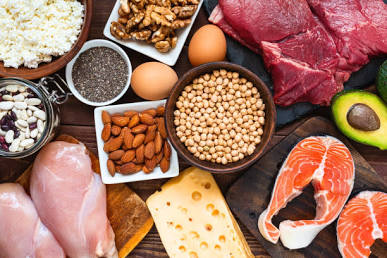
6. Eat Lean Protein Every Day
Protein supports muscle growth, tissue repair, and overall body function.
Choose a variety of protein sources, including:
Your Year-Round Guide to Better Health
- Chicken
- Turkey
- Fish
- Eggs
- Tofu
- Tempeh
- Beans
- Lentils
- Nuts and seeds
Fatty fish like salmon also provide heart-healthy omega-3 fatty acids.
7. Don’t Forget Healthy Fats
Healthy fats are important for brain function, hormone production, and nutrient absorption.
Good sources include:
- Avocados
- Olive oil
- Almonds
- Walnuts
- Chia seeds
- Flaxseeds
- Sunflower seeds
Enjoy these foods in moderation as part of a balanced diet.
5 Simple Habits for Healthy Eating All Year
Your Year-Round Guide to Better Health
1. Set Small, Achievable Goals
Avoid trying to change everything overnight.
Instead, focus on one habit at a time, such as:
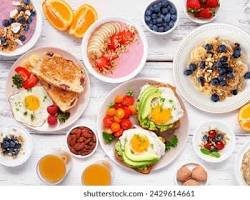
- Adding vegetables to breakfast
- Drinking more water
- Eating fruit instead of sugary snacks
Small successes build lasting routines.
2. Plan and Prepare Your Meals
Meal planning makes healthy eating easier.
Consider:
- Planning meals weekly
- Preparing ingredients ahead of time
- Cooking larger batches
- Keeping healthy foods readily available
Even washing and chopping vegetables in advance can save valuable time during busy weekdays.
3. Eat Seasonal Produce
Seasonal fruits and vegetables are often:
- More flavorful
- Fresher
- More affordable
- Nutrient-rich
Frozen fruits and vegetables are also excellent choices because they’re typically harvested at peak ripeness and quickly frozen to preserve nutrients.
4. Make Healthier Swaps
Healthy eating doesn’t require giving up your favorite meals.
Simple swaps include:
Your Year-Round Guide to Better Health
- Brown rice instead of white rice
- Whole grain pasta instead of regular pasta
- Greek yogurt instead of sour cream
- Air-popped popcorn instead of chips
These small changes add nutrients without making meals feel restrictive.
5. Keep Smart Snacks Nearby
Nutritious snacks help maintain energy between meals.
Healthy snack ideas include:
- Mixed nuts
- Fresh fruit
- Greek yogurt
- Hummus with vegetables
- Cottage cheese
- Hard-boiled eggs
- Whole grain crackers
Preparing snacks ahead of time helps reduce unhealthy cravings.
Build Healthy Habits That Last
Healthy eating isn’t about perfection—it’s about consistency.
Focus on making gradual improvements instead of following restrictive diets that are difficult to maintain. Every nutritious meal is a step toward better health.
Your Year-Round Guide to Better Health
As your habits become part of your daily routine, they’ll require less effort and provide long-term benefits for your body and mind.
Remember, the goal isn’t to eat perfectly every day. It’s to make balanced, nutrient-rich choices more often than not.
Final Thoughts
A nutritious diet is one of the best investments you can make in your long-term health. By including vegetables, fruits, whole grains, lean proteins, healthy fats, legumes, and dairy or fortified alternatives in your daily meals, you can support your body’s needs while enjoying a wide variety of delicious foods.
Your Year-Round Guide to Better Health
Start with one small change today. Over time, those small improvements can lead to a healthier lifestyle, greater energy, and lasting well-being.
Frequently Asked Questions (FAQs)
What are the healthiest foods to eat every day?
The healthiest daily foods include leafy green vegetables, fruits, whole grains, legumes, lean proteins, dairy or fortified alternatives, nuts, seeds, and healthy fats like olive oil and avocado.
How can I start eating healthier?
Your Year-Round Guide to Better Health
Begin with simple changes such as adding one serving of vegetables to each meal, drinking more water, choosing whole grains, and preparing healthy meals in advance.
Is it okay to snack every day?
Yes. Healthy snacks like fruit, yogurt, nuts, vegetables with hummus, or whole-grain crackers can help maintain energy and reduce overeating at mealtime.
Why is food variety important?
Different foods provide different nutrients. Eating a wide variety of nutritious foods helps ensure your body gets the vitamins, minerals, protein, healthy fats, and fiber it needs for optimal health.