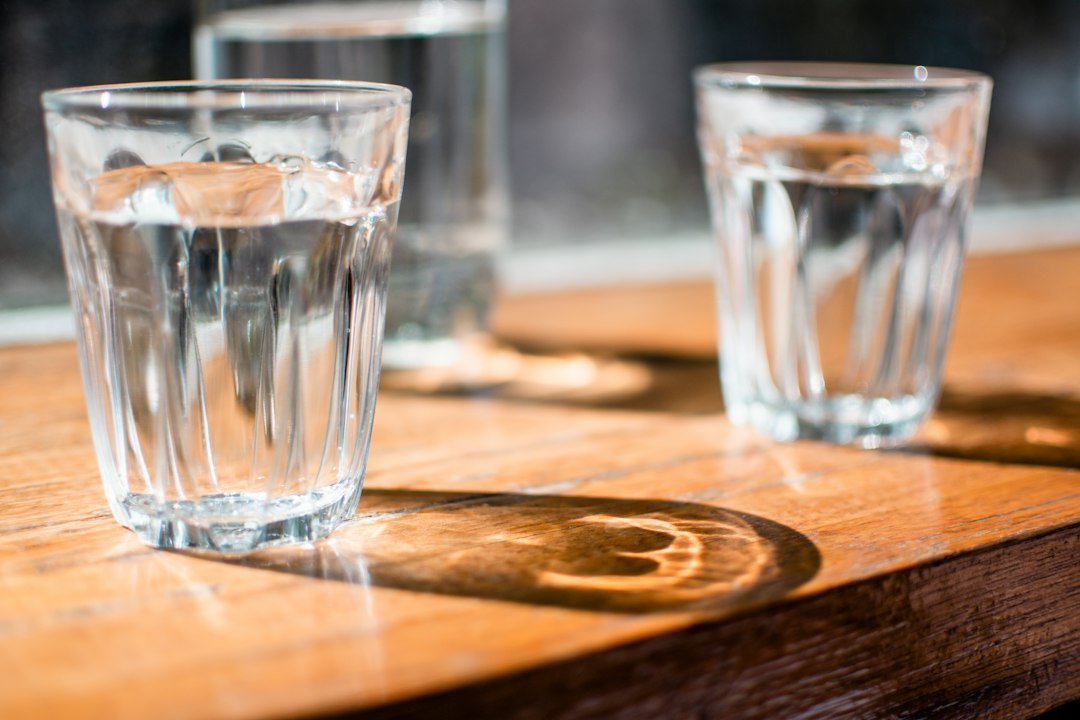
“Drink eight glasses of water a day” may be the most repeated health tip there is. But is it right for you? The honest answer from health agencies is “it depends”, and that is exactly why so many people in the US, UK, Canada and Australia keep searching for it. This guide explains what major health organizations actually say about daily fluid needs, how to tell whether you are drinking enough, and simple ways to hydrate without turning it into a chore.
Why your body needs water
Water is involved in almost everything your body does. According to the US Centers for Disease Control and Prevention (CDC), it helps maintain normal body temperature, lubricates and cushions joints, protects the spinal cord and other sensitive tissues, and helps remove waste. Getting enough water each day helps prevent dehydration, which the CDC says can cause unclear thinking, mood changes, overheating, constipation and kidney stones.
Even mild dehydration can be noticeable. Mayo Clinic notes that it may leave you with lower energy, harder clear thinking and a headache, and that you may not perform your best during exercise. In extreme cases it can cause confusion and dizziness.
How much water do you really need?
Different sources give different numbers, and each is correct for its own definition. The key detail is whether the number refers to plain water or to all fluids.
- Mayo Clinic: some studies suggest the average healthy adult gets enough with about 11.5 cups (2.7 liters) to 15.5 cups (3.7 liters) of total fluid a day. That includes drinks and the water in food.
- NHS (UK): the government recommends 6 to 8 cups or glasses of fluid a day, but describes this as only a guide.
- CDC (US): gives no single figure. It says needs vary by age, sex, pregnancy status, activity level and breastfeeding status.
These numbers do not contradict each other. The larger Mayo Clinic range counts everything you take in, and Mayo says food provides about 20% of your total water. The NHS figure counts what you drink. Mayo also calls eight glasses a day an easy-to-remember, good goal, while pointing out that some people need less and others more.
In short, treat eight glasses as a starting point, not a rule. Your body gives better feedback than any formula.
When you may need more
Both the CDC and Mayo Clinic list situations that raise your fluid needs:
- Exercise that makes you sweat. Mayo suggests drinking before, during and after a workout.
- Hot or humid weather, and high altitude.
- Fever, vomiting or diarrhea. Mayo says oral rehydration solutions may help.
- Pregnancy and breastfeeding.
- Bladder or urinary infections, and kidney or urinary tract stones.
Body type, age, general health and where you live also play a part, which is one more reason a single number cannot fit everyone. If you spend long days outdoors in summer, our guide to how much sunlight you need is a useful companion read.
Easy ways to tell if you are drinking enough
You do not need an app. Mayo Clinic says you are probably drinking enough if you rarely feel thirsty and your urine is colorless or light yellow. The NHS gives similar advice: most people should drink enough during the day that their urine is a clear, pale yellow.
Common warning signs of too little fluid include dark urine, headaches, low energy and trouble concentrating. Note that some vitamin supplements and medicines can change urine color, so use color as a guide rather than a diagnosis.
Which drinks count?
More than just plain water. The NHS says water, lower-fat milk and lower-sugar drinks, including tea and coffee, all count toward your total. The CDC adds that plain coffee and tea, sparkling water and unsweetened fortified milk alternatives are fine choices. Here is how common drinks compare:
- Tea and coffee: they count. The CDC says up to 400 mg of caffeine a day can fit in a healthy diet for most adults, which is about two to three cups of plain coffee. The NHS advises that pregnant women keep caffeine under 200 mg a day.
- Fruit juice and smoothies: the NHS recommends no more than one small glass (150 ml) a day, ideally with a meal, because they are high in sugar.
- Sugary drinks: sodas, sweetened coffee and tea, and sports drinks add calories with little nutrition. Swapping them for water is one of the simplest ways to cut calories, according to the CDC.
- Diet drinks: they may reduce calorie intake in the short term, but the CDC says their long-term effect on weight is uncertain.
- Energy drinks: they contain added sugar and large amounts of caffeine, and the CDC flags particular concern for young people.
Food is part of your hydration
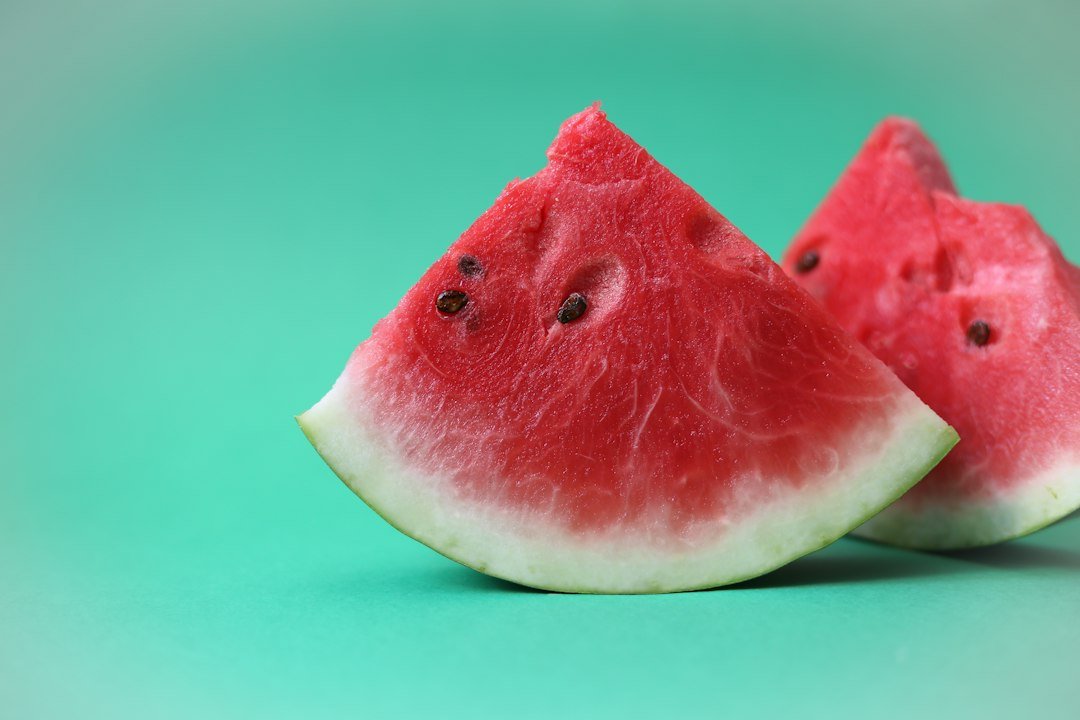
About a fifth of your water comes from what you eat. Mayo Clinic points out that fruits and vegetables such as cantaloupe, watermelon, strawberries, cabbage and squash are nearly 100% water by weight. Adding them to meals is an easy way to top up your fluids, and it fits well with the advice in our guide to building a balanced diet.
Can you drink too much water?
Yes, though it is uncommon in healthy adults. Mayo Clinic explains that when the kidneys cannot get rid of excess water, sodium levels in the blood drop too low, a condition called hyponatremia that can be life-threatening. It is mainly a concern for some athletes who drink large amounts before or during long, intense workouts.
The practical lesson is to drink to your needs, not to a target. Sip steadily through the day instead of forcing large amounts at once. If a doctor has told you to limit fluids because of a heart, kidney or other condition, follow that advice instead of the general numbers in this article.
7 simple ways to drink more water
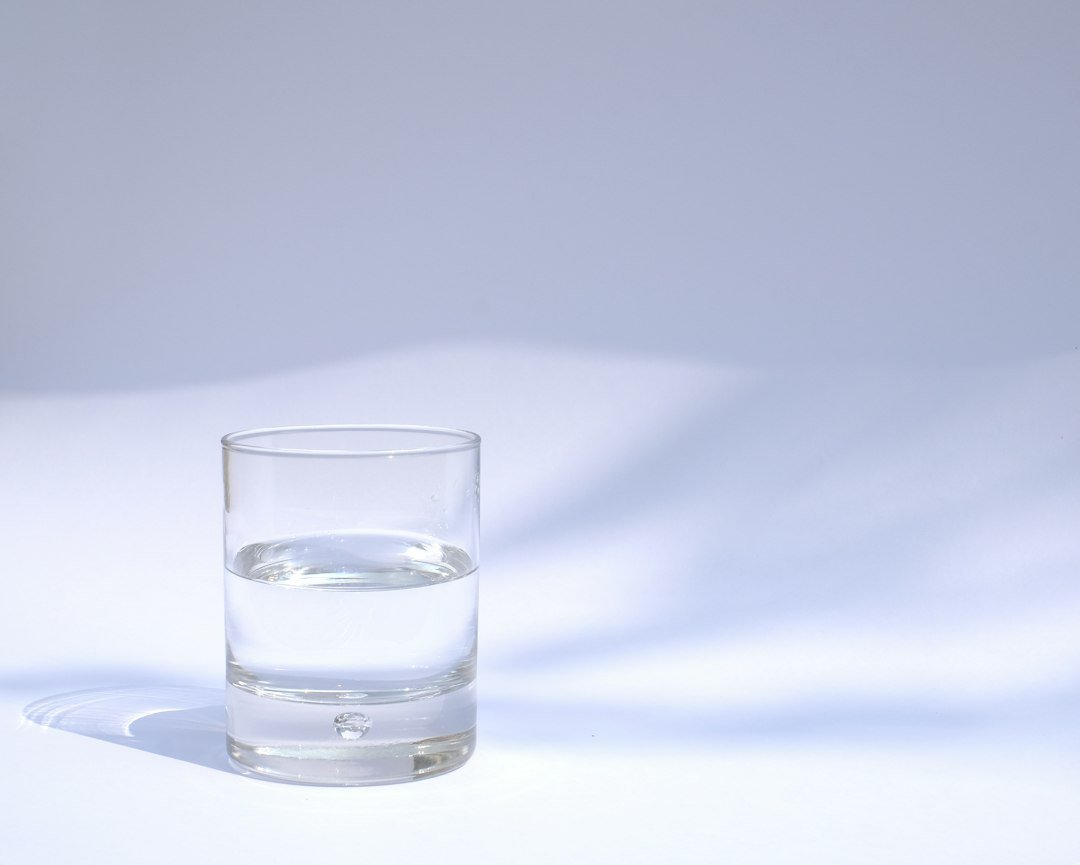
- Carry a reusable water bottle, as the CDC suggests, and keep it where you can see it.
- Drink a glass of water with each meal, and when you eat out, order water instead of a sugary drink.
- Add a wedge of lemon or lime if plain water feels boring.
- Freeze water in a freezer-safe bottle so it stays ice-cold through the day.
- Link drinking to habits you already have: after you wake up, before each coffee, and when you sit down to work.
- Eat water-rich fruits and vegetables with lunch and dinner.
- Keep water at your desk. If you sit for long hours, pair it with the movement tips in our post on staying healthy when sitting at the office.
The bottom line
There is no magic number. Most healthy adults do well with roughly 6 to 8 glasses of fluid from drinks, plus the water in their food, and more when it is hot, when they exercise, or when they are ill. Watch your thirst and the color of your urine, choose water or other low-sugar drinks most of the time, and adjust to your own day.
Seek medical advice if you feel constantly thirsty, pass very little urine, feel dizzy or confused, or have symptoms that do not improve. Those can signal a problem that more water will not fix.
This article is for general information and is not medical advice. Please read our Medical Disclaimer and talk to a qualified professional about your own health.