Finding more hair on your pillow, in the shower drain or on your brush can be alarming. Hair loss is one of the most searched health and appearance concerns in the US, UK, Canada and Australia, and it affects both men and women. The good news is that many types are temporary, and several treatments can help. This guide explains what is normal, the main types and causes of hair loss, what you can do about it, and when it is time to see a doctor.
How much hair loss is normal?
Losing some hair every day is part of the normal growth cycle. Mayo Clinic says people normally shed about 50 to 100 hairs a day, and the NHS gives a similar figure. MedlinePlus puts the range at roughly 50 to 200 hairs a day from a scalp with around 100,000 hairs. Hair loss becomes noticeable when new growth does not keep up with the hair that sheds. The NHS adds that hair loss is usually not serious, but it can occasionally point to a medical condition.
Types of hair loss
Hair loss can look very different from one person to another. Mayo Clinic describes these patterns:
- Gradual thinning on top of the head. This is the most common type and usually relates to ageing. Men often notice a receding hairline, while women often notice a widening part.
- Patchy bald spots. Circular or irregular bare areas can appear on the scalp, beard or eyebrows, sometimes after itching or soreness. This is typical of alopecia areata, an immune-related condition.
- Sudden loosening of hair. A physical or emotional shock can make hair come out in clumps when you comb, wash or lightly tug it. This usually causes overall thinning and is temporary.
- Full-body hair loss. Some illnesses and treatments, such as cancer chemotherapy, cause hair loss across the body. It usually grows back.
- Scaly patches on the scalp. These can signal ringworm, sometimes with broken hair, redness, swelling or oozing.
What causes hair loss?
There is rarely a single reason. The most common causes listed by Mayo Clinic, MedlinePlus and the NHS are:
- Heredity. Mayo Clinic calls this the most frequent cause. Pattern baldness runs in families and, according to the NHS, is permanent. MedlinePlus says about 80% of men show signs by old age.
- Hormonal changes and medical conditions. Pregnancy, childbirth, menopause and thyroid problems can all contribute. Other causes include alopecia areata, anaemia, lupus, scalp infections such as ringworm, and compulsive hair pulling (trichotillomania).
- Stress-related shedding. MedlinePlus explains that physical or emotional stress can make a large share of scalp hair shed weeks to months later. Triggers include high fever, infection, childbirth, major surgery or illness, severe emotional stress and crash diets low in protein. It usually resolves.
- Medicines and supplements. Certain drugs for cancer, arthritis, depression, heart problems, gout and high blood pressure can cause hair loss. MedlinePlus also names some birth control pills and retinoids.
- Radiation to the head. Hair may regrow differently than before.
- Hairstyles and treatments. Tight styles, hot-oil treatments and permanents can cause loss. If scarring occurs, the loss may be permanent. MedlinePlus also lists excessive shampooing or blow-drying.
- Weight loss and iron deficiency. The NHS lists both among temporary causes, along with illness, stress and cancer treatment.
Mayo Clinic adds several risk factors: a family history of balding on either side, older age, significant weight loss, conditions such as diabetes and lupus, stress and poor nutrition. If you are tired as well as shedding hair, our guide on why you may always feel tired covers possible overlapping causes. A balanced diet also matters; see our balanced diet guide and our article on why protein is important.

Can you prevent hair loss?
Mayo Clinic is clear that genetic hair loss cannot be prevented. Other types may be reduced by caring for your hair and scalp gently:
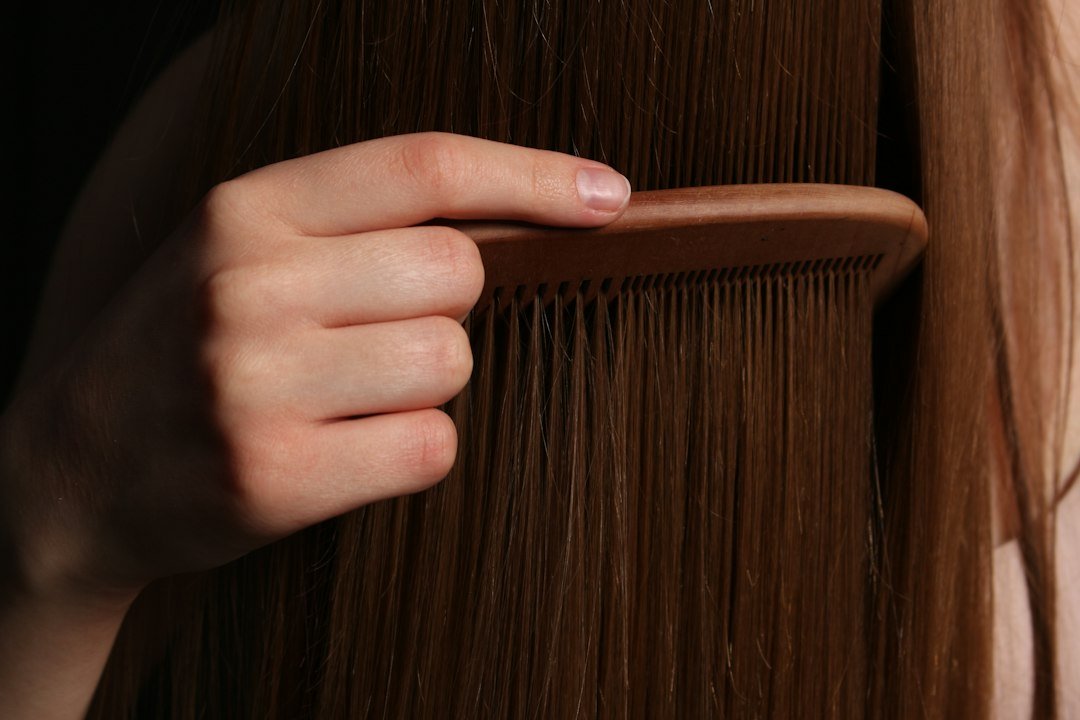
- Handle hair gently. Use a detangler and a wide-toothed comb, and avoid tugging, especially when your hair is wet.
- Limit heat and tension. Avoid hot tools, harsh chemical treatments, and tight rubber bands, barrettes or braids.
- Check your medicines. Ask your doctor or pharmacist whether any medicine or supplement you take may contribute. Do not stop a prescribed medicine on your own.
- Protect hair from ultraviolet light.
- Stop smoking. Some studies link smoking with male baldness.
- Ask about a cooling cap if you are having chemotherapy.
Because stress can trigger shedding, calming habits may help too. Try our box breathing routine or read about the role of sleep in overall health.
Treatment options
Many cases need no treatment. The NHS says most hair loss is temporary or a normal part of ageing, and hair loss caused by a medical condition often stops or regrows after recovery. MedlinePlus says hair loss after menopause or childbirth often improves within six months to two years. When treatment is wanted, the options include:
- Minoxidil, a solution applied to the scalp. The NHS says it can treat both male and female pattern baldness.
- Finasteride (and dutasteride, mentioned by MedlinePlus) for men. The NHS stresses that women should not use finasteride.
- Treating the underlying cause, such as antifungal treatment for ringworm or vitamin supplements if a deficiency is found.
- Other options, including steroid injections or creams, light treatment, micropigmentation and hair transplants. Some are not available on the NHS.
The NHS cautions that no treatment is fully effective, and that results last only while treatment continues. It advises getting a clear diagnosis from a GP before turning to a commercial hair clinic. Wigs, hairpieces and style changes are the least expensive and safest ways to disguise hair loss, according to MedlinePlus, which warns that hairpieces should never be sewn to the scalp because of the risk of scarring and infection.
Coping with the emotional side
Hair loss can hurt confidence and mood. The NHS notes it can be distressing and that a GP may arrange counselling. Support groups and online forums can help you connect with others in the same situation, and Alopecia UK keeps a directory of local groups. If low mood is lingering, see our article on ways to improve your mood.

When to see a doctor
Mayo Clinic suggests seeing a doctor if hair loss is persistent and distressing, if you notice a receding hairline (especially as a woman), or if hair loss is sudden, patchy or heavier than usual, because it can signal an underlying condition. MedlinePlus lists more reasons to contact a provider:
- Hair loss in an unusual pattern, or rapid loss, or loss at a young age such as in your teens or twenties.
- Pain or itching with the hair loss.
- Red, scaly or otherwise abnormal scalp skin, or signs of infection.
- Acne, facial hair growth or an abnormal menstrual cycle.
- Bald spots in the beard or eyebrows.
- Weight gain, muscle weakness, cold intolerance or fatigue.
The bottom line
Shedding 50 to 100 hairs a day is normal, and many types of hair loss are temporary. Be gentle with your hair, eat a balanced diet, manage stress and review your medicines with a professional. Do not ignore sudden, patchy or rapid hair loss, or hair loss that comes with other symptoms. A doctor can find the cause and help you choose safe, realistic treatment.
This article is for general information and is not medical advice. Please read our Medical Disclaimer and talk to a qualified professional about your own symptoms and treatment.