
Few food topics have dominated health headlines like ultra-processed foods. Searches such as “what are ultra-processed foods” and “are ultra-processed foods bad for you” have surged across the US, UK, Canada and Australia, and many shoppers now turn packages over to read the label before buying. But the story is more nuanced than “processed equals bad”. This guide explains what the term really means, what the best available research shows, where the evidence is still limited, and practical ways to eat better without overhauling your whole kitchen.
What are ultra-processed foods?
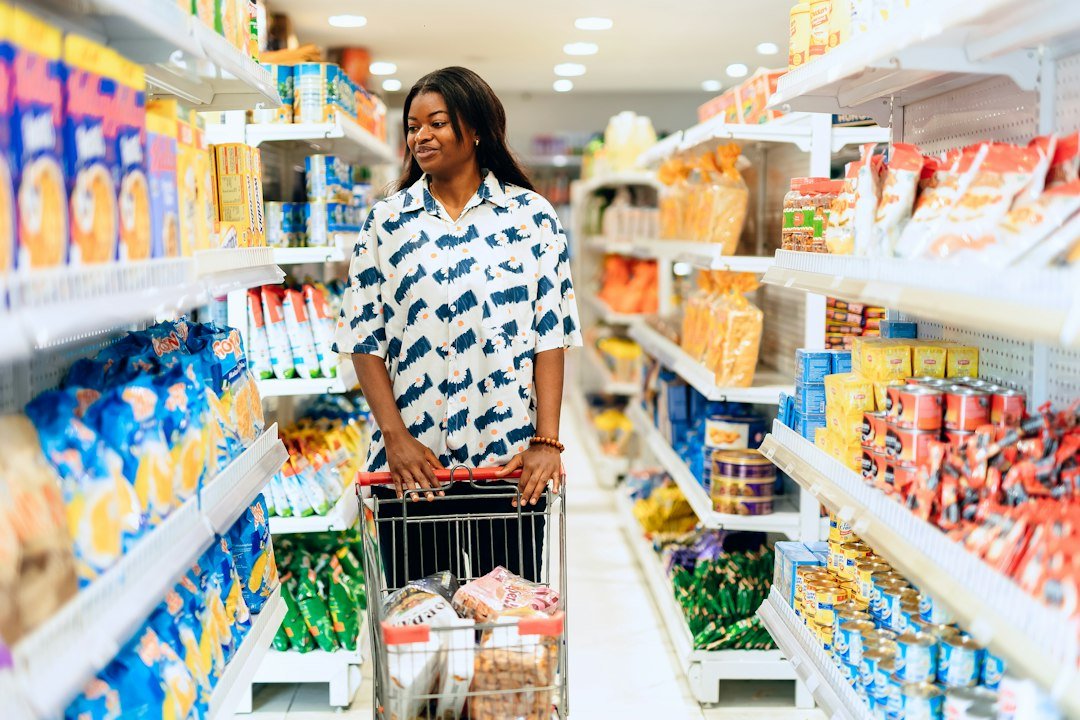
Most research uses a system called NOVA, which sorts foods into four groups. Healthdirect Australia describes them as unprocessed or minimally processed foods, processed culinary ingredients, processed foods, and ultra-processed foods. The last group covers factory-made, ready-to-eat products made with industrial techniques, chemically modified food substances and additives, often with little or no whole food in them.
Healthdirect lists these as common examples:
- Chips, packaged sweet and savory snacks, biscuits, candy and chocolate
- Carbonated drinks, fruit drinks and meal replacement shakes
- Instant noodles, instant soup and ready-made meals
- Mass-produced packaged bread, sausages, hot dogs and chicken or fish nuggets
- Ice cream, fruit yogurt, pastries and cake mixes
Notice what the list does not say: that everything in a box or can is ultra-processed. The NOVA system has separate groups for minimally processed foods and for simply processed ones, which is why “processed” and “ultra-processed” are not the same thing.
What the research says
Two kinds of evidence matter here: large studies that follow people over time, and a smaller number of controlled experiments.
Large reviews show links to poor health. Harvard Health reports that a large 2024 review of evidence found diets rich in ultra-processed foods were tied to higher risks of premature death, cardiovascular disease, mental health disorders, diabetes, obesity and sleep problems. Healthdirect adds that, in a Harvard-linked study, processed meat showed the strongest link with poor health and early death, with sugar-sweetened and artificially sweetened drinks also standing out.
Important caveat: these are associations. People who eat many ultra-processed foods often differ in other ways too, such as income, activity and overall diet quality, so these studies cannot prove that the foods alone caused the harm.
A controlled trial shows an effect on eating. The best-known experiment came from the US National Institutes of Health (NIH). In 2019, researchers admitted 20 healthy adults to the NIH Clinical Center for a month. Each person ate an ultra-processed diet for two weeks and a minimally processed diet for two weeks, in random order, and could eat as much or as little as they liked. The two diets were designed to match for calories, sugars, fiber, fat and carbohydrates.
The results were striking:
- On the ultra-processed diet, people ate about 500 more calories per day.
- They ate faster.
- They gained an average of about 0.9 kg (2 lb), while losing a similar amount on the minimally processed diet.
Even so, the NIH is open about the limits. The sample was small, slight differences in protein between the diets could explain up to half of the calorie difference, and the study could not say which feature of ultra-processed foods changed eating behavior.
What we still do not know
It would be easy to turn this research into a simple rule, but scientists are still working out the details. Some open questions are worth keeping in mind:
- Is the harm from the processing itself, or from what these foods tend to contain, such as added sugar, salt and refined starch?
- Do all ultra-processed foods carry the same risk? The Harvard-linked findings suggest not: processed meat and sweetened drinks stood out.
- Do the effects in a two-week trial hold up over years?
Until those answers arrive, the sensible approach is to treat ultra-processed foods as something to limit, not as something to fear.
Why they are so easy to overeat
The NIH trial offers one clue: people ate faster on the ultra-processed diet. Foods that are soft, sweet or salty and ready to eat can be consumed quickly, before your body registers fullness. Convenience plays a part too. The NIH researchers point out that less-processed foods take more time and money to prepare, and that simply telling people to eat healthier may not work without better access to affordable healthy food. That is a fair point, and it is why the tips below focus on small, realistic steps instead of perfection.
Easy ways to eat fewer ultra-processed foods
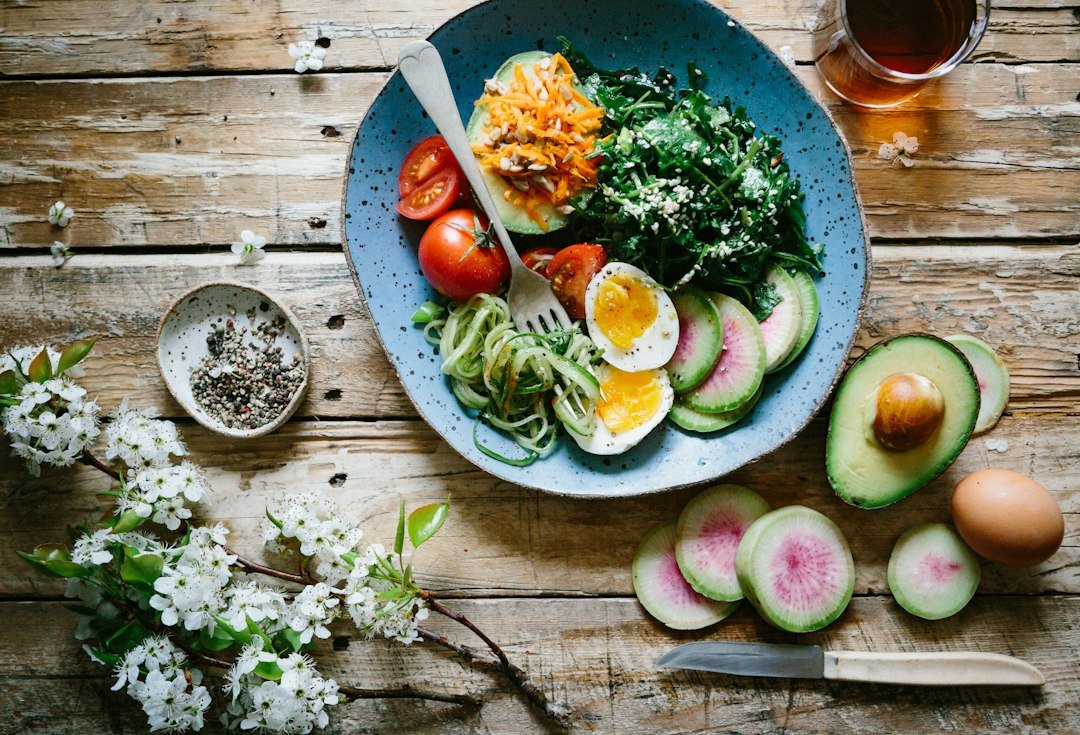
You do not need to cut everything out. Try changing one meal at a time:
- Start with drinks. Sugar-sweetened and artificially sweetened drinks are among the items flagged in the research. Swap some for water, as we explain in our guide to how much water you need.
- Rethink breakfast. The NIH study’s unprocessed breakfast was oatmeal with bananas and walnuts, versus a bagel with cream cheese and turkey bacon. Our list of quick breakfast options has more ideas.
- Cut back on processed meat. Sausages, hot dogs and nuggets appear on the ultra-processed list, and processed meat showed the strongest link to poor health in the Harvard-linked research.
- Read the ingredients. A short list of foods you recognize is usually a better sign than a long list of additives and unfamiliar substances. This is a rule of thumb, not a guarantee.
- Cook simple meals in batches. Soups, roasted vegetables, grains and beans keep well and replace instant meals. Fiber-rich choices from our high-fiber foods list are a good place to start.
- Keep whole snacks visible. Fruit, nuts and plain yogurt are easier to reach for when they are on the counter or at eye level in the fridge.
- Slow down. Since faster eating appeared in the NIH trial, putting down your fork between bites and eating without screens may help you notice fullness.
For the bigger picture, our guide to what a balanced diet looks like shows how these changes fit into everyday meals. Eating more plants can also benefit your gut health.
Is it okay to eat them sometimes?
For most healthy people, yes. Healthdirect notes that most ultra-processed foods lack the nutrients your body needs, which is why it recommends swapping them for healthier options, but nothing in the research above suggests that an occasional treat on its own harms you. The focus is on your overall pattern: if most of your meals come from whole and minimally processed foods, a pizza night or a packet of biscuits is not the problem.
Be extra careful if you have a medical condition, food allergy or special dietary needs. Some packaged foods, such as fortified products or meal replacements, may be recommended by a doctor or dietitian in certain situations, so ask before dropping them.
The bottom line
Ultra-processed foods are factory-made products built for convenience, and the research linking them to poorer health is consistent, though not yet proof of cause. A tightly controlled NIH trial showed that people ate roughly 500 more calories a day and gained weight on an ultra-processed diet. You can act on this without perfection: choose water over sweet drinks, eat less processed meat, cook simple meals a few times a week, and keep whole foods within easy reach.
This article is for general information and is not medical advice. Please read our Medical Disclaimer and talk to a qualified professional about your own diet and health.