
Discover what you should have for breakfast with 10 quick, easy, and healthy breakfast options, including eggs, oats, fruits, nuts, milk, dates, and more.
What Should You Have for Breakfast? 10 Quick and Easy Breakfast Options
Hectic mornings, getting ready for school or work, and worrying about traffic jams—this is the daily routine for many of us. In the middle of all this rush, breakfast often disappears from our routine altogether. Some people leave home on an empty stomach, while others quickly eat whatever is available—biscuits, tea, or leftover food. However, a nutritious breakfast is extremely important for keeping the body and brain active and helping maintain energy, productivity, and concentration throughout the day.
What Should You Have for Breakfast? 10 Quick and Easy Breakfast Options
There is no need to say much about the unhealthy food available at many hotels and restaurants. Very often, foods prepared with excessive oil and spices can cause digestive discomfort, acidity, or bloating, potentially ruining the entire day. Yet we all know one simple principle: “To start the day well, you need to have a good breakfast.”
Keeping this reality in mind, today we will discuss what a healthy breakfast should look like—especially options that are affordable, easily available, quick to prepare, or ready-made. These foods can save time while also helping you maintain a healthy lifestyle. In this article, you will learn about some quick and healthy breakfast options that can reduce the risk of digestive problems and help you build a healthy and sustainable morning routine.
What Should You Have for Breakfast? 10 Quick and Easy Breakfast Options
What Should You Eat for Breakfast?
In a busy lifestyle, it is important to choose foods that are affordable, easy to prepare, nutritious, and convenient. Below is a list of foods that are easy to store, readily available, quick to prepare, and rich in nutrients. Simple storage and preparation methods are also mentioned so that you can stay healthy and active even during busy mornings.
- Dates

Dates are a natural energy booster. They contain natural sugars and dietary fiber, which provide energy and support digestion. They can be stored for a long time in an airtight container. Eating a few dates in the morning can help satisfy hunger while providing a quick source of energy.
Dates contain vitamin B, potassium, iron, magnesium, and antioxidants. These nutrients support overall health and may help protect the body from oxidative stress. Potassium also plays an important role in maintaining normal blood pressure and supporting heart health.
What Should You Have for Breakfast? 10 Quick and Easy Breakfast Options
Dates can be eaten with nuts and are commonly used together in many recipes. Since they are easy to store and require no preparation, dates can be a convenient and nutritious breakfast option for busy mornings.
Dates are generally safe to eat, although some people may have sensitivities or allergic reactions to sulfites used in certain processed dried fruits. People with food allergies or asthma should check product labels when necessary.
- Honey

Honey can be a convenient ingredient for breakfast because it requires no preparation and can add sweetness and energy to a meal. It can be stored for months when kept in a cool, dry place.
Honey contains antioxidants and has antimicrobial and anti-inflammatory properties. However, it is still a source of added sugar and should therefore be consumed in moderation.
Honey can easily be mixed with oatmeal, yogurt, or Greek yogurt. It can also be spread on toast, added to smoothies or chia pudding, or mixed with warm water and lemon juice.
What Should You Have for Breakfast? 10 Quick and Easy Breakfast Options
Honey is generally safe for most adults. However, people with certain pollen or bee-related allergies may experience reactions. Honey should never be given to children under one year of age because of the risk of infant botulism.
- Milk

Milk is a nutritious food rich in protein, calcium, vitamin B12, phosphorus, potassium, and, when fortified, vitamin D. These nutrients support strong bones, muscle function, and overall health.
However, drinking milk on an empty stomach may cause digestive discomfort, gas, bloating, or diarrhea in some people, particularly those with lactose intolerance. To make breakfast more balanced, milk can be combined with oats, cereal, chia seeds, or a small amount of honey.
Once opened, milk should be refrigerated promptly and kept properly sealed. Storage life depends on the type of milk and the instructions on the package, so it is best to follow the manufacturer’s storage recommendations.
What Should You Have for Breakfast? 10 Quick and Easy Breakfast Options
For people with lactose intolerance, lactose-free milk or suitable plant-based alternatives may be better choices.
- Eggs
Eggs are an affordable, widely available, and nutrient-rich source of high-quality protein, making them an excellent breakfast choice. They can be boiled, scrambled, or fried and prepared relatively quickly, which makes them particularly convenient on busy mornings.
A large boiled egg contains roughly 70–80 calories and about 6 grams of high-quality protein. Protein can help keep you full for longer and may help control excessive hunger.
Hard-boiled eggs can be stored in their shells in a refrigerator at 4°C (40°F) or below for up to one week. Once peeled, however, they should be eaten promptly and stored properly because exposure to the environment can increase the risk of bacterial contamination.
What Should You Have for Breakfast? 10 Quick and Easy Breakfast Options
For a more balanced breakfast, boiled eggs can be eaten with oats, whole-grain bread, or vegetables. Eggs can also be prepared as scrambled eggs, an omelet, or other dishes to add variety to your breakfast.
When properly prepared and stored, eggs are a healthy, convenient, and nutritious breakfast option.
Egg allergy is relatively common among children. It can cause skin reactions, breathing difficulties, or, in severe cases, a life-threatening allergic reaction known as anaphylaxis.
- Ghee and Butter
Ghee and butter can add flavor and energy to breakfast. They contain fat-soluble vitamins and dietary fat, although their nutritional composition differs.
Ghee is traditionally stored in an airtight container in a cool, dark place. Depending on its quality and storage conditions, it can remain usable for an extended period. Refrigeration can further extend its shelf life, although it may become firm when chilled.
Butter should generally be refrigerated and kept well covered. Its exact shelf life depends on storage conditions and the product’s packaging.
What Should You Have for Breakfast? 10 Quick and Easy Breakfast Options
Ghee or butter can be used with paratha, bread, oats, or toast. However, because both are relatively high in saturated fat and calories, they are best consumed in moderation.
Ghee and butter are dairy-derived products. People with a milk-protein allergy should avoid them unless advised otherwise by a healthcare professional. People with lactose intolerance may tolerate some forms of ghee better than regular butter, but individual tolerance varies.
- Cheese
Cheese is a nutritious food that can be added to breakfast to provide protein, calcium, vitamin B12, phosphorus, and other nutrients. These nutrients support bone health, muscle function, and overall health.
Cheese can be easily added to bread, paratha, oats, sandwiches, or vegetables, making it a convenient option for busy mornings. Some cheeses also contain beneficial microorganisms, although the probiotic content varies considerably between different types of cheese.
However, some cheeses can be relatively high in saturated fat and sodium, so portion size is important. Choosing lower-sodium or lower-fat varieties can be useful for people who need to limit their intake of these nutrients.
What Should You Have for Breakfast? 10 Quick and Easy Breakfast Options
People with a dairy or milk-protein allergy should avoid cheese. Individuals with lactose intolerance may tolerate certain aged cheeses better than fresh dairy products, but tolerance varies from person to person.
Overall, cheese can be a tasty and nutritious addition to a balanced breakfast when eaten in moderation.
- Oats and Cereals
Oats and cereals are nutritious and quick-to-prepare breakfast options that are particularly suitable for busy lifestyles. Oats are rich in dietary fiber and contain protein, magnesium, phosphorus, iron, and various antioxidants.
The soluble fiber in oats, particularly beta-glucan, can help slow digestion and may contribute to better blood sugar and cholesterol management. Oats can also help increase feelings of fullness, which may support healthy weight management.
There are several types of oats, including steel-cut oats, rolled oats, quick-cooking oats, and instant oats. Cereals are made from different types of grains and vary widely in their nutritional content.
What Should You Have for Breakfast? 10 Quick and Easy Breakfast Options
For storage, oats and dry cereals should be kept in airtight containers in a cool, dry place. Oats can be prepared quickly with hot water or milk, making them particularly convenient for busy mornings.
For a healthier breakfast, choose oats or cereals with less added sugar and combine them with fruit, nuts, seeds, or yogurt.
Oats are generally safe, but some oats can become contaminated with gluten during processing. People with celiac disease or gluten sensitivity should choose products specifically labeled “gluten-free.”
- Frozen and Ready-Made Foods
Frozen paratha can be a convenient breakfast option, especially for people with busy schedules. It can be prepared quickly, saving valuable time in the morning. Depending on the product, a frozen paratha can usually be heated directly on a pan or tawa within a few minutes.
However, not all frozen parathas are equally healthy. Some commercially prepared varieties may contain significant amounts of oil, saturated fat, or sodium. Therefore, it is important to check the nutrition label before purchasing them.
Frozen paratha can be served with eggs, cheese, vegetables, or lean meat to create a more balanced meal. For example, an egg-and-cheese roll made with paratha can provide carbohydrates, protein, and fat in one meal.
Frozen paratha can also be used to prepare rolls, wraps, or other quick breakfast dishes.
Overall, frozen and ready-made foods can save time, but healthier choices should be selected carefully by checking ingredients, portion sizes, and nutrition labels.
What Should You Have for Breakfast? 10 Quick and Easy Breakfast Options
Some ready-made foods may contain ingredients that can trigger allergies, such as wheat, milk, eggs, or soy. People with food allergies should carefully check the ingredient list.
- Fruits and Vegetables
Eating fruits and vegetables in the morning is an easy, quick, and nutritious habit. They are naturally rich in vitamins, minerals, dietary fiber, and antioxidants, which support overall health.
Examples include cucumber, carrots, tomatoes, papaya, apples, oranges, bananas, and guava.
These fruits and vegetables can easily be eaten as a salad or blended into a smoothie. Adding yogurt, oats, seeds, or nuts can turn them into a more balanced breakfast that provides carbohydrates, protein, fiber, and healthy fats.
You can also prepare some ingredients the night before and refrigerate them, allowing you to make a healthy breakfast within just a few minutes in the morning.
What Should You Have for Breakfast? 10 Quick and Easy Breakfast Options
Therefore, developing the habit of eating fruits and vegetables in the morning can contribute to a healthy diet and help support energy and productivity throughout the day.
The popular saying “An apple a day keeps the doctor away” highlights the value of eating fruit, although no single food can prevent illness on its own.
Some people may experience allergic reactions to specific fruits or vegetables, such as apples, guava, or carrots. People with oral allergy syndrome (OAS) may be particularly sensitive to certain raw fruits and vegetables.
- Nuts
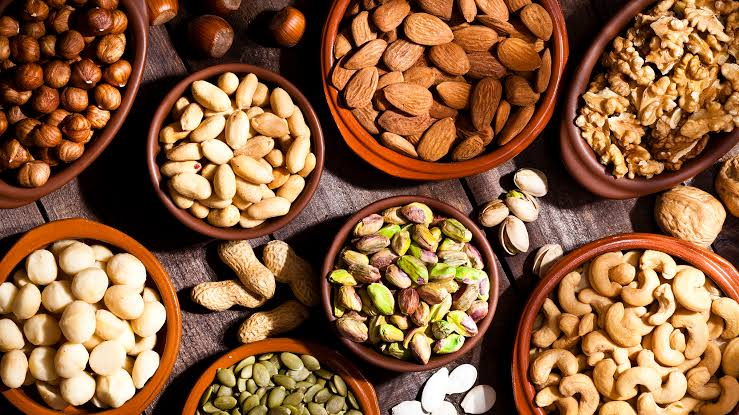
Nuts—especially almonds, walnuts, cashews, and peanuts—are excellent time-saving and nutritious breakfast options. They provide protein, healthy fats, dietary fiber, vitamin E, magnesium, and antioxidants.
Regular consumption of nuts as part of a balanced diet may support heart health, help maintain healthy cholesterol levels, and contribute to better blood sugar control.
A small handful of nuts can be eaten in the morning and easily combined with oats, yogurt, fruit, or cereal. This makes them a convenient breakfast ingredient that requires little or no preparation.
Some people prefer soaking almonds or other nuts before eating them, although soaking is not necessary for most people and does not automatically make them more nutritious. Proper portion control is important because nuts are calorie-dense.
What Should You Have for Breakfast? 10 Quick and Easy Breakfast Options
Nut allergies are among the most common food allergies and can sometimes cause severe reactions. Symptoms may include skin reactions, swelling, breathing difficulties, and, in severe cases, anaphylaxis.
People with known allergies to almonds, walnuts, cashews, peanuts, or other nuts should avoid the relevant foods and carefully check food labels to prevent accidental exposure.
Conclusion
A healthy breakfast does not have to be complicated or expensive. Dates, honey, milk, eggs, moderate amounts of ghee or butter, cheese, oats, fruits, vegetables, and nuts can all be incorporated into a balanced morning meal.
What Should You Have for Breakfast? 10 Quick and Easy Breakfast Options
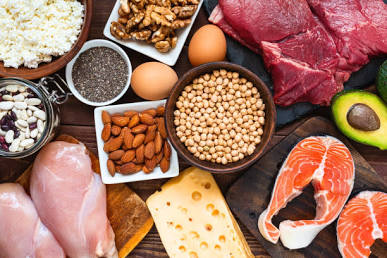
The key is to combine different food groups—for example, protein + whole grains + fruits or vegetables + healthy fats—rather than relying on a single food. With a little planning, even the busiest morning can begin with a nutritious breakfast that supports energy, concentration, and overall well-being.
What Should You Have for Breakfast? 10 Quick and Easy Breakfast Options