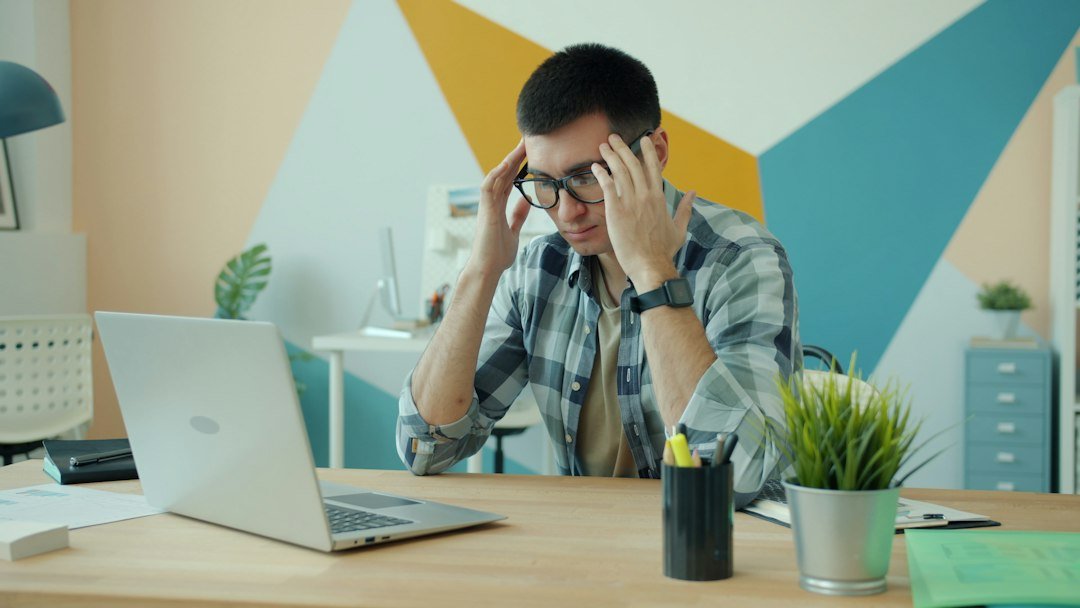
It is not the most glamorous health topic, but it is one of the most common. “How to relieve constipation fast” is searched by huge numbers of people in the US, UK, Canada and Australia every month. Almost everyone is constipated at some point, and in most cases the cause is simple and the fix is within reach: more fibre, more fluids, more movement and better toilet habits. This guide explains what counts as constipation, what causes it, what really helps, and the signs that mean you should see a doctor.
What counts as constipation?
There is no single “normal” for bowel habits, because people differ. The NHS says you are likely to be constipated if you have not had a poo at least three times in the past week, or you are going less often than usual. Other signs from the NHS and Mayo Clinic include:
- Stools that are dry, hard or lumpy.
- Straining or pain when passing stool.
- A feeling that you have not fully emptied your bowels, or that something is blocking the way.
- Stomach ache, bloating or feeling sick.
Mayo Clinic describes chronic constipation as having two or more of these symptoms for three months or longer.
Common causes
Most constipation comes down to everyday habits. The NHS and Mayo Clinic list these main causes:
- Too little fibre, found in fruit, vegetables and cereals.
- Not drinking enough fluid.
- Inactivity, including long periods sitting or lying down.
- Ignoring the urge to go, often because you are busy or away from home.
- Changes in routine or diet, such as travelling, as well as stress, anxiety or depression.
- Medicines. Opioid painkillers are a notable cause, and Mayo Clinic adds some drugs for high blood pressure, depression, seizures and allergies.
Constipation is also more common in pregnancy, after giving birth and over the age of 65. Medical conditions such as irritable bowel syndrome, diabetes, an overactive thyroid and problems with the pelvic floor muscles can play a part. Serious causes, such as bowel cancer, are rare, but they are the reason sudden or persistent changes should be checked. Sometimes no cause is found at all.
How to ease constipation at home
The NHS says improvement may show within a few days, though it can take a few weeks. These steps are considered safe during pregnancy too.
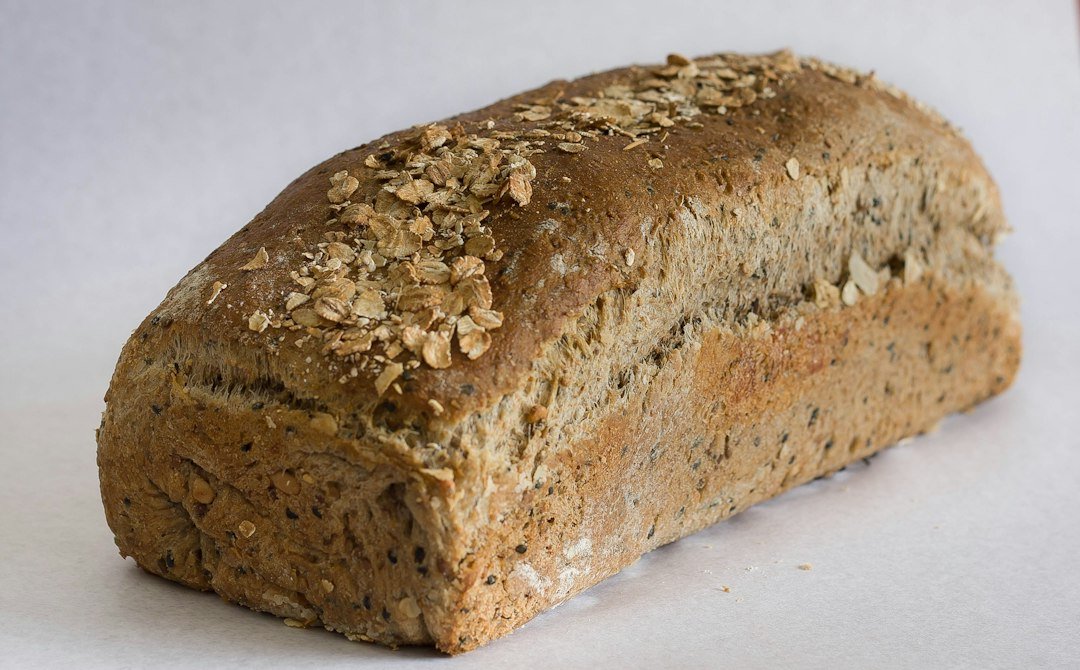
- Increase fibre gradually. Add wheat bran, oats or linseed, and eat plenty of fruit and vegetables. The NHS highlights apples, apricots, grapes, raisins, raspberries and strawberries. Increasing fibre slowly helps avoid extra gas and bloating. Our list of 22 high-fibre foods has plenty of ideas.
- Drink plenty of fluids and limit alcohol. See how much water you need each day.
- Go when you feel the urge. The NHS is clear: do not delay. Try to use the toilet at a regular time and give yourself plenty of time.
- Change your position. Resting your feet on a low stool so your knees are above your hips can make passing stool easier, according to the NHS.
- Move your body. A daily walk or run can help you go more regularly. Our post on the benefits of walking is a good place to start.
- Manage stress. Anxiety can affect your gut. See our guide to anxiety symptoms and how to cope.
A simple day that keeps things moving
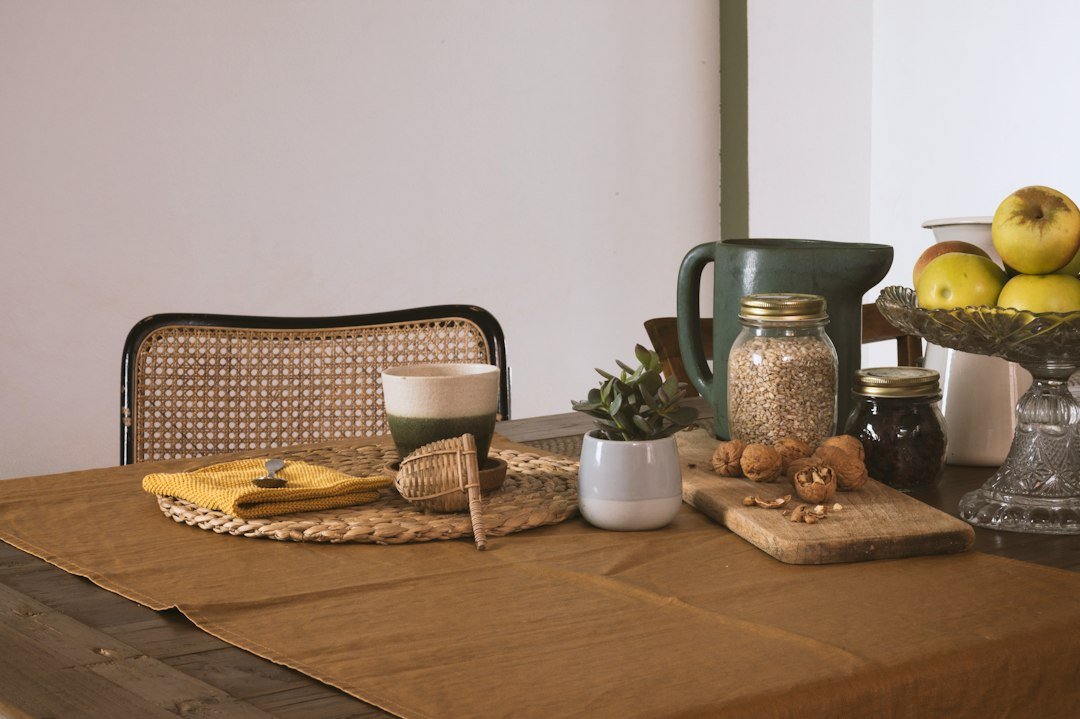
Habits work best when they fit together. Start your morning with a glass of water and a fibre-rich breakfast such as porridge with berries; our breakfast ideas can help. Keep a water bottle nearby through the day, add vegetables to lunch and dinner, and swap one refined snack for fruit. Take a 15 to 20 minute walk after a meal, and break up long periods of sitting; see our tips for staying healthy when sitting for long hours. Finally, choose a regular time for the toilet, ideally after a meal when the gut is naturally more active, and never rush.
Do you really need to go every day?
A common worry is that you must go daily to be healthy. In fact, the NHS uses fewer than three times a week as the benchmark for constipation, and what matters most is what is normal for you. If your habits have always been regular and then change, or if going becomes painful, that is the moment to pay attention. Comparing yourself with other people is rarely helpful, and chasing a daily routine with laxatives can do more harm than good.
Pregnancy, older age and other situations
Some people are more likely to become constipated. During pregnancy and after birth, hormonal changes slow the gut, and the NHS notes that the diet and fluid steps above are considered safe. Pregnant women should ask a pharmacist before taking any laxative. Over the age of 65, constipation is more common, and the NHS points out that in older people, or people with dementia or a learning disability, confusion or a change in behaviour may be a sign of pain from constipation. If you are caring for someone, watch for those changes and ask for medical advice. Children can also become constipated, and they should be seen by a GP rather than treated with adult advice.
Laxatives: what to know
If diet and lifestyle changes are not enough, speak to a pharmacist, who can recommend a suitable laxative. The NHS says most laxatives work within three days and should only be used for a short time. Do not stop a prescribed medicine yourself; talk to your GP first. If constipation continues, a doctor may prescribe stronger laxatives or other treatments, such as a suppository or mini enema.

When to see a doctor
Most constipation is temporary, but do not ignore these signs. The NHS and Mayo Clinic advise seeing a doctor if:
- Constipation is not improving with treatment, or it keeps coming back. Mayo Clinic says to book an appointment if it lasts longer than three weeks.
- You see blood on toilet tissue or in your stool, or your stools are black.
- You have lost weight without trying.
- You have stomach pain that does not go away, or you are regularly bloated.
- You notice a sudden change in your bowel habits, or unusual changes in stool shape or colour.
- You are constipated and tired all the time. Our guide to causes of fatigue explains why that combination deserves a check-up.
Long-term constipation can lead to complications. Mayo Clinic lists haemorrhoids, small tears in the anus (anal fissures), hard stool building up in the bowel (faecal impaction) and, rarely, rectal prolapse. The NHS adds that a sign of impaction can be watery stool leaking around the hard stool; do not try to remove stool yourself, and see a healthcare professional.
The bottom line
Constipation is common, uncomfortable and usually easy to improve. Eat more fibre, drink enough water, move every day, answer your body’s signals and give new habits a few weeks to work. See a doctor if there is blood in your stool, unexplained weight loss, ongoing pain, a sudden change in your bowel habits, or constipation that will not budge after a few weeks of effort.
This article is for general information and is not medical advice. Please read our Medical Disclaimer and talk to a qualified professional about your own symptoms and treatment.